1986 Porsche 911 Turbo 'Flachbau'

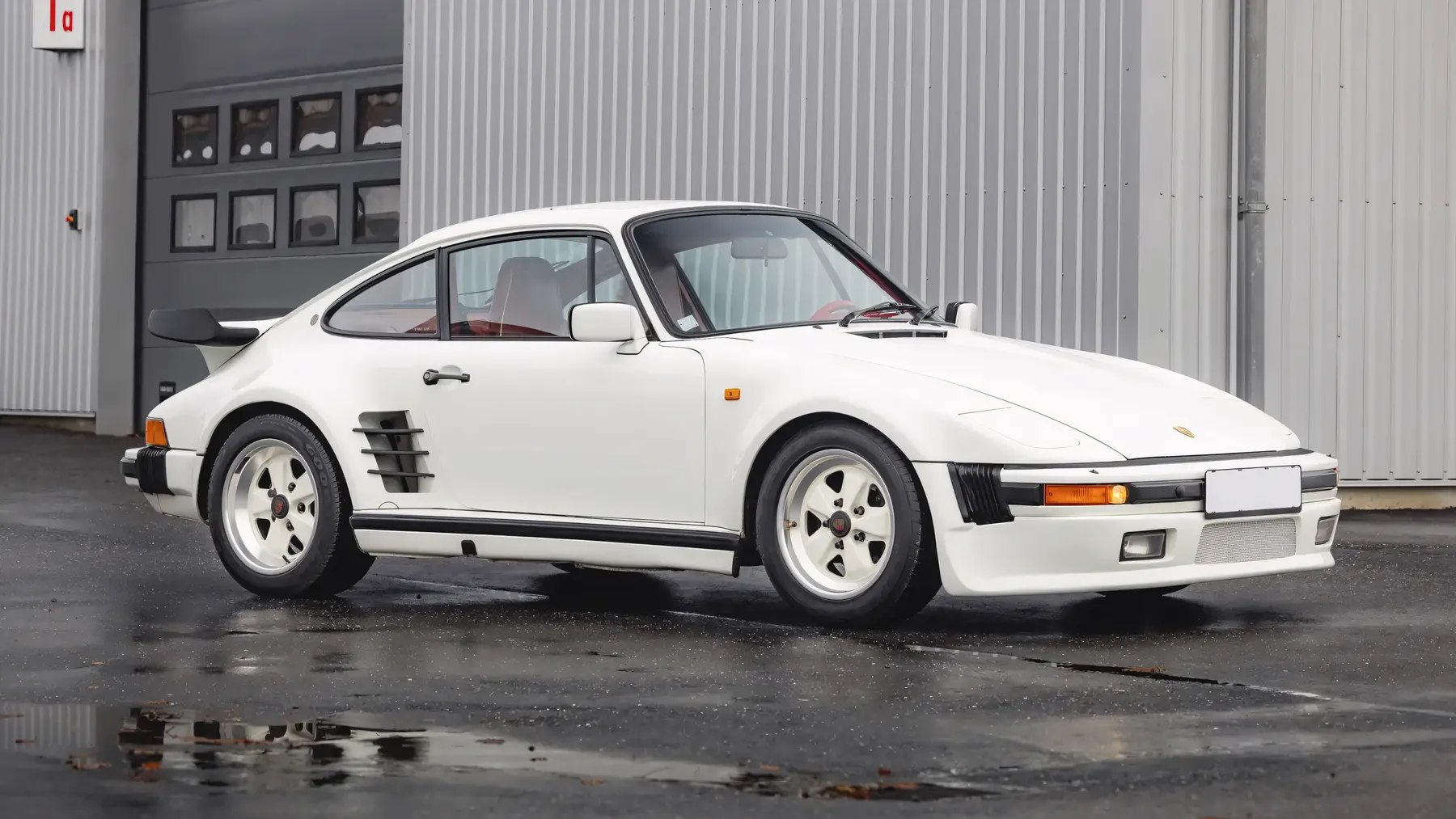
In the world of performance cars, the Porsche 911 has always held a special place. Since its debut in 1964, the 911 has been synonymous with high-performance engineering, rear-mounted flat-six engines, and a distinctive silhouette. While the 911 itself has seen countless iterations, one version stands out for its audacious design and racing pedigree: the Porsche 911 Turbo ‘Flachbau,’ or “Slantnose.”
The story of the Slant Nose begins with the Porsche 930, a turbocharged variant of the 911 produced between 1975 and 1989. At the time of its introduction, the 930 was Porsche’s flagship model, boasting the title of the fastest production car in Germany. With its 3.0-liter flat-six engine and aggressive turbocharged power delivery, the 930 established itself as a force to be reckoned with on both the road and track.
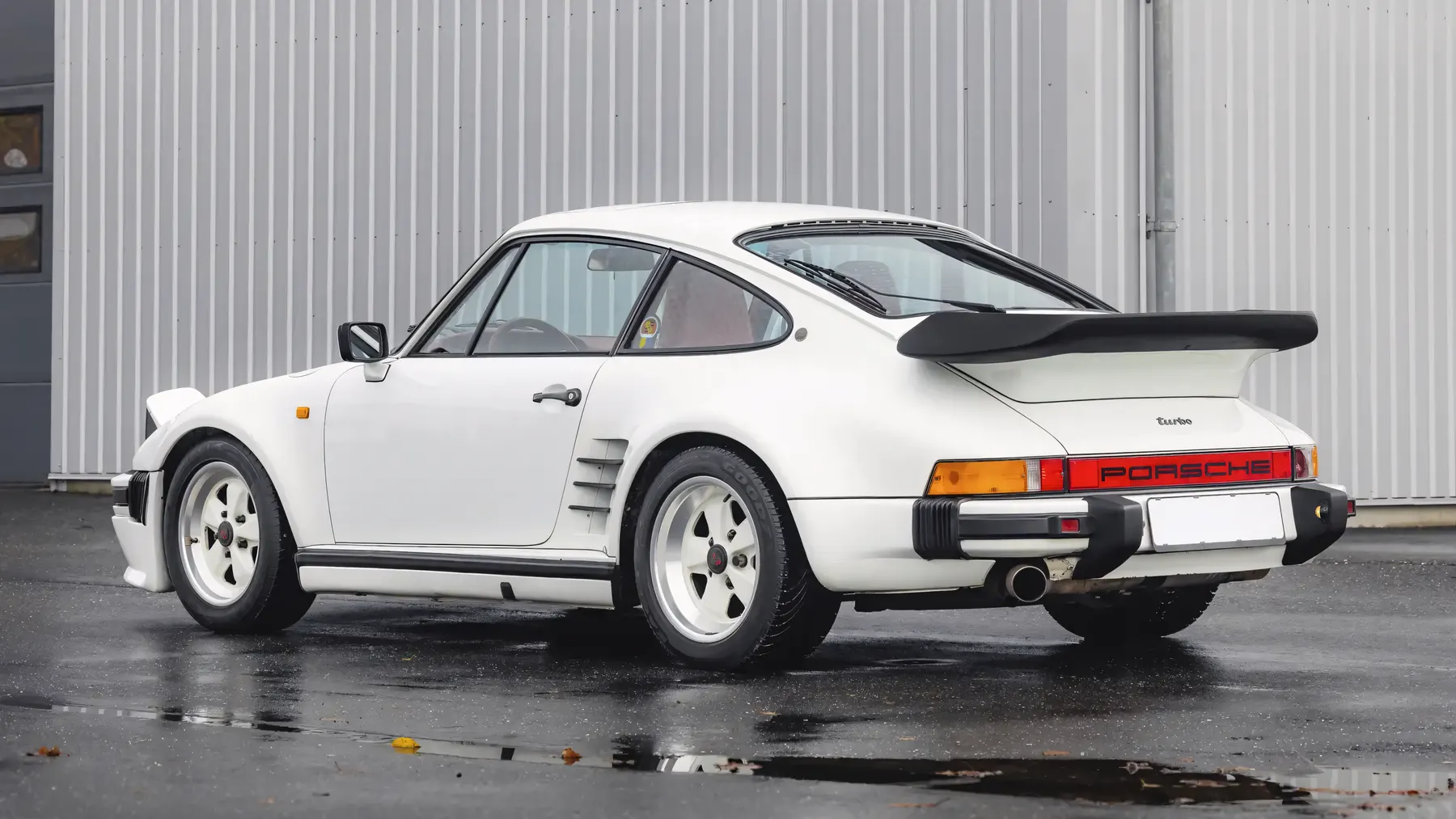
Yet, Porsche’s racing ambitions would take the 930 to even greater heights, drawing inspiration from the brand’s successful racing programs, particularly the iconic Porsche 935.
Porsche’s 935 race car, with its unmistakable slant-nose design, dominated racetracks in the late 1970s, claiming victories at prestigious events like Le Mans. Its low, wide stance and sloped front end made it instantly recognizable and a favourite among motorsport enthusiasts. It wasn’t long before some daring 930 owners sought to mimic the 935’s aggressive look on their road cars.
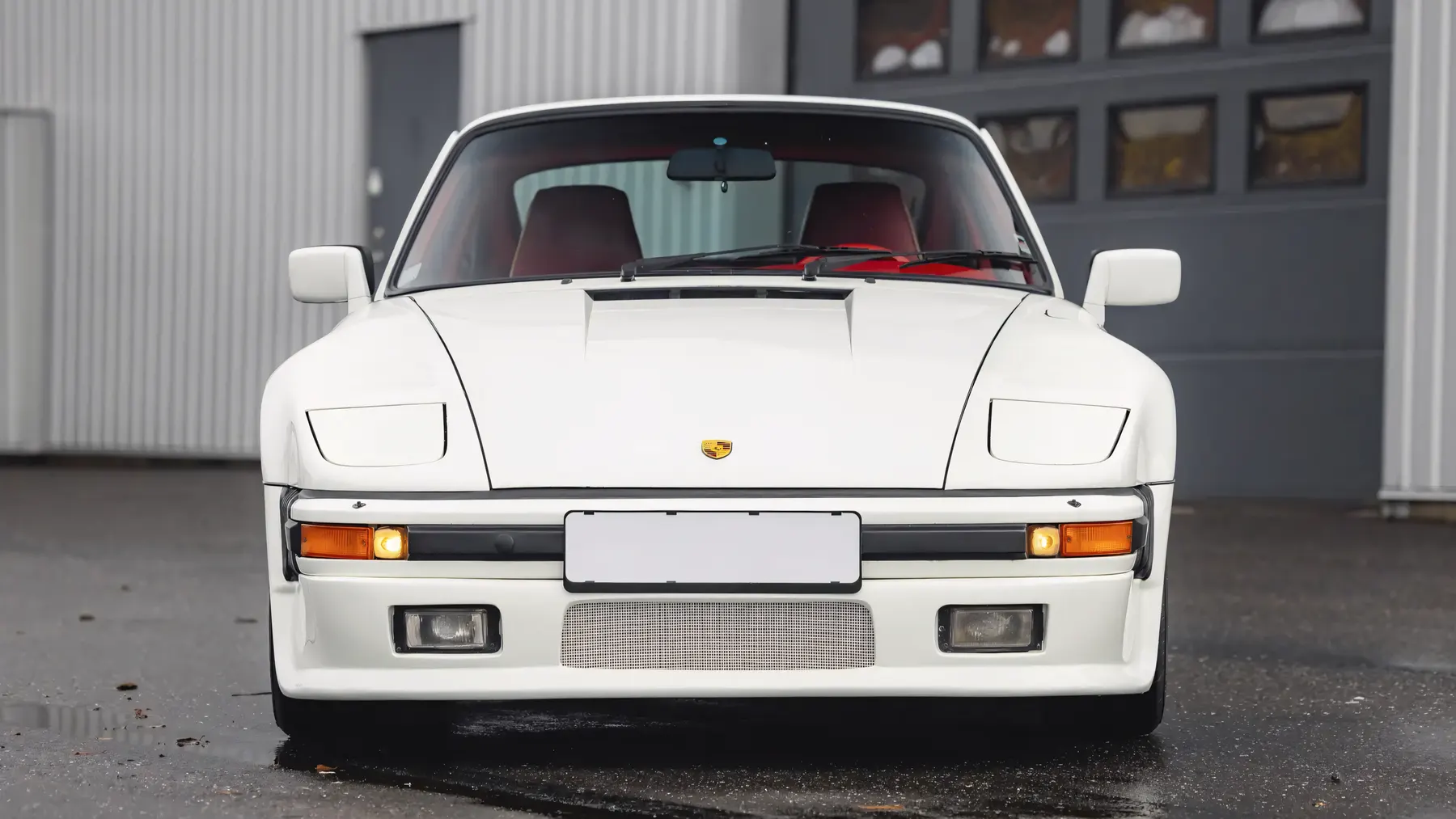
Enter Kremer Racing, an aftermarket tuner, which began offering conversion kits to give the 930 Turbo a front end reminiscent of the 935. But Porsche soon realised that the demand for these “Slantnose” conversions was more than just a passing trend.
By 1986, Porsche officially launched the Flachbau as part of its Sonderwunschprogramm, or “special request program.” Each Flachbau model was handcrafted, featuring custom-built front fenders, pop-up headlights in place of the 911’s signature round “bug eyes,” and a sleek, aerodynamic profile that closely resembled the 935 racer. The result? A highly individualised, road-legal supercar that merged track-inspired design with the luxury and power of the 930.
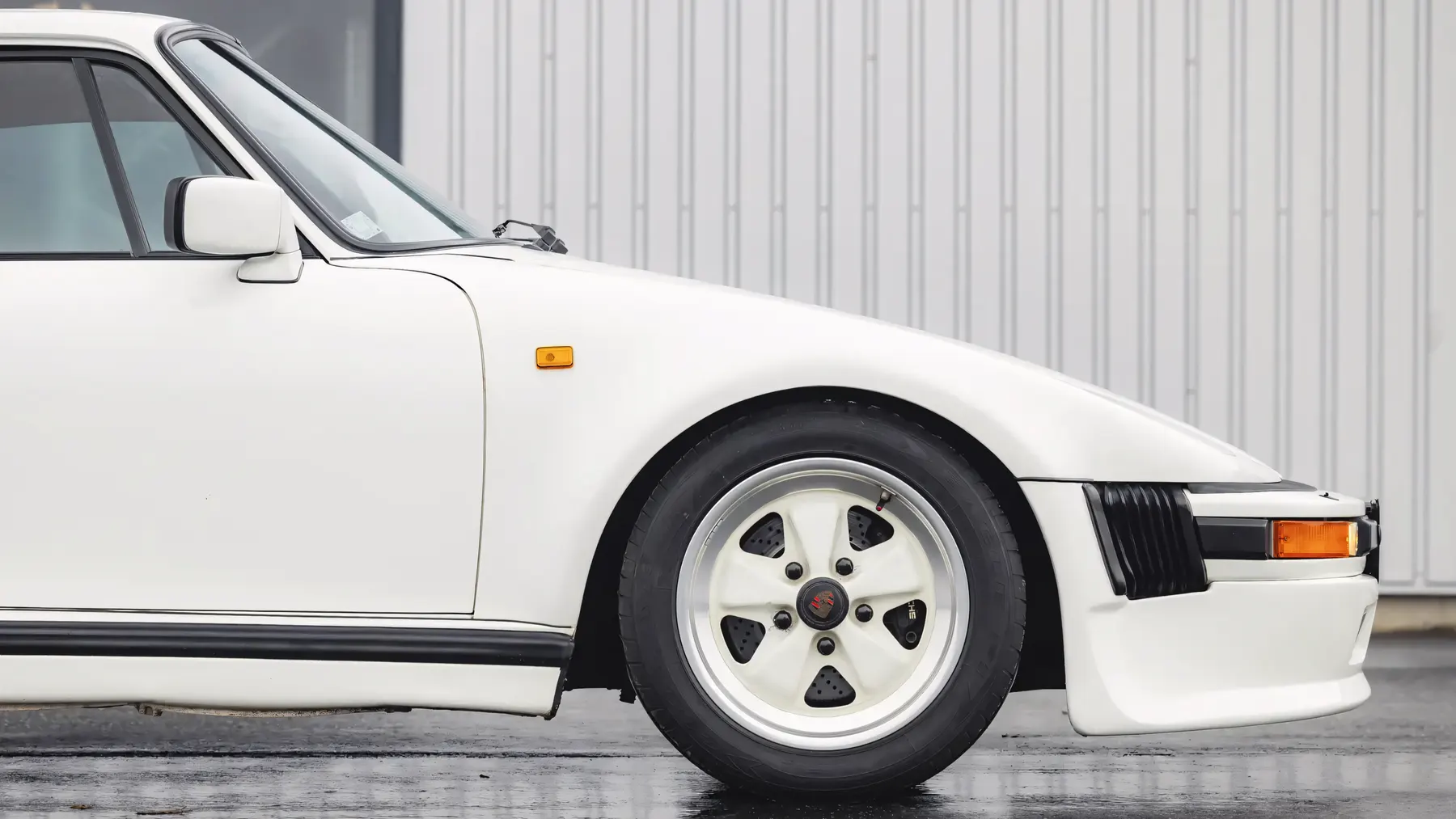
Beyond its striking appearance, the 911 Turbo Flachbau packed a serious punch under the hood. Powered by a turbocharged 3.3-liter flat-six engine, European models often came equipped with the WLS performance kit, pushing output to a thrilling 330 PS (325 hp). This allowed the Slantnose to sprint from 0 to 60 mph in under five seconds and reach a top speed of 173 mph,remarkable figures for the era.
The aerodynamic enhancements of the sloped front end weren’t just for show; they helped reduce drag, giving the car an edge on straight-line speed and stability at high velocities. Coupled with Porsche’s race-bred suspension and braking systems, the Flachbau was as much about performance as it was about style.
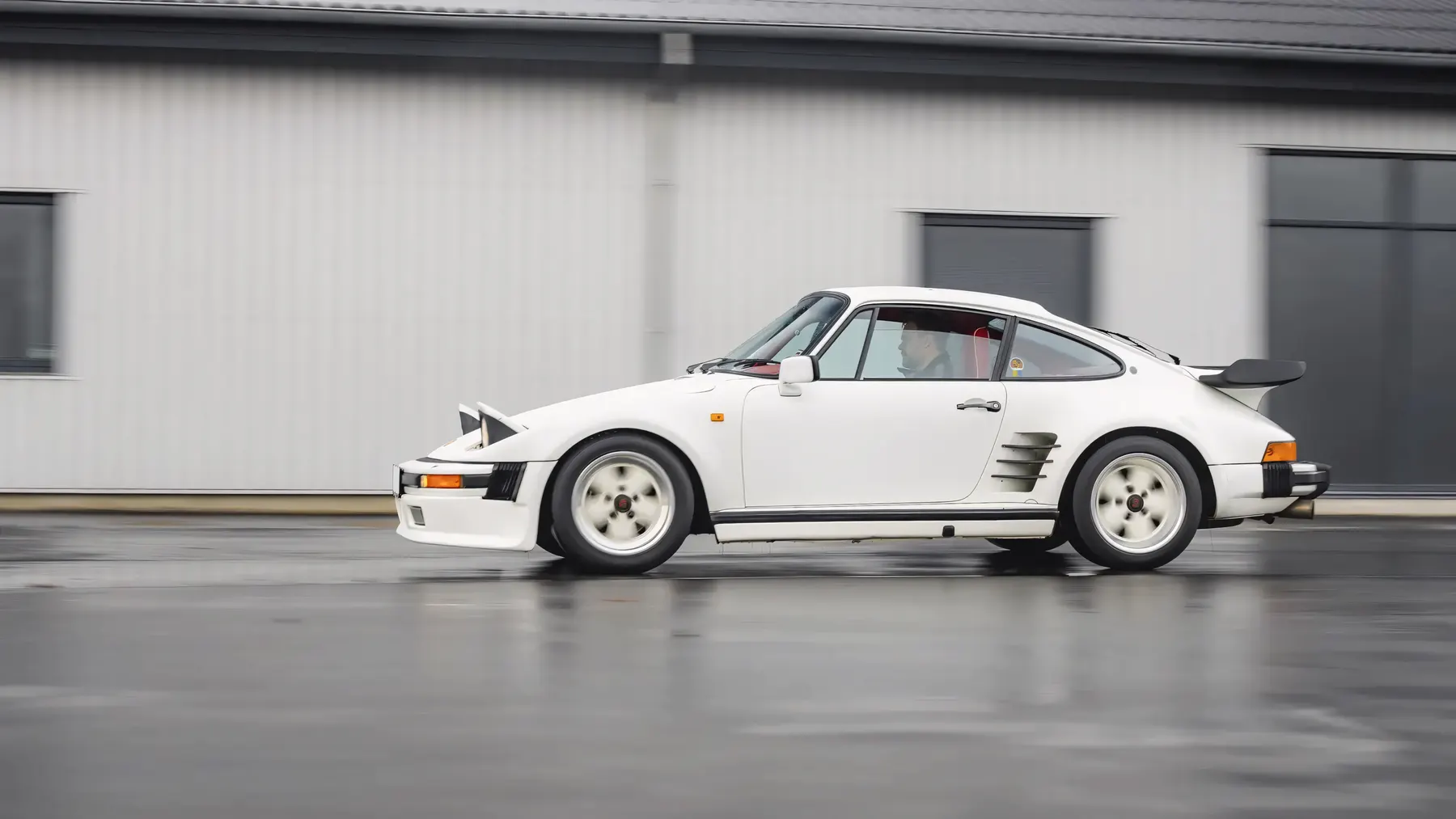
The Slantnose wasn’t just rare; it was expensive. Commanding up to a 60% premium over the standard 911 Turbo, each Flachbau was meticulously crafted, making it a true collector’s piece. Only 948 units were produced globally, with just 160 imported to the U.S., adding to its allure among Porsche aficionados.
The Porsche 911 Turbo Flachbau remains a symbol of boldness in both design and performance. It’s a car that broke away from tradition, pushing the boundaries of what a 911 could be, and in doing so, it captured the hearts of those who wanted something more than just speed,a statement.
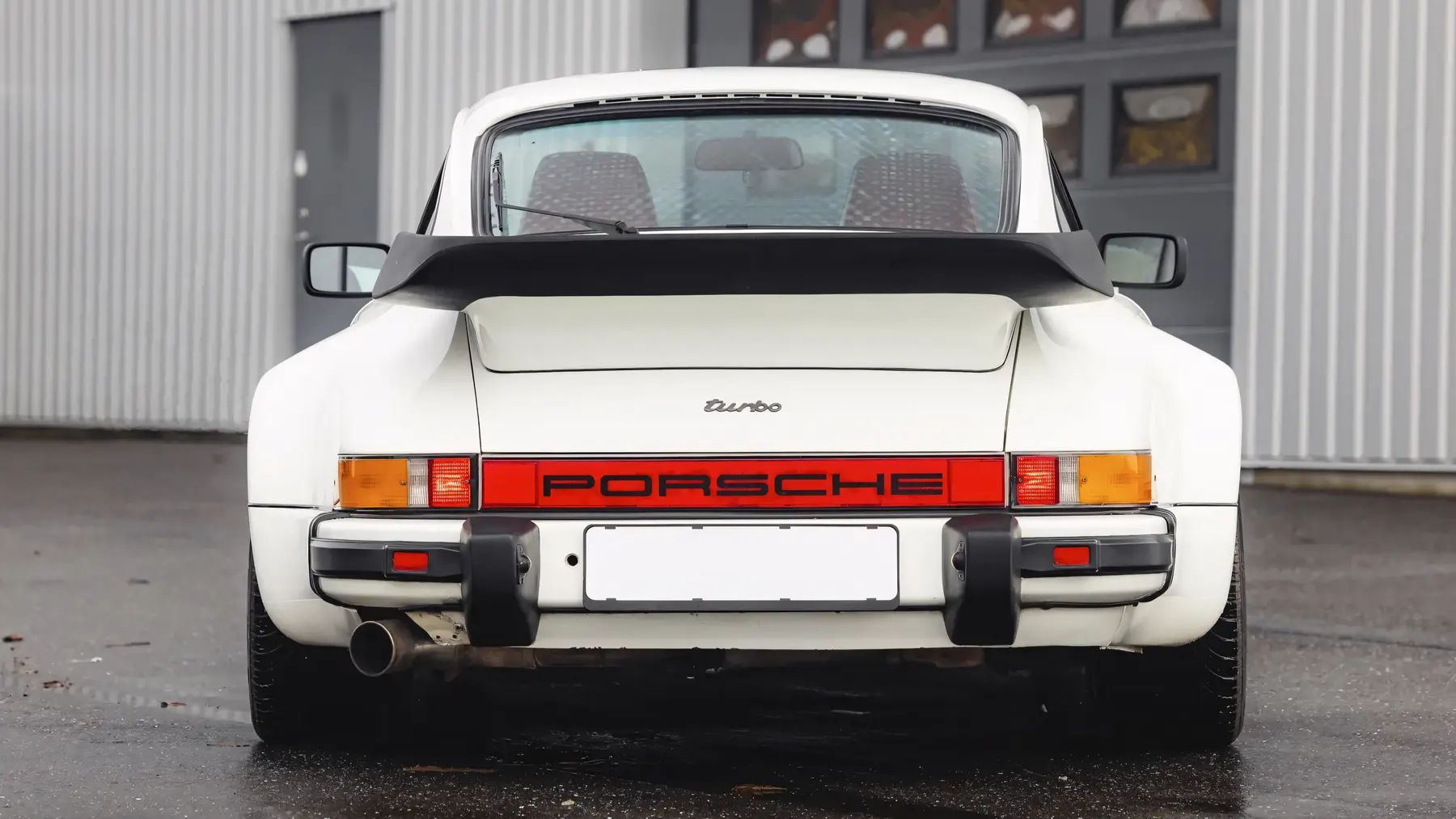
In a world where many high-performance cars adhere to formulaic designs, the Flachbau stands as a reminder of an era when Porsche dared to experiment, blending the world of motorsports with everyday driving. For those lucky enough to own one, it’s a piece of Porsche’s racing soul.
Join the discussion
Comments
Loading comments…
Leave a comment
Share a detail, memory, or perspective. Every comment is reviewed before publication.