1991 Jaguar XJR-15

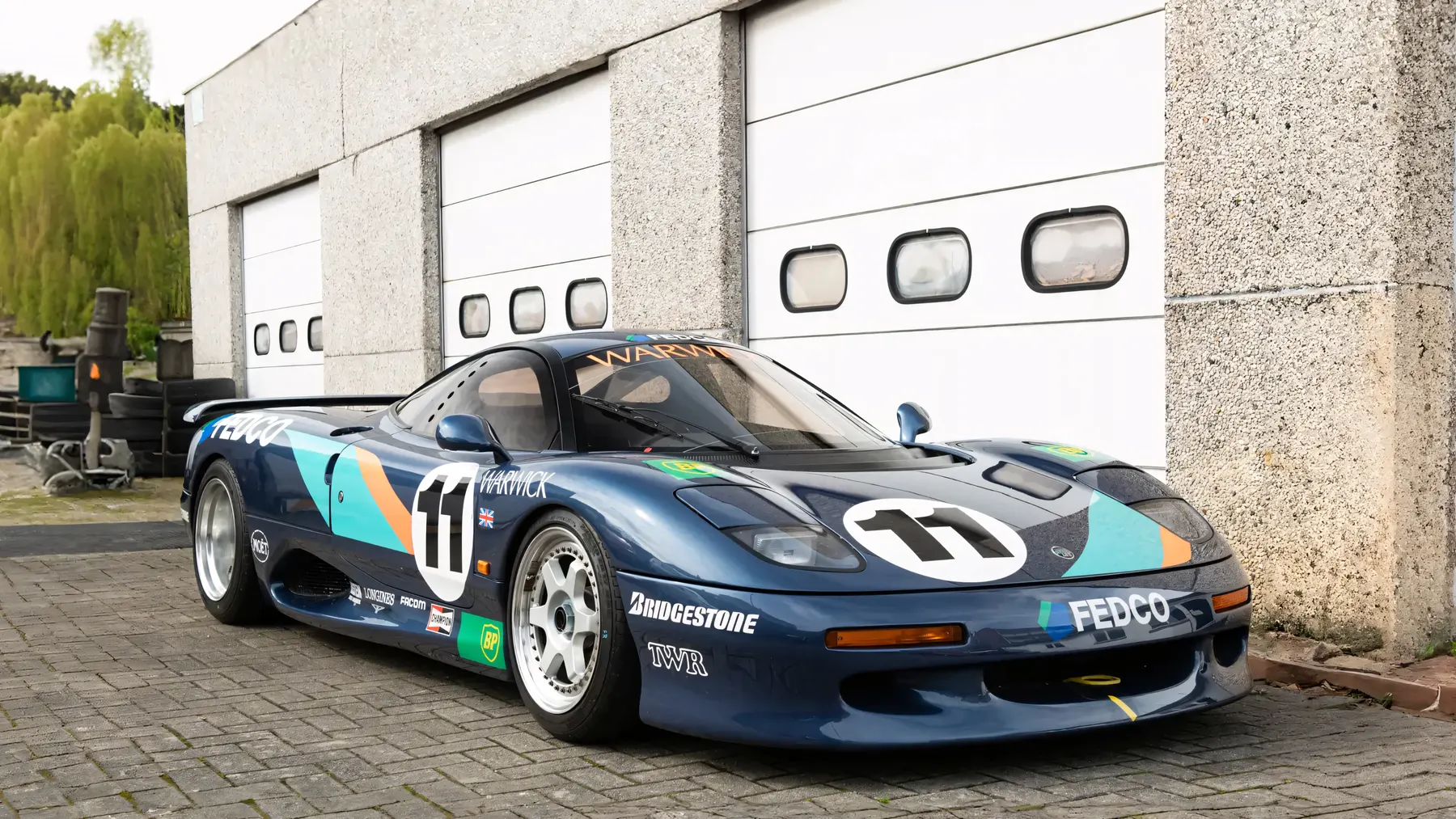
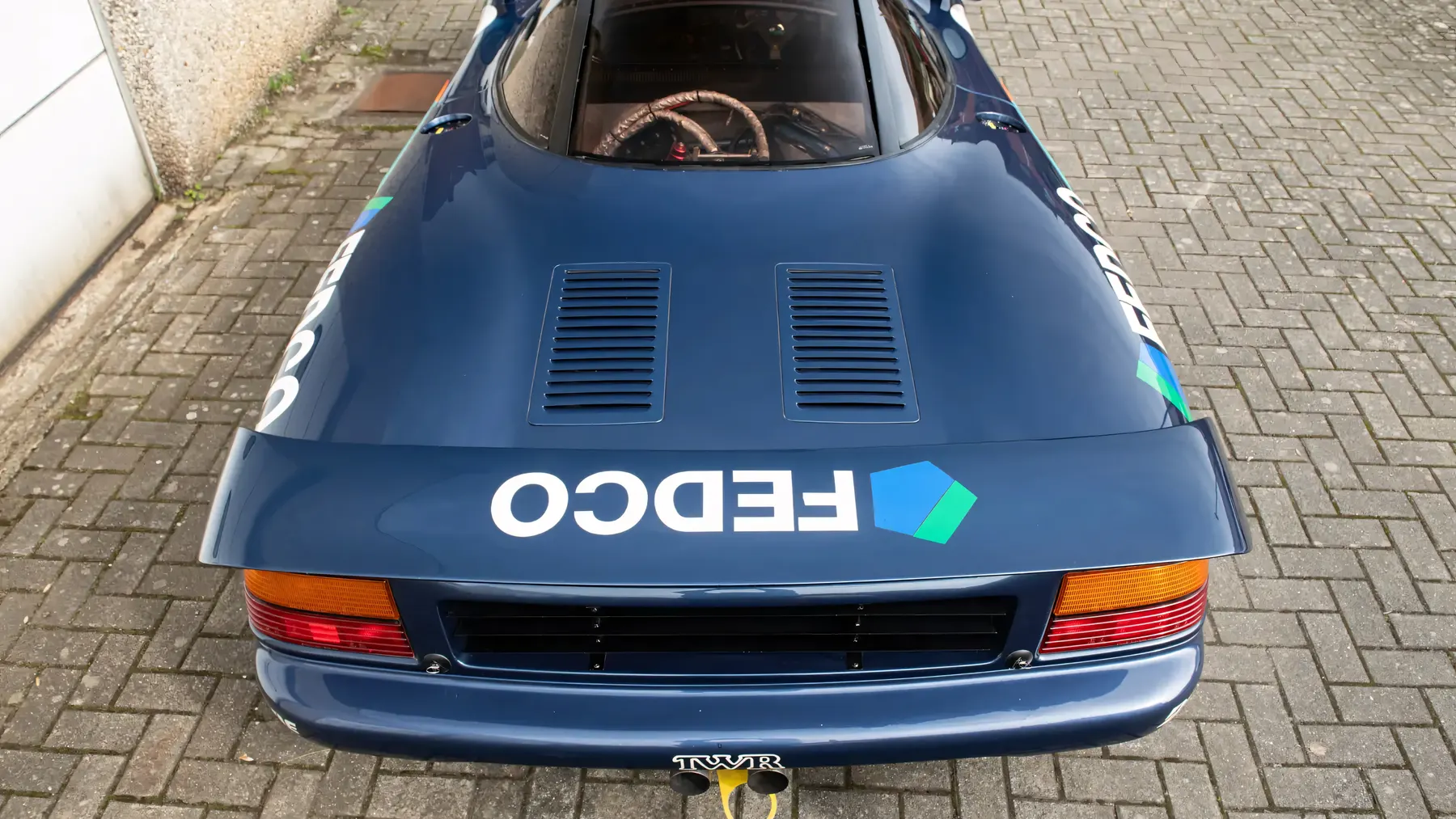
When the Jaguar XJR-15 thundered onto the scene in 1990, it wasn’t merely a car,it was a declaration. Born from the ashes of Le Mans glory and forged in the crucible of motorsport ambition, this limited-production marvel redefined what a road-legal machine could achieve. Conceived by Tom Walkinshaw Racing (TWR) as both a celebration of Jaguar’s endurance racing success and a middle finger to convention, the XJR-15 blended Group C prototype DNA with street-legal practicality in ways that still resonate through automotive history.
The XJR-15’s genesis traces directly to Jaguar’s 1988 Le Mans victory with the XJR-9. TWR founder Tom Walkinshaw, witnessing the XJ220 concept’s lukewarm reception, envisioned something more extreme,a road car capturing the XJR-9’s raw essence. Designer Peter Stevens, later famed for the McLaren F1, sculpted its form, retaining the race car’s proportions while adding 75mm of cockpit width and gullwing doors for accessibility. The monocoque,crafted from carbon fiber and Kevlar,predated the McLaren F1’s similar construction by two years, making the XJR-15 the world’s first full-composite production car.
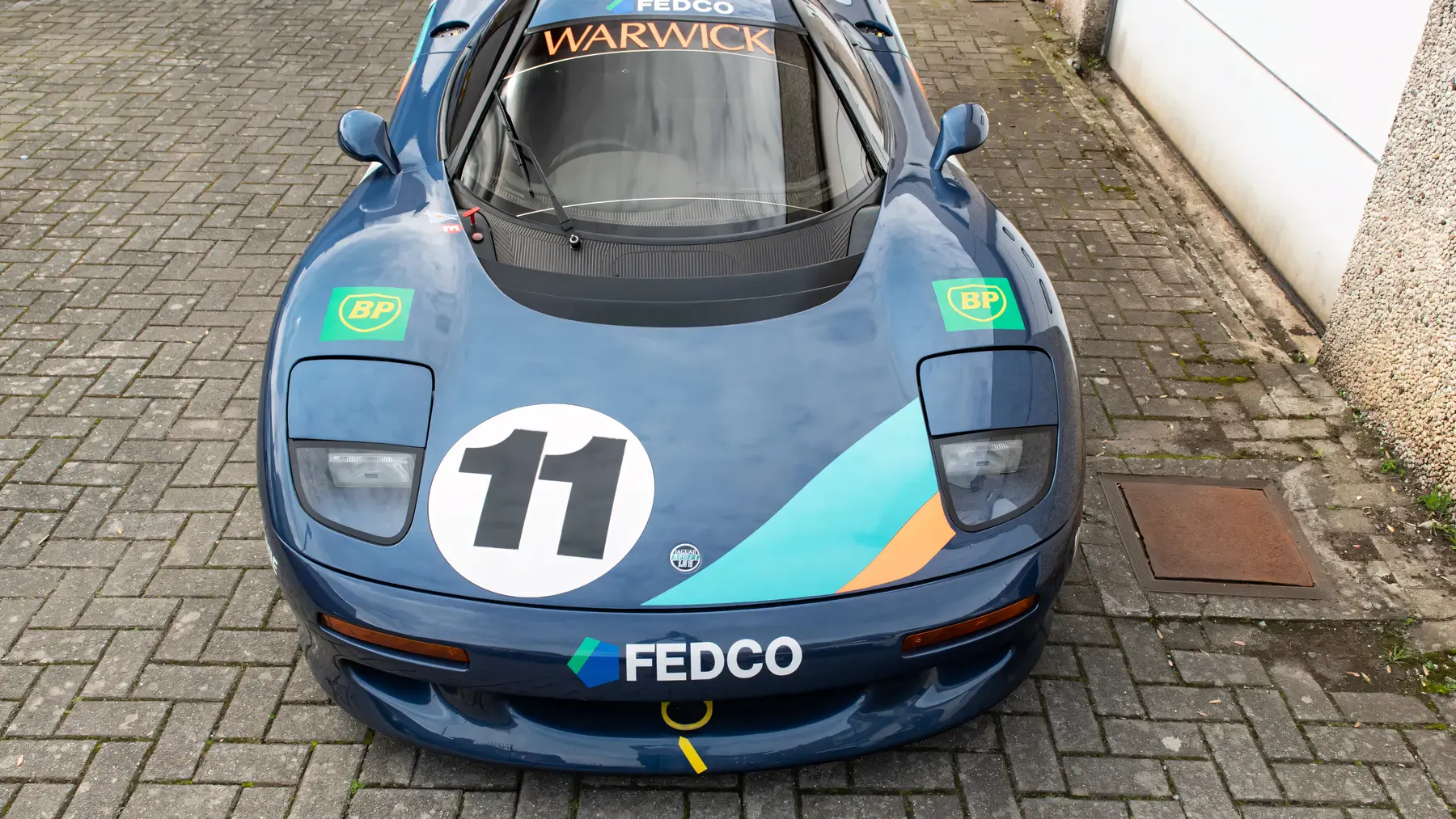
At its core lay Jaguar’s legendary 6.0-liter V12, detuned from race-spec 750 hp to a “manageable” 450 hp. This naturally aspirated powerhouse featured forged Cosworth pistons, a nitrided steel crankshaft, and Zytek electronic injection,exotic tech for 1990. Mated to a TWR six-speed manual transmission (optionally synchronized), it propelled the 1,050 kg coupe to 60 mph in 3.2 seconds, with a gearing-limited top speed of 191 mph.
The suspension mirrored its racing forebear: double wishbones with horizontally mounted Bilstein dampers up front, vertical coilovers at the rear. Ground-effect aerodynamics,including a flat underbody and rear diffuser,generated 600 kg of downforce at speed. Yet for all its track focus, journalists noted surprising road manners. The unassisted steering provided telepathic feedback, while the cabin (though devoid of storage or sound insulation) offered ergonomic purity, its carbon-fiber surfaces gleaming like blackened honeycomb.
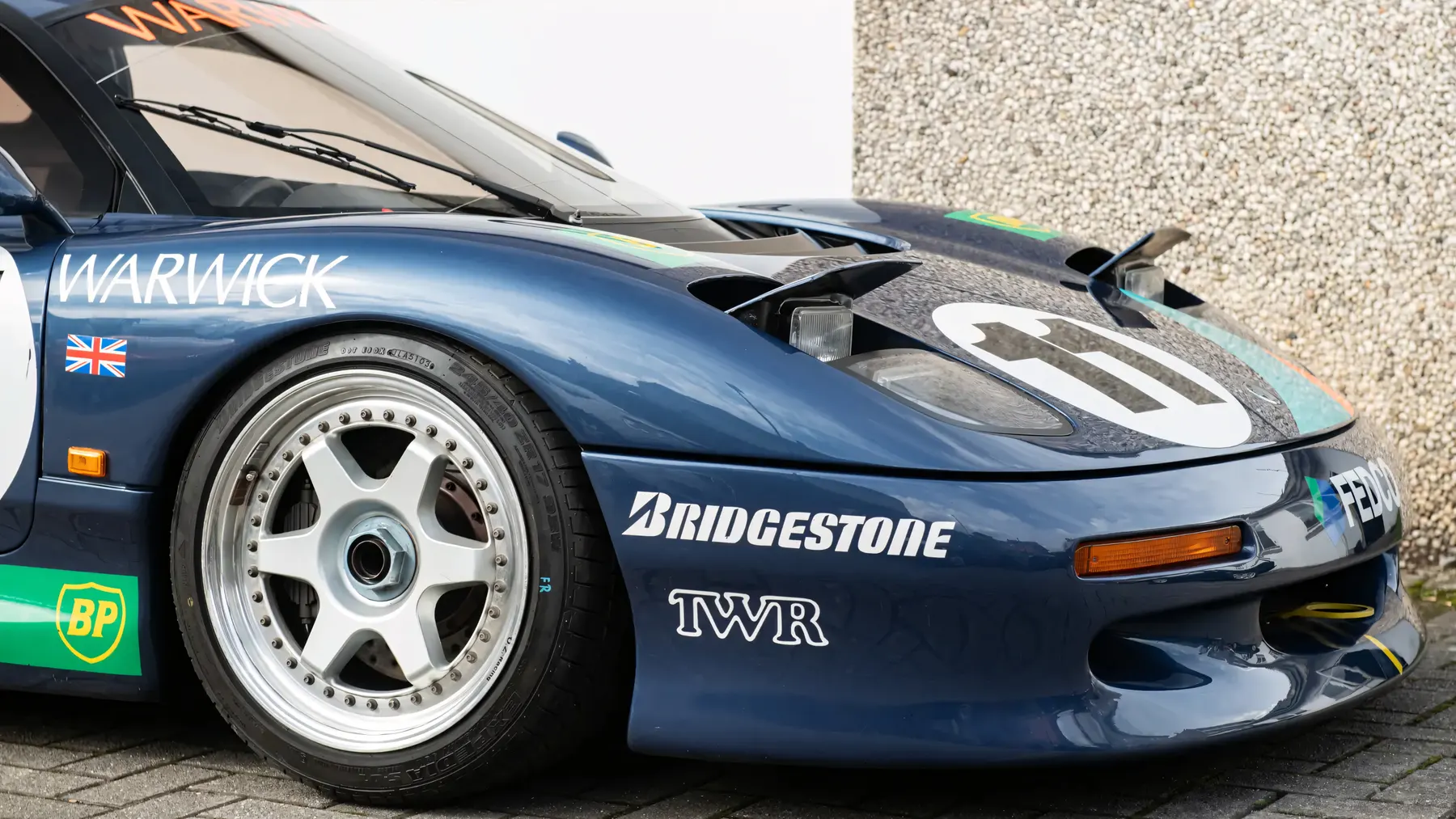
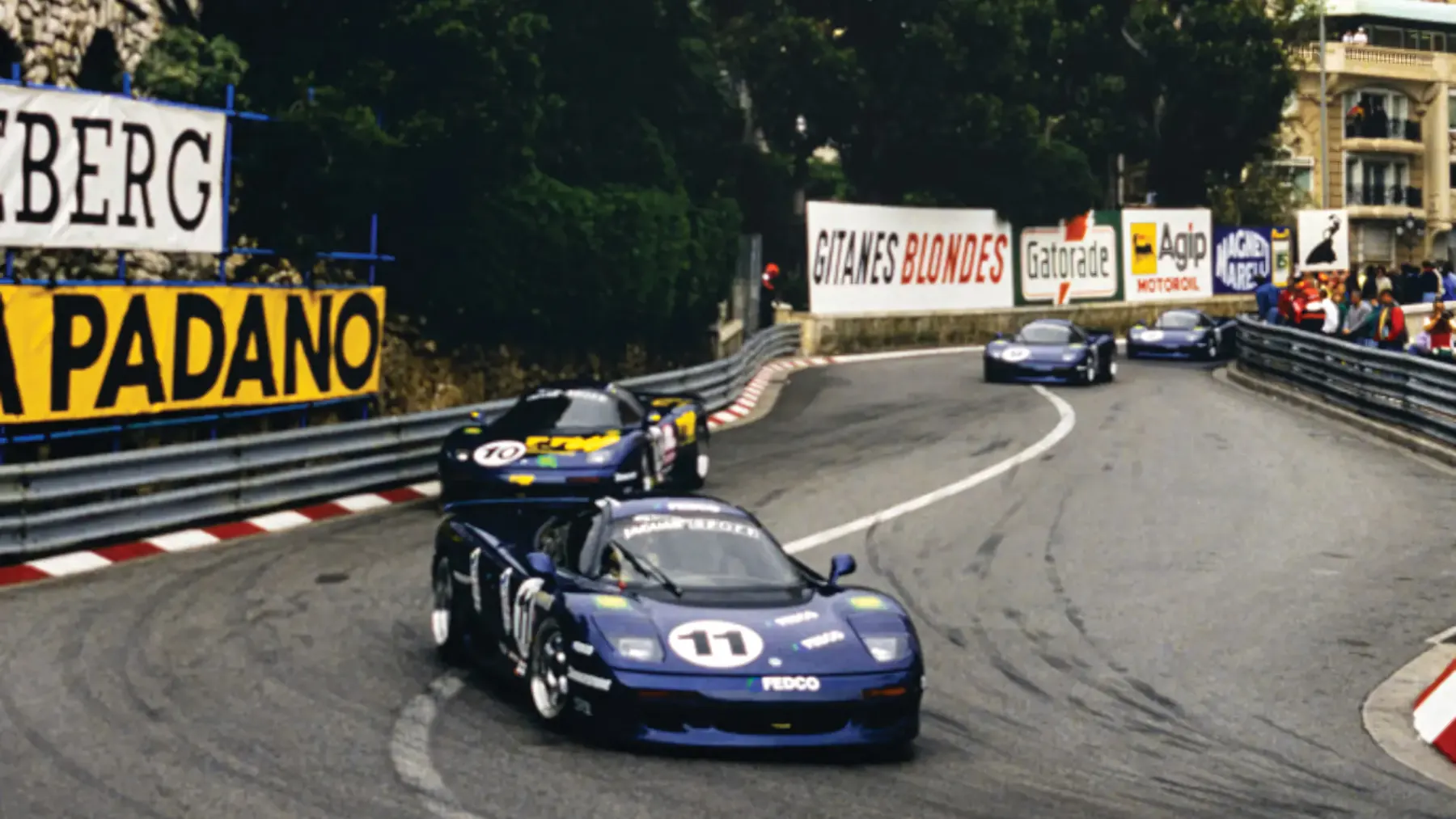
JaguarSport’s 1991 Intercontinental Challenge transformed the XJR-15 from curiosity to legend. Sixteen examples, piloted by racing royalty like Derek Warwick and Bob Wollek, battled through Monaco, Silverstone, and Spa-Francorchamps as Formula 1 support acts. The finale’s $1 million prize,claimed by Armin Hahne at Spa,showcased the car’s duality: brutal enough for wheel-to-wheel combat, yet durable enough to survive three races with minimal attrition.
Ownership demanded compromise. Entering required acrobatics over wide sills, the passenger sat inches from the driver, and luggage space didn’t exist. Yet testers praised its usability: the V12 idled smoothly, the clutch proved surprisingly light, and the suspension absorbed bumps better than many contemporary supercars. “It’s the best-handling street car you can imagine,” wrote Motor Trend’s Ron Grable, marveling at its balance between race-ready edge and grand tourer composure.
Though overshadowed by the McLaren F1, the XJR-15’s influence permeates modern hypercars. Its carbon construction became industry standard, while its track-day series blueprint inspired programs like Ferrari’s Challenge Stradale. Today, survivors,many retaining period racing liveries,command seven-figure sums, their values buoyed by eligibility for historic Group C events.
The XJR-15 remains a time capsule of motorsport’s analog zenith,a machine where driver skill, not software, dictated success. For those who’ve wrestled its unassisted steering through Monaco’s tunnel or felt its V12 shake the earth at full chat, it represents the purest expression of Jaguar’s racing soul: untamed, uncompromising, and utterly unforgettable.
Join the discussion
Comments
Loading comments…
Leave a comment
Share a detail, memory, or perspective. Every comment is reviewed before publication.