1992 Jaguar XJR-S

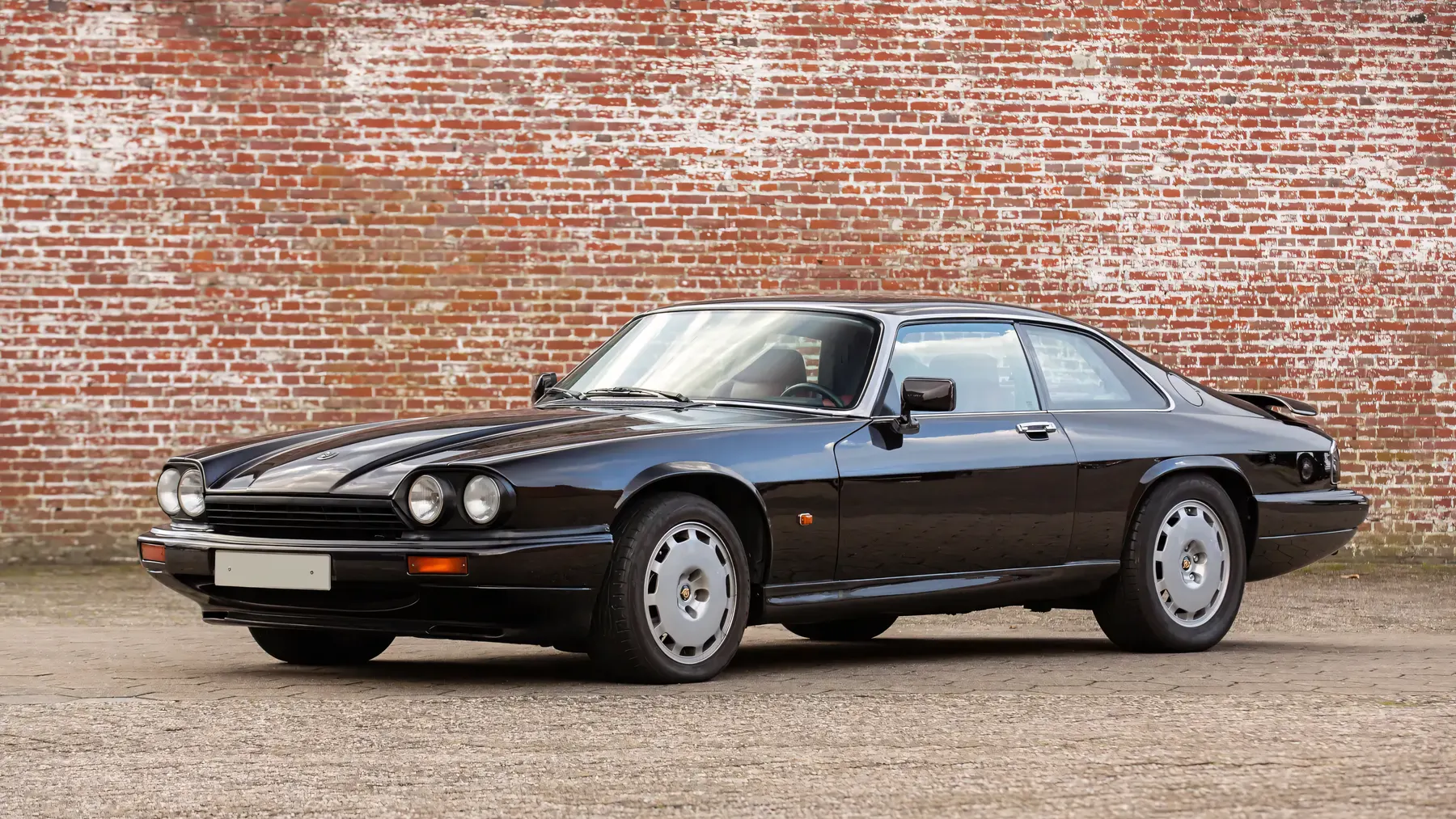
The Jaguar XJR-S stands out as a remarkable fusion of luxury and performance within the storied lineage of the Jaguar XJ-S (later known as XJS). Produced between 1988 and 1993, the XJR-S represents a high-performance iteration of Jaguar’s iconic grand tourer, showcasing the brand’s commitment to elegance without sacrificing power.
The Jaguar XJ-S debuted in 1975, initially utilising the platform of the XJ saloon. With its striking design, characterised by prominent rear buttresses and a sleek silhouette, the XJ-S became a symbol of luxury motoring. British aerodynamicist Malcolm Sayer was instrumental in its initial styling, applying advanced aerodynamic principles that would shape the car’s performance. Over its production span of 21 years, the XJ-S evolved through three distinct iterations, with a total of 115,413 units produced.
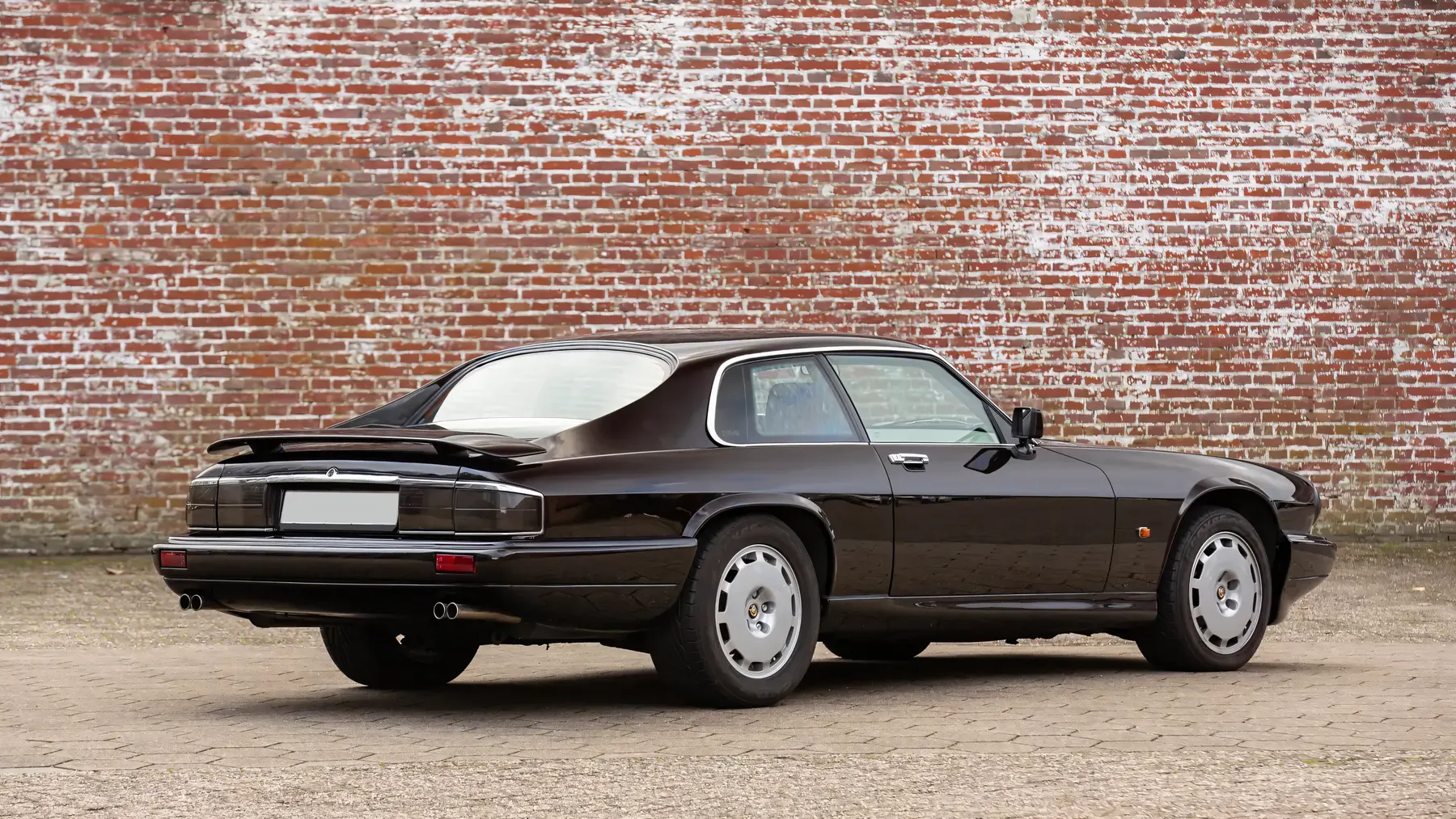
The final facelift of the XJ-S occurred in 1991 under Ford’s ownership, which introduced numerous refinements. The hyphen in the name was dropped, and the model featured updated styling, including enlarged rear windows, flush-fitting windscreens, and improved aerodynamic bumpers. This iteration also saw advancements in engine technology and performance, including the introduction of a 4.0-litre straight-six engine and an upgraded 6.0-litre V12.
From 1988 to 1993, JaguarSport,an ambitious collaboration between Jaguar and the TWR Group,developed the XJR-S, a special high-performance version of the XJ-S. The XJR-S was equipped with a 5.3-litre HE V12 engine, producing an impressive 318 hp (237 kW). Its distinct body kit, 15-inch alloy wheels, and specialised suspension system set it apart from the standard models, emphasising its performance credentials.
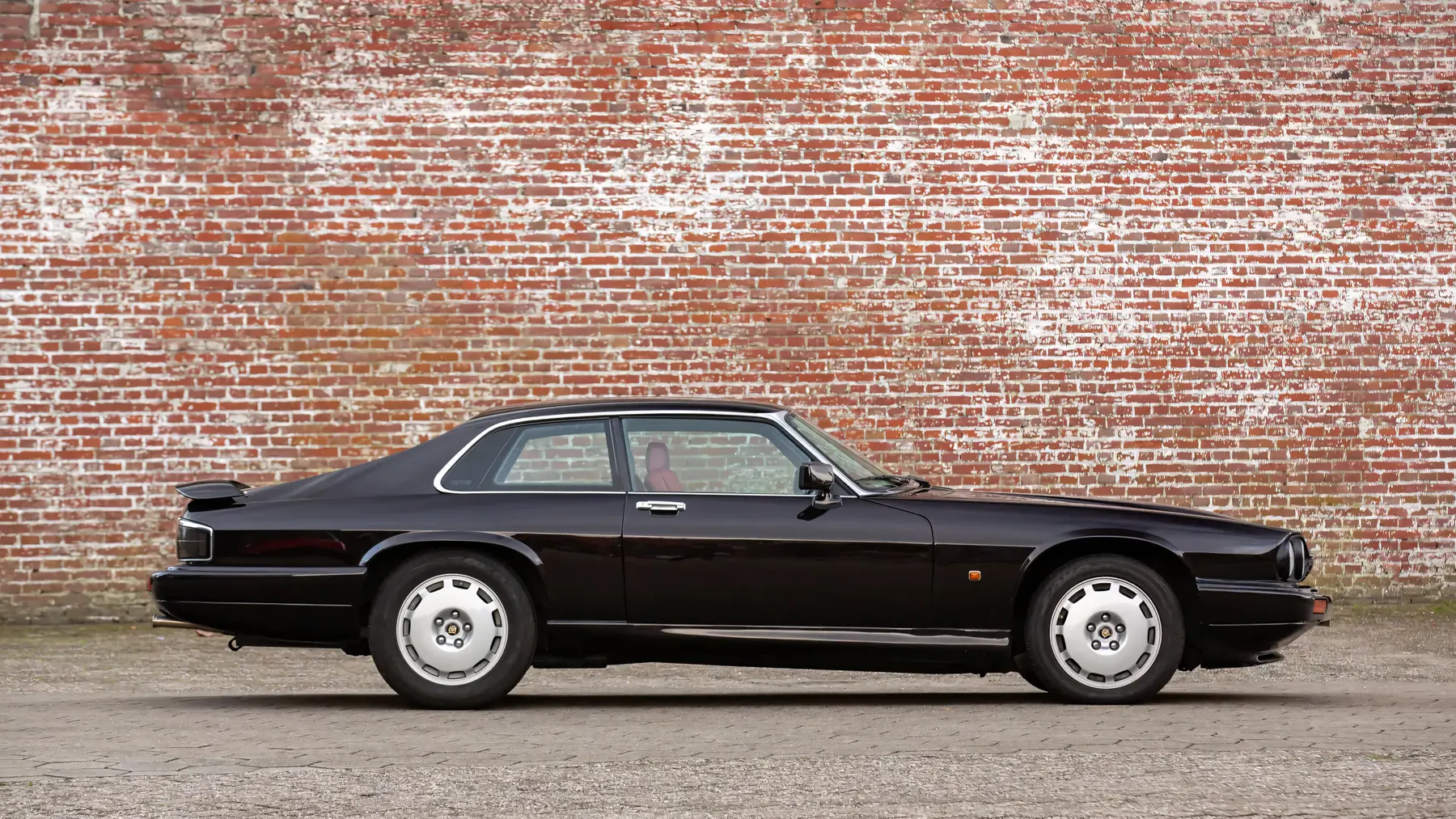
The first 100 units were dubbed “Celebration Le Mans,” commemorating Jaguar’s triumph at the 1988 24 Hours of Le Mans. This limited run, exclusively available in the UK, showcased Jaguar’s racing heritage. In total, 326 XJR-S units were produced with the 5.3-litre engine before the model’s powertrain was upgraded to a 6.0-litre variant in late 1989.
The upgraded 6.0-litre V12 engine in later XJR-S models marked a significant leap in performance. With a power output of 333 PS (328 hp; 245 kW) at 5,250 rpm and a torque rating of 495 N⋅m (365 lb⋅ft) at 3,650 rpm, the XJR-S delivered exhilarating performance. Key modifications included a higher compression ratio, forged steel crankshaft, and enhanced intake and exhaust systems, all contributing to its top speed of 260 km/h (160 mph).
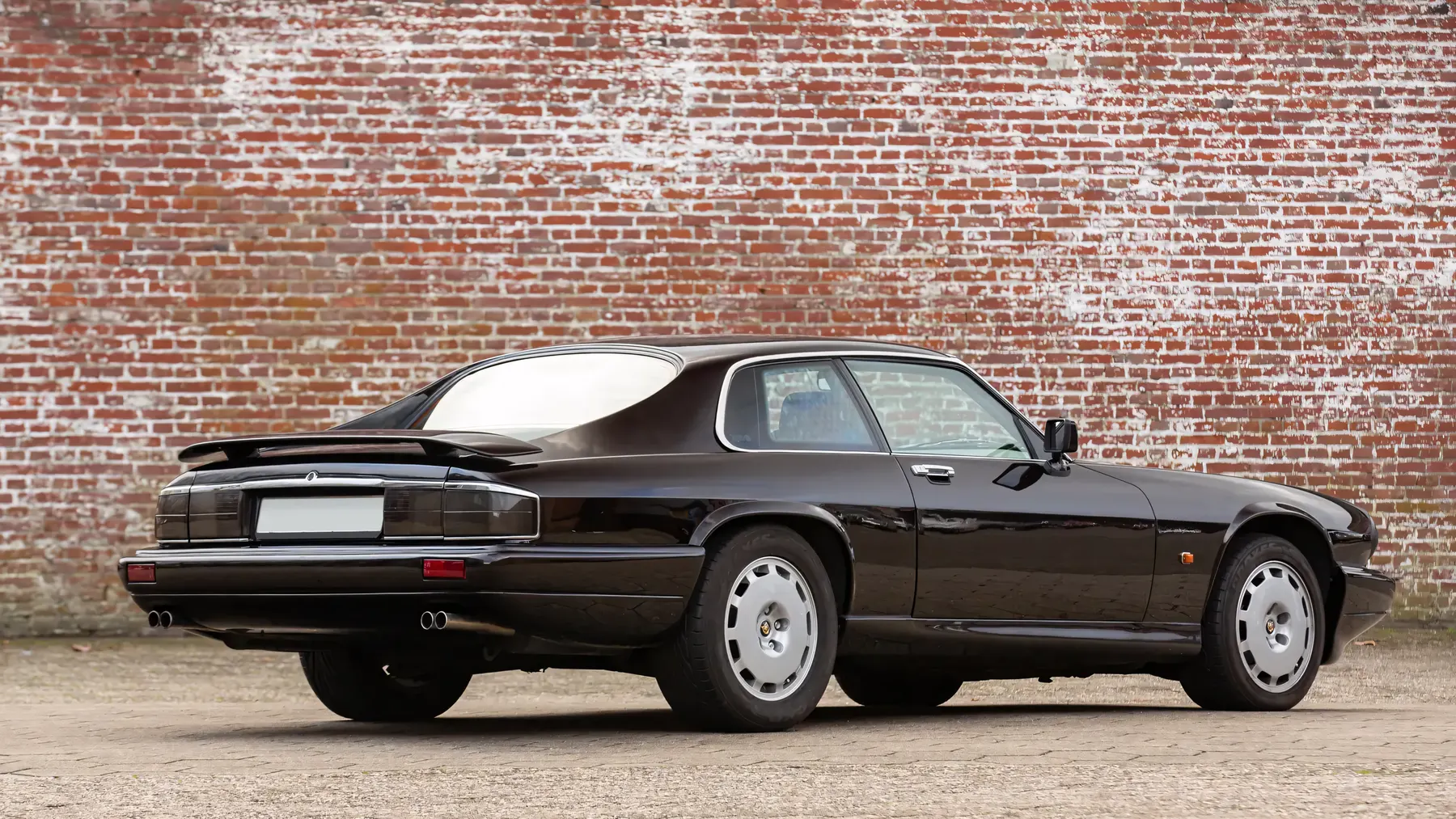
The XJR-S was further distinguished by its recalibrated 3-speed GM400 automatic transmission, allowing for faster shift times. Equipped with 16-inch Dunlop D40 M2 tires, the XJR-S offered exceptional grip and handling, making it a formidable competitor against luxury performance rivals such as the BMW 850i and Mercedes-Benz 600 SEC.
While designed as a grand tourer, the XJR-S found success on the racetrack, thanks to Tom Walkinshaw’s racing expertise. The car showcased its potential in the European Touring Car Championship, enhancing its reputation as a performance-oriented vehicle. The combination of luxurious design and racing pedigree made the XJR-S an enticing choice for enthusiasts seeking both comfort and thrill.
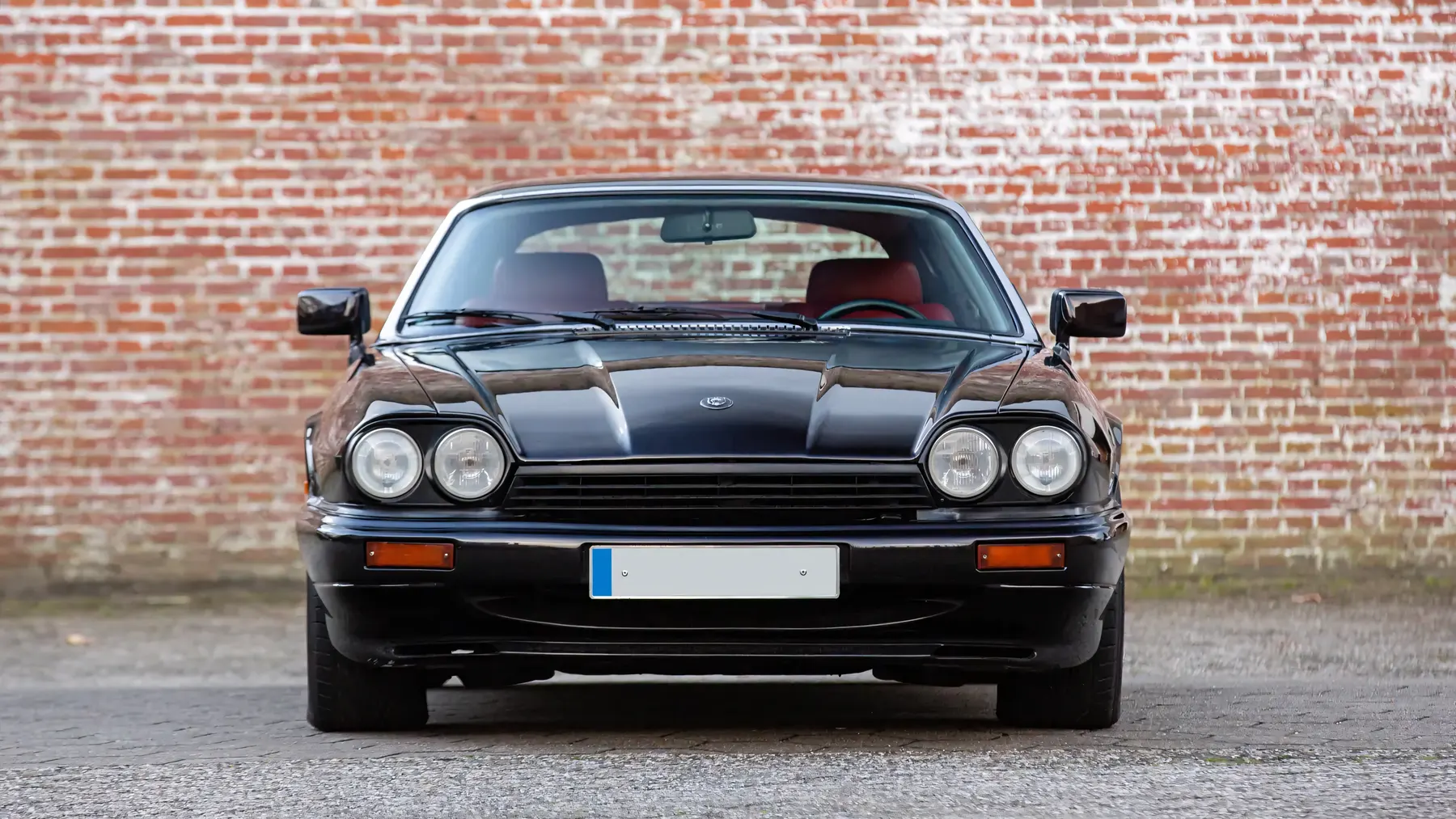
The Jaguar XJR-S is a testament to Jaguar’s engineering excellence and racing heritage. Its unique blend of style, performance, and exclusivity ensures its place as a sought-after classic in the world of high-performance cars. With only 787 coupes and 50 convertibles produced, the XJR-S remains a cherished piece of Jaguar history, embodying the spirit of British motoring at its finest. Whether on the road or the racetrack, the XJR-S delivers a thrilling driving experience that continues to captivate car enthusiasts worldwide.
Join the discussion
Comments
Loading comments…
Leave a comment
Share a detail, memory, or perspective. Every comment is reviewed before publication.