1993 Jaguar XJ220

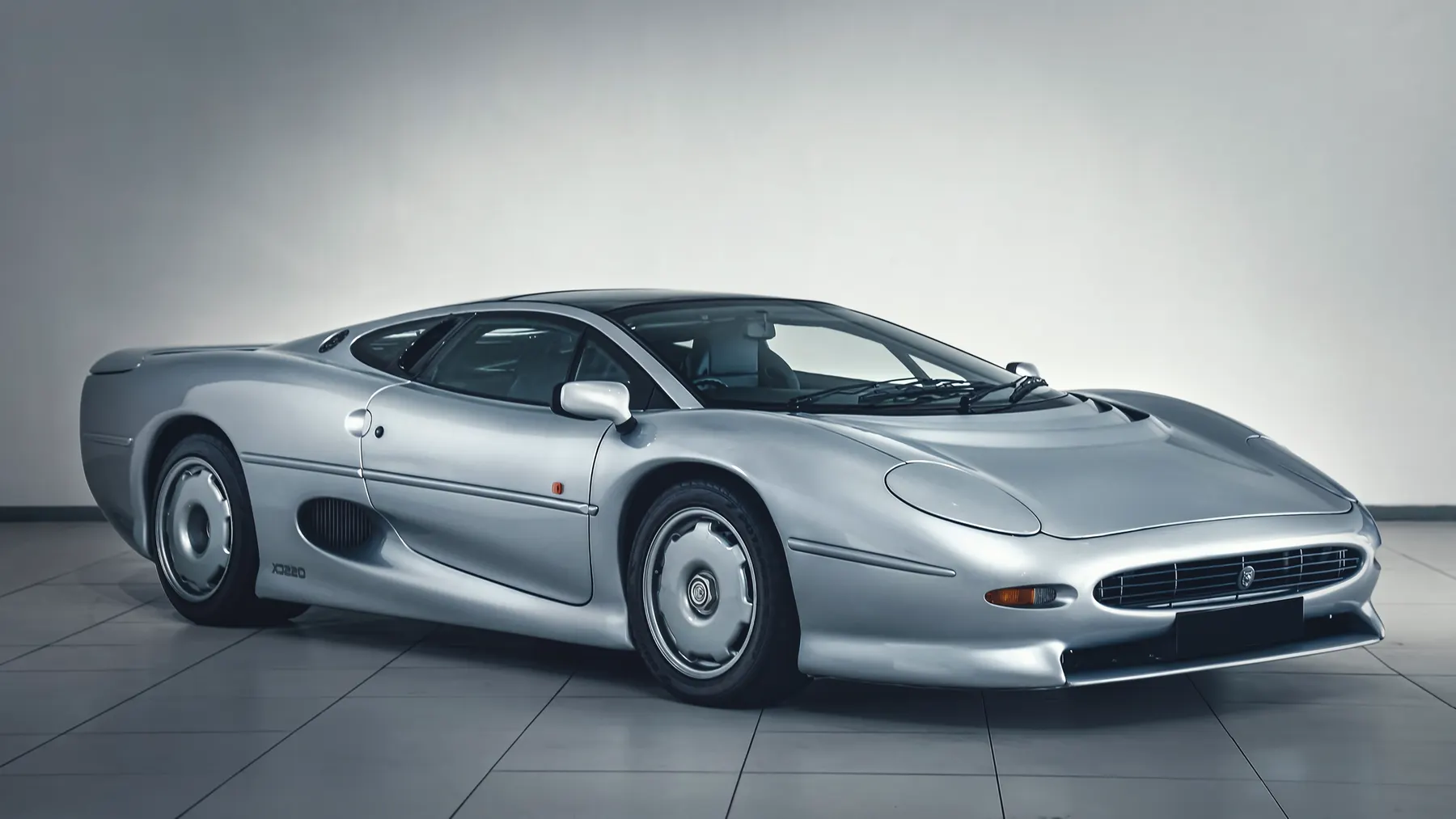
If there’s one car that defined the early '90s supercar scene, it’s undoubtedly the Jaguar XJ220. A masterpiece of design, engineering, and raw power, this beast from Coventry left an indelible mark in the annals of automotive history. In this thrilling journey, we’ll dive into the mesmerising world of the 1993 Jaguar XJ220. Buckle up, as we explore this remarkable British creation that defied conventions and set new standards for supercars.
Imagine the scene: the year is 1988, and the stage is set at the British International Motor Show in Birmingham. As the curtains draw back, the crowd is left in awe of the long, low, and exquisitely sculpted silhouette of the Jaguar XJ220, it’s a work of art on wheels. This remarkable machine turned heads first for its stunning aesthetic and then for its astonishing capabilities. Jaguar’s first foray into the supercar realm was a revelation. It packed a 6.2-liter, 12-cylinder engine under its hood, along with all-wheel drive – a combination more synonymous with Italian marques.
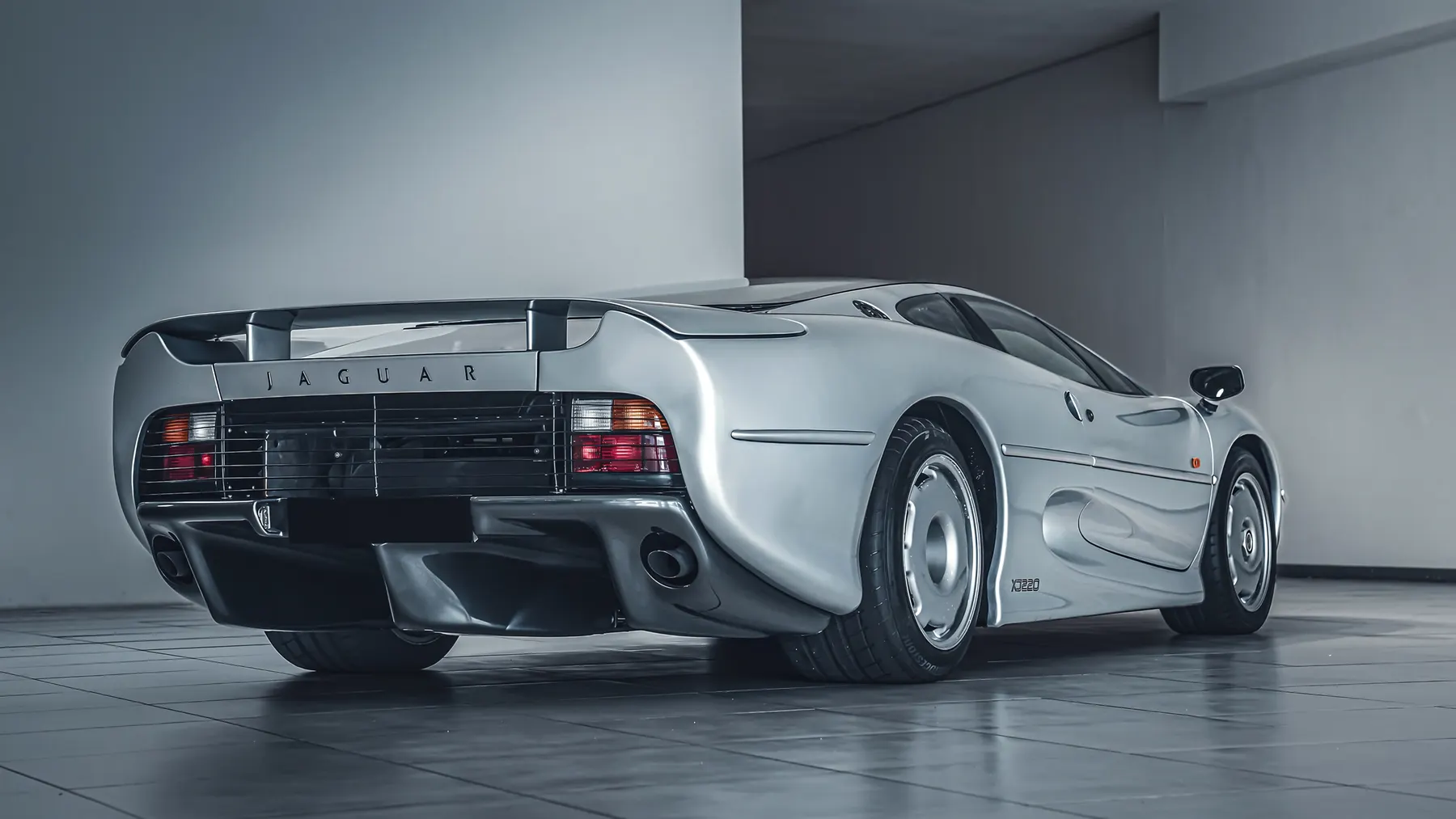
As the XJ220 was unveiled at the show, the crowd went wild. The car’s striking design, the raw power it promised, and the audacity of Jaguar to venture into this territory created a sensation. Within an hour, a staggering 1,500 people had placed pre-orders for this extraordinary car, each accompanied by a £50,000 deposit. It wasn’t just the public; even pop stars like Elton John and Rod Stewart couldn’t resist the allure of the XJ220, becoming early adopters. The XJ220’s launch marked a pivotal moment in the world of supercars.
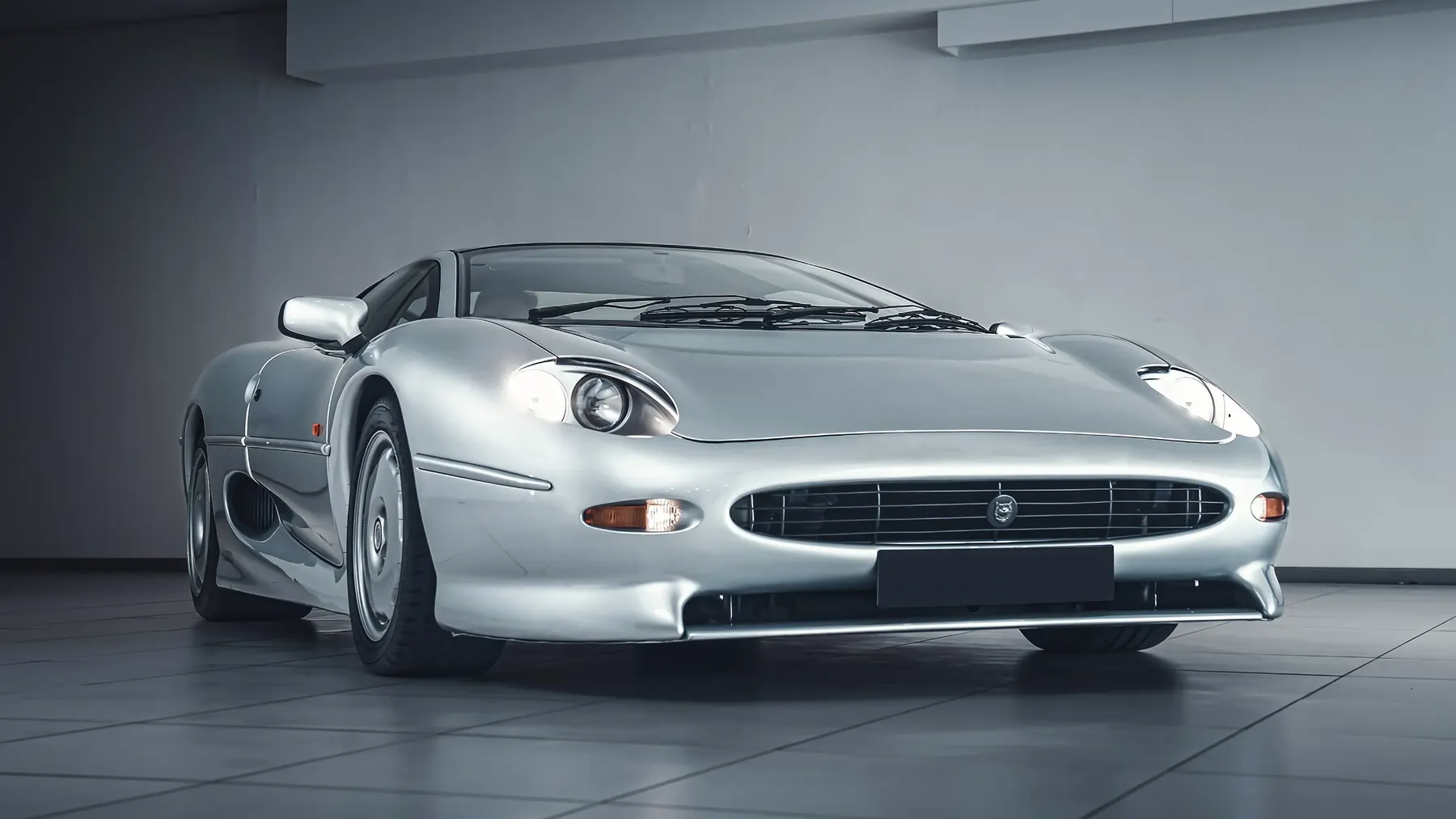
The road from concept to production was a tumultuous one. The XJ220 had a relatively long gestation period, and it encountered headwinds due to a global economic recession. Many prospective owners tried to backpedal on their deposits as the final production car had changed significantly from the prototype. It had lost half of its cylinders, nearly half its engine capacity, and two driven wheels. Features like anti-lock brakes, power steering, and those distinctive scissor-style doors were also left behind. In the world of supercars, change isn’t always welcomed with open arms.
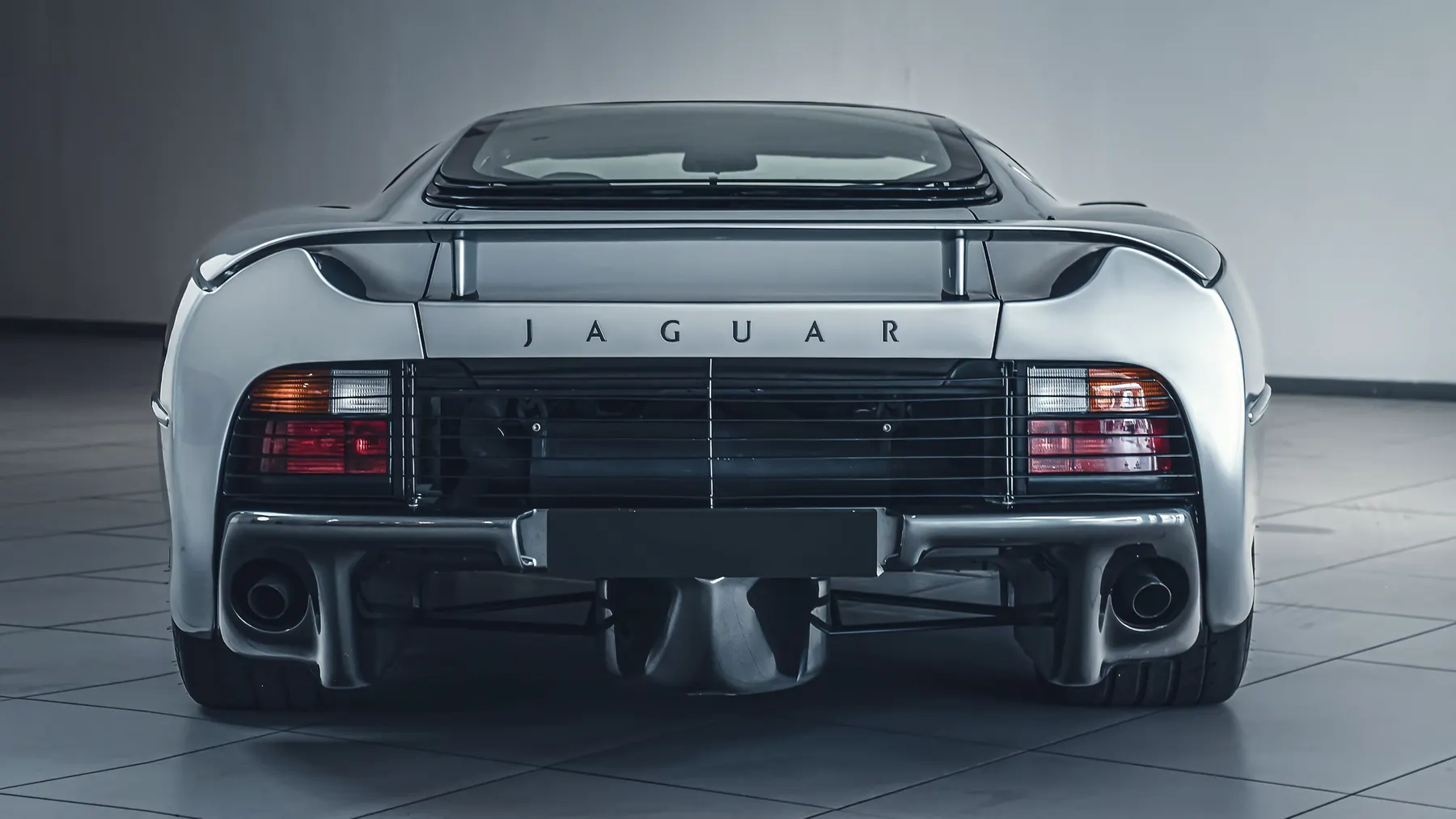
The transformation from prototype to production may have altered the XJ220’s technical specifications, but it didn’t hinder its performance. The 3.5-liter all-alloy V6 engine was a revelation, enabling the car to sprint from 0 to 60 mph in a mere 3.6 seconds – quicker than iconic supercars like the Ferrari F40, Porsche 959, and Lamborghini Diablo. The XJ220 wasn’t just fast; it was a rocket on wheels. Its top speed, a jaw-dropping 213 mph, made it, for a brief period, the fastest production car in the world. Only the McLaren F1 would eventually outpace it.
If you were fortunate enough to get your hands on an XJ220, you were part of an exclusive club. A mere 300 of these extraordinary cars were ever built, adding to their allure and exclusivity. Today, they are a sought-after collector’s dream. The XJ220 might have undergone changes and faced its share of challenges, but it stands as an iconic testament to Jaguar’s audacity, design brilliance, and engineering prowess.
Join the discussion
Comments
Loading comments…
Leave a comment
Share a detail, memory, or perspective. Every comment is reviewed before publication.