1929 Packard Deluxe Eight

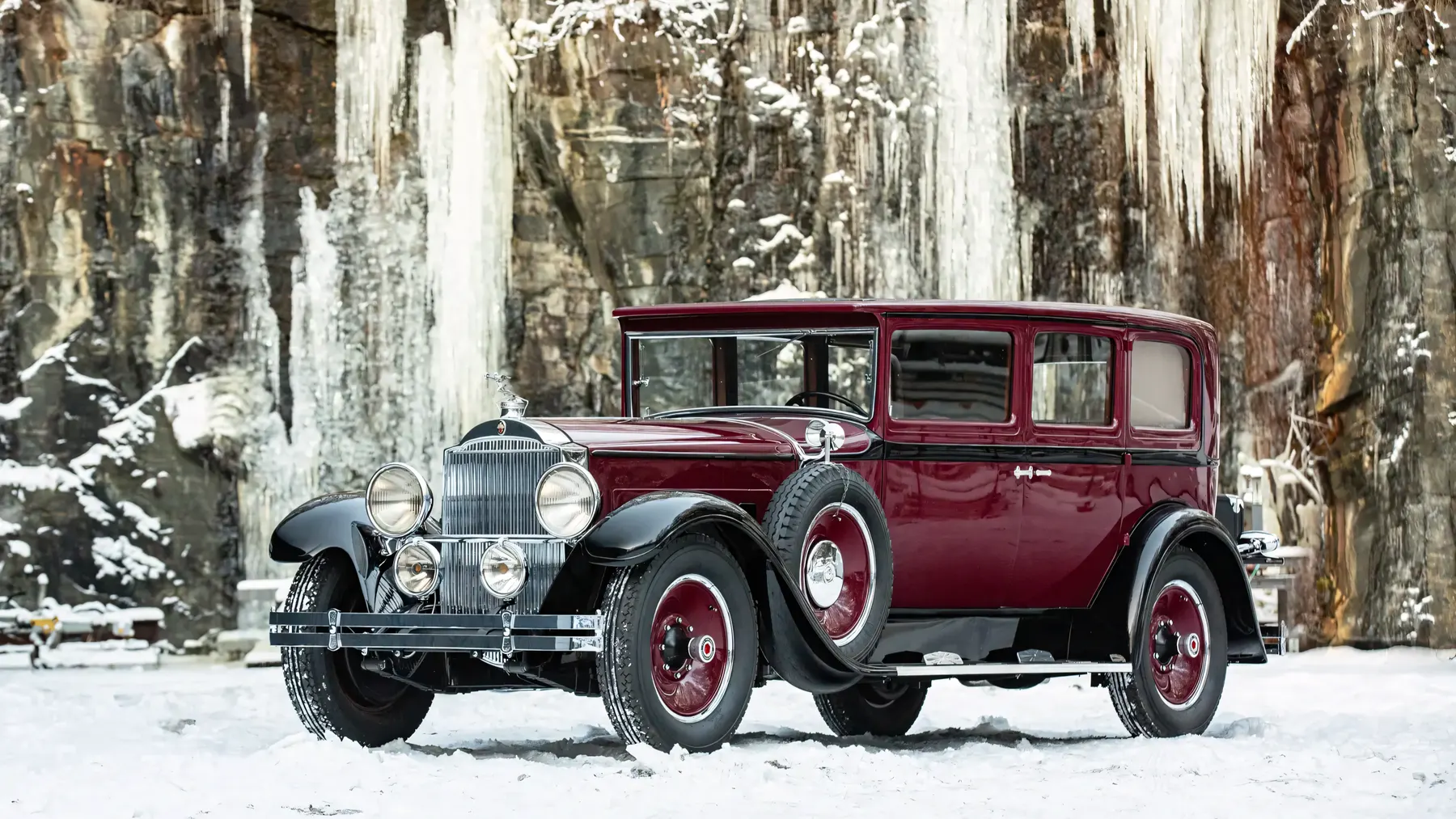
During the late 1920s and early 1930s, few names evoked luxury, craftsmanship, and performance quite like Packard. The Packard Deluxe Eight, introduced in 1929, represented the pinnacle of American automotive engineering, a car that combined aesthetic elegance with robust mechanical prowess. It was a rolling statement of sophistication and cutting-edge technology during the height of the classic car era.
Packard had already established itself as a prestigious luxury brand with its earlier models, like the Packard Twin Six, but the introduction of the Packard Eight in 1924 brought a new level of refinement. By 1929, the Packard Deluxe Eight emerged as the top-tier variant, catering to the elite who desired something more exclusive than the Standard and Custom models.
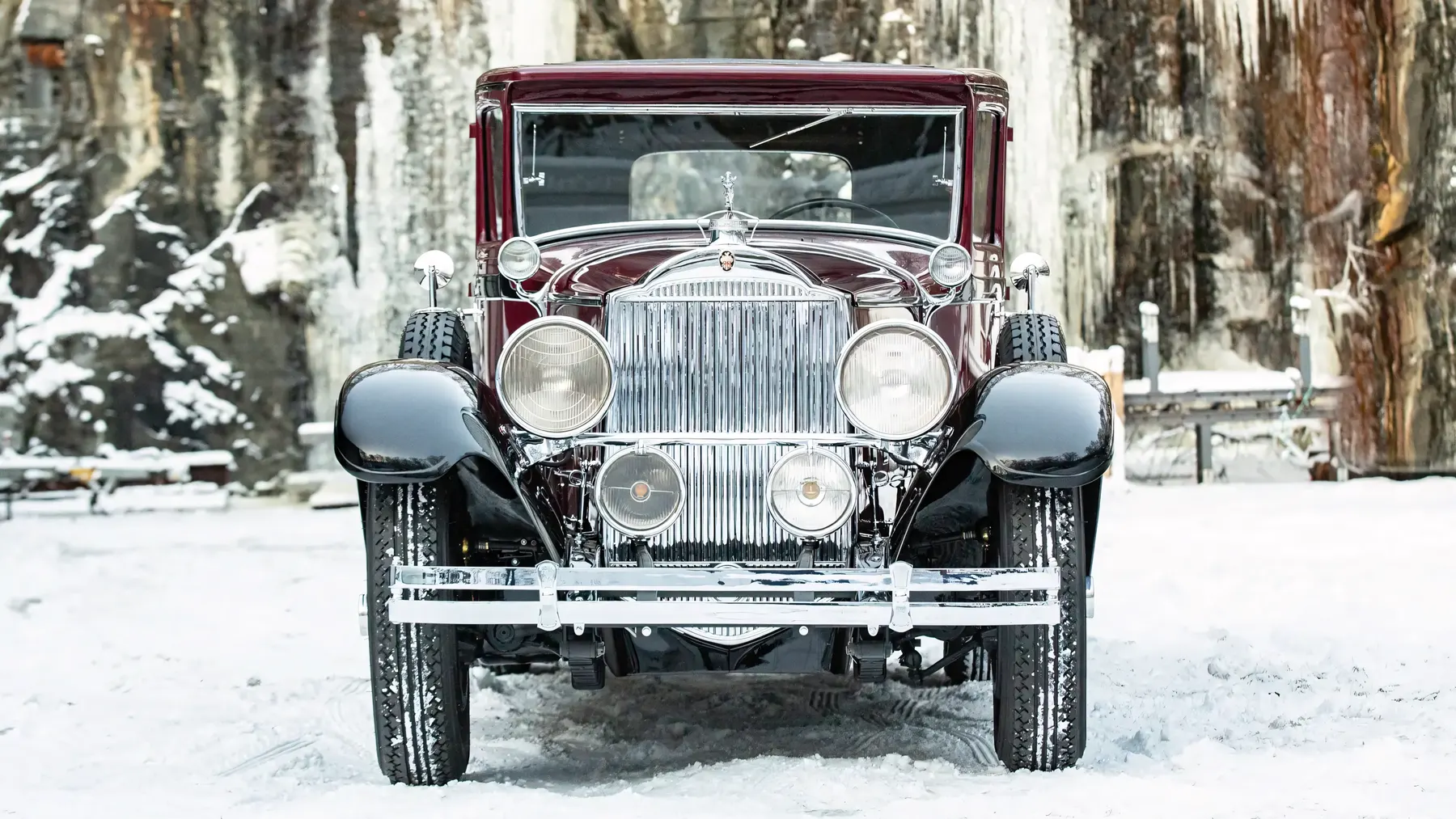
The Deluxe Eight was a powerhouse of innovation. Under its long, elegant bonnet sat a 385-cubic-inch straight-eight engine. With 105 horsepower at 3,200 RPM, the Deluxe Eight was a marvel of its time. The engine was designed with seven main bearings and a one-piece cylinder block, ensuring it was both powerful and whisper-quiet,a testament to Packard’s commitment to precision engineering.
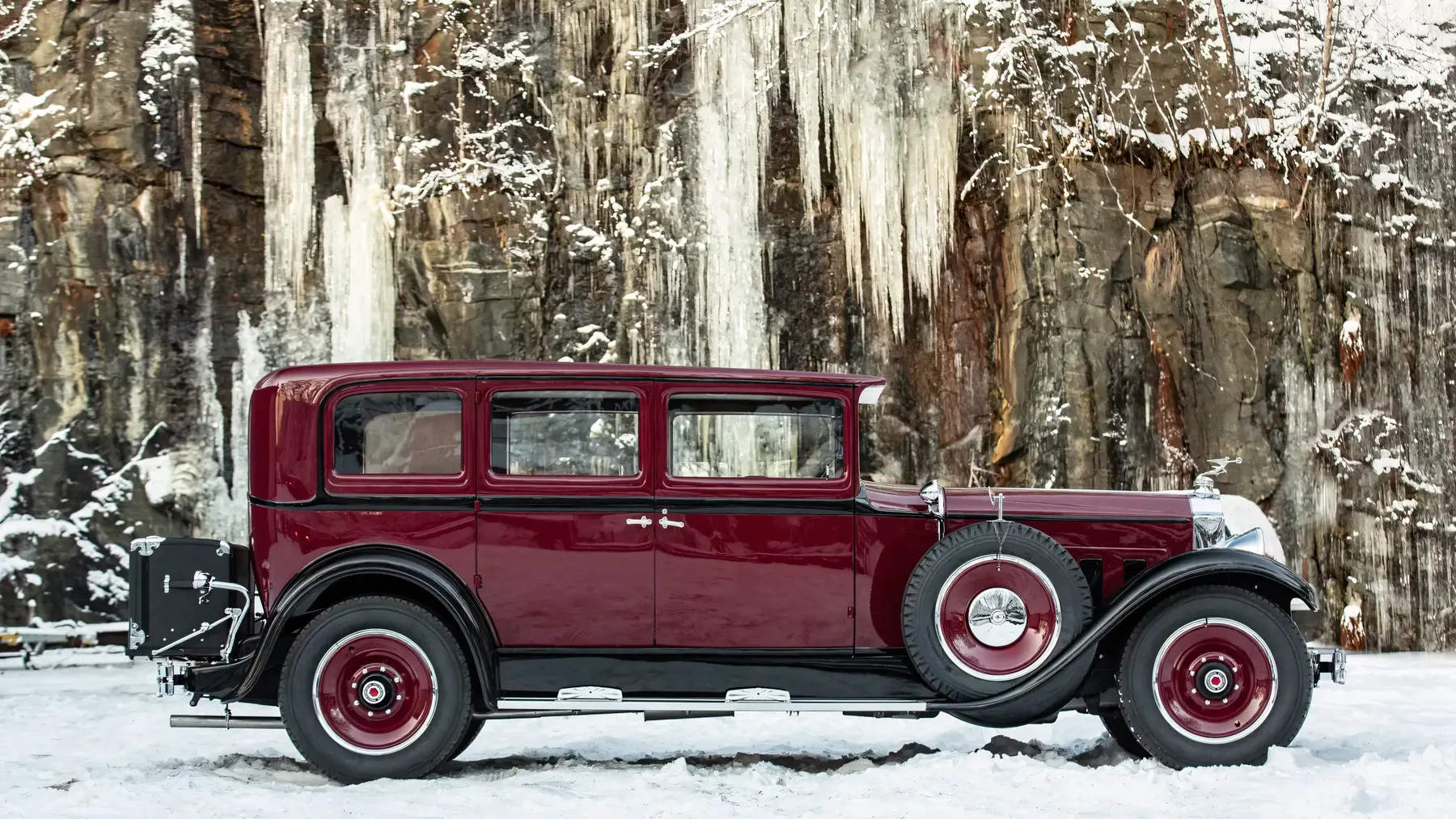
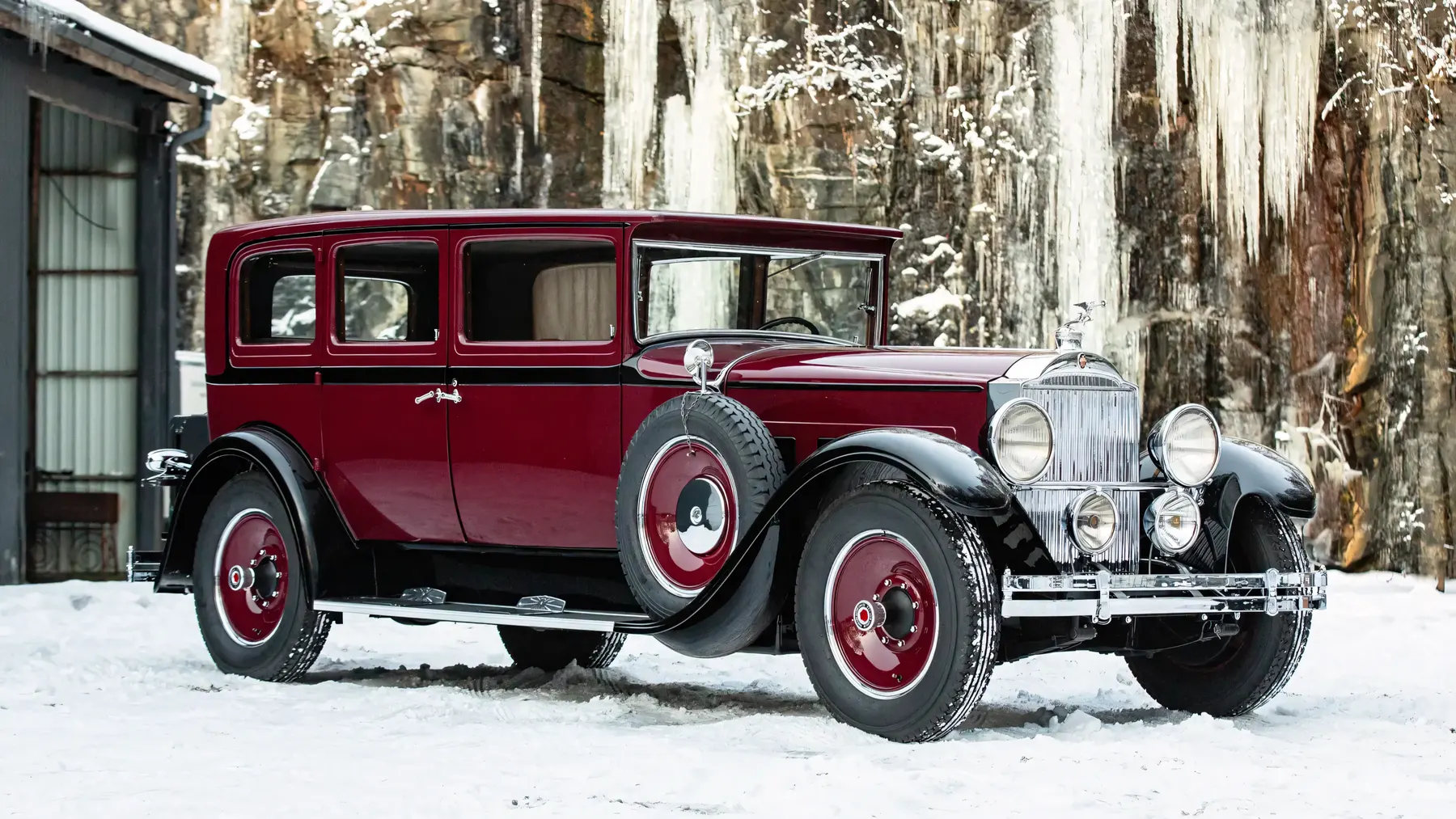
Visually, the Deluxe Eight was among the most striking cars of the Classic Era. Its sweeping fenders, elongated bonnet, and imposing oval headlights gave the car a regal, almost stately appearance on the road. It was available in eleven distinct body styles, ensuring that no two Packard Deluxe Eights were quite alike. Whether it was the sleek two-door roadster or the grand four-door phaeton, every variant dripped with bespoke craftsmanship.
Beyond its graceful exterior, the Deluxe Eight delivered a luxurious interior experience. Plush leather seating, polished wood accents, and top-tier upholstery materials wrapped passengers in comfort, reinforcing the car’s status as a premium vehicle. The attention to detail in both form and function was a hallmark of Packard’s design philosophy.
Despite its refined appearance, the Packard Deluxe Eight was no slouch on the road. Its powerful engine could propel the heavy luxury car with ease, aided by innovations like rubber engine mounts that reduced vibrations and provided a smooth, “floating” driving experience. This engineering not only made the Deluxe Eight a pleasure to drive but also highlighted Packard’s forward-thinking approach to luxury motoring.
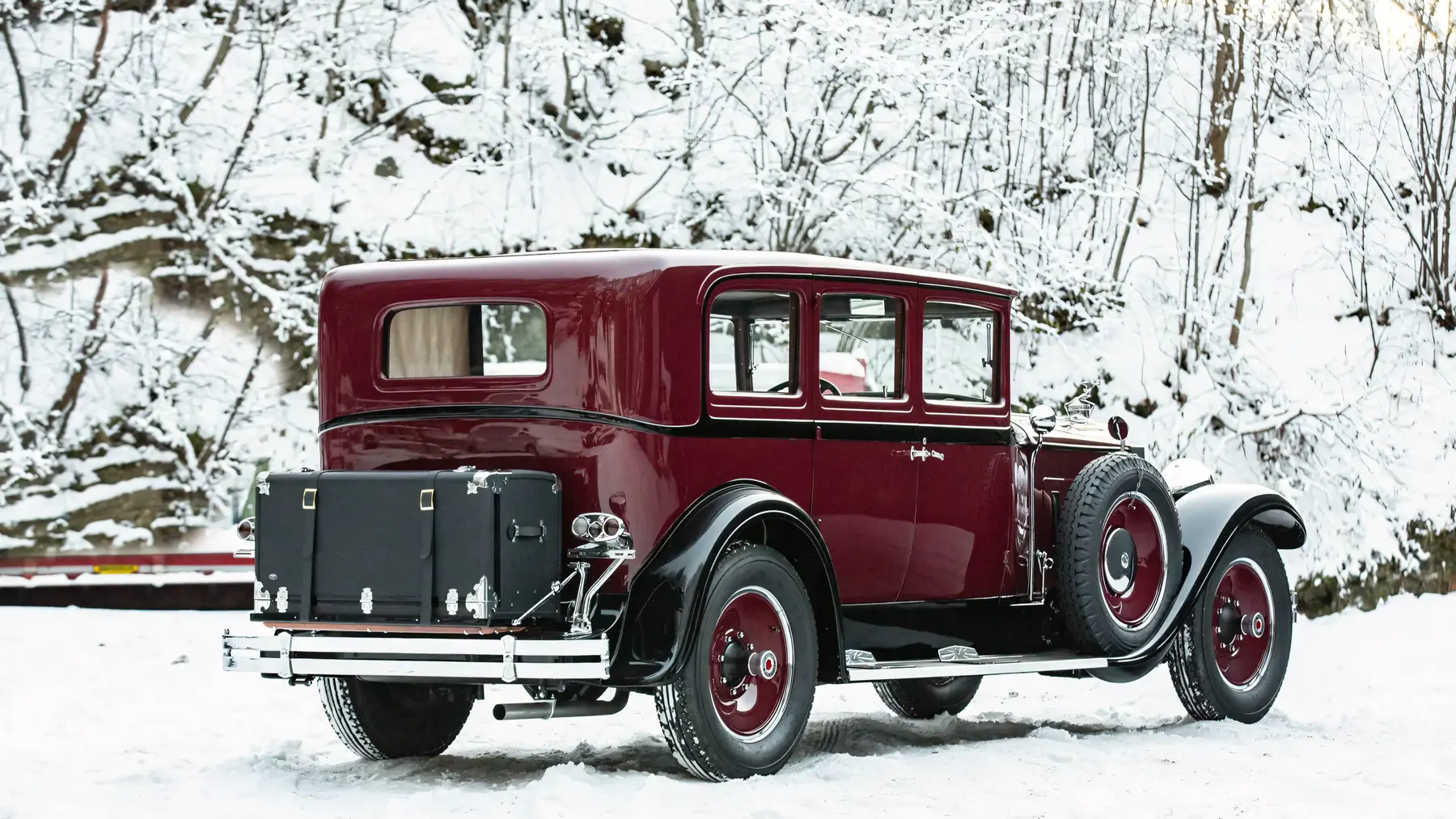
The Deluxe Eight’s suspension, featuring a long wheelbase of up to 145.5 inches, offered unmatched ride quality. Whether on city streets or open highways, the Packard’s handling was exemplary for its time, making it a favourite among affluent buyers who valued both performance and prestige.
With factory prices ranging from $3,150 to $5,350, the Packard Deluxe Eight was far from an average purchase. Adjusted for inflation, these prices translate to $57,000 to $97,000 in today’s dollars,making it a symbol of success and sophistication. Ownership of a Deluxe Eight was reserved for those who moved in the highest echelons of society. It was a car seen in the driveways of titans of industry, Hollywood stars, and influential figures.
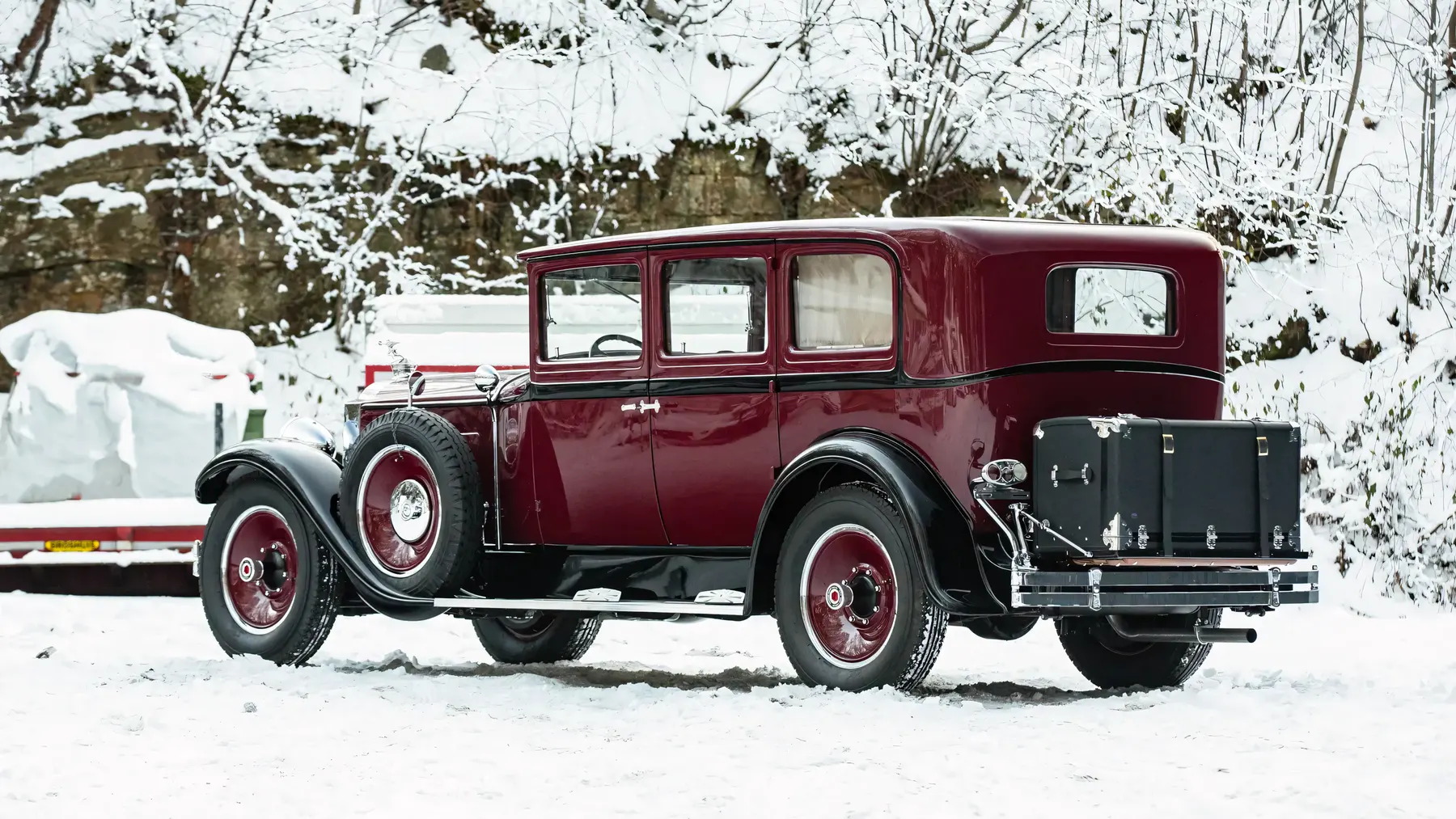
Packard’s marketing during the period emphasised the car’s exclusivity, and with production numbers limited to fewer than ten units per day, the Deluxe Eight was truly a bespoke luxury vehicle. Each car was meticulously crafted, with an unwavering focus on quality, ensuring that every model was a masterpiece in its own right.
The Packard Deluxe Eight stands as a shining example of American automotive excellence. It embodied everything that Packard represented: luxury, innovation, and unparalleled craftsmanship. Today, the Deluxe Eight remains one of the most revered classic cars, a reminder of an era when automobiles were not just about transportation but were symbols of artistry and engineering mastery.
Join the discussion
Comments
Loading comments…
Leave a comment
Share a detail, memory, or perspective. Every comment is reviewed before publication.