1960 Jaguar XK 150 S 3.8 Drophead Coupe

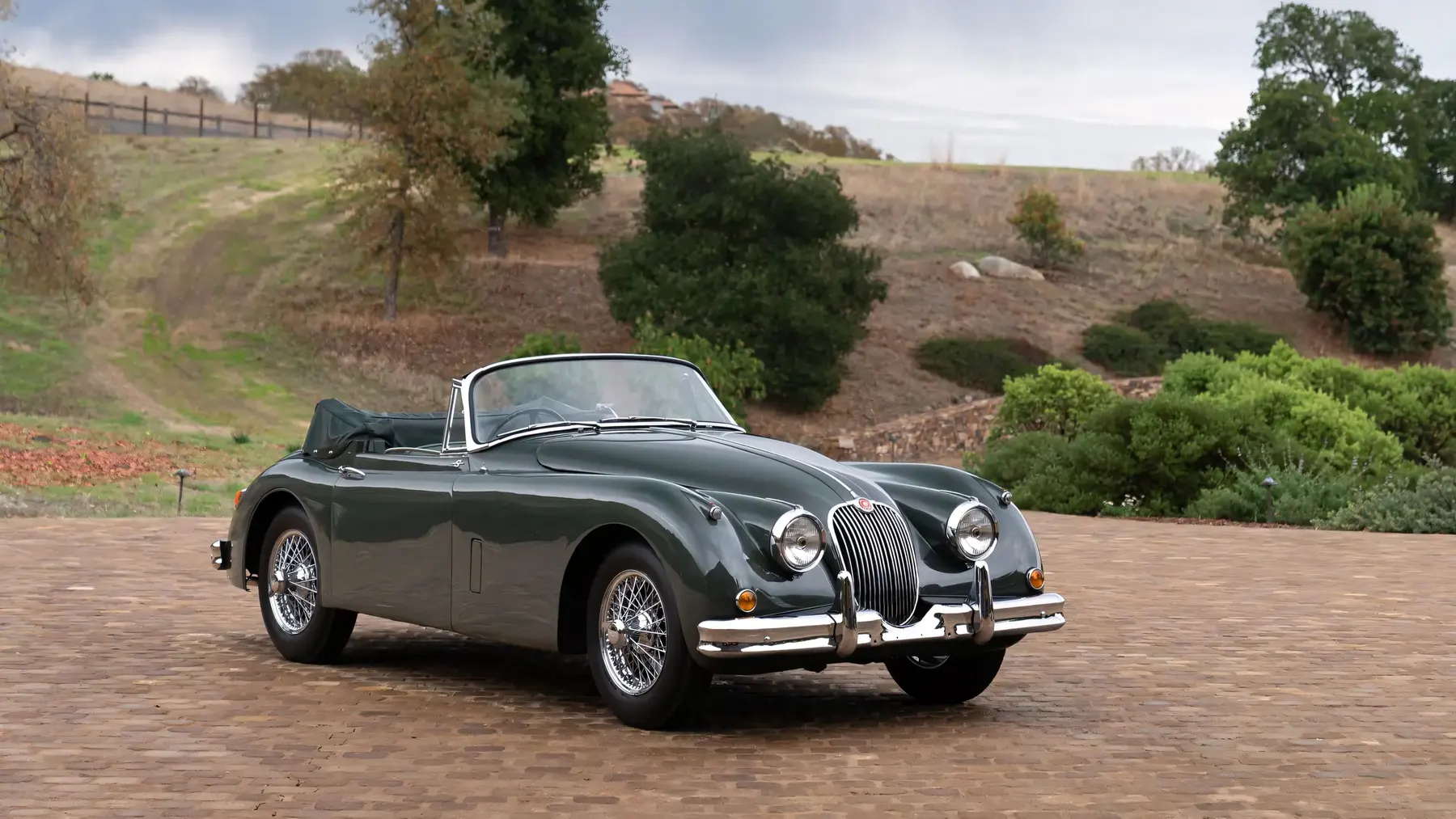
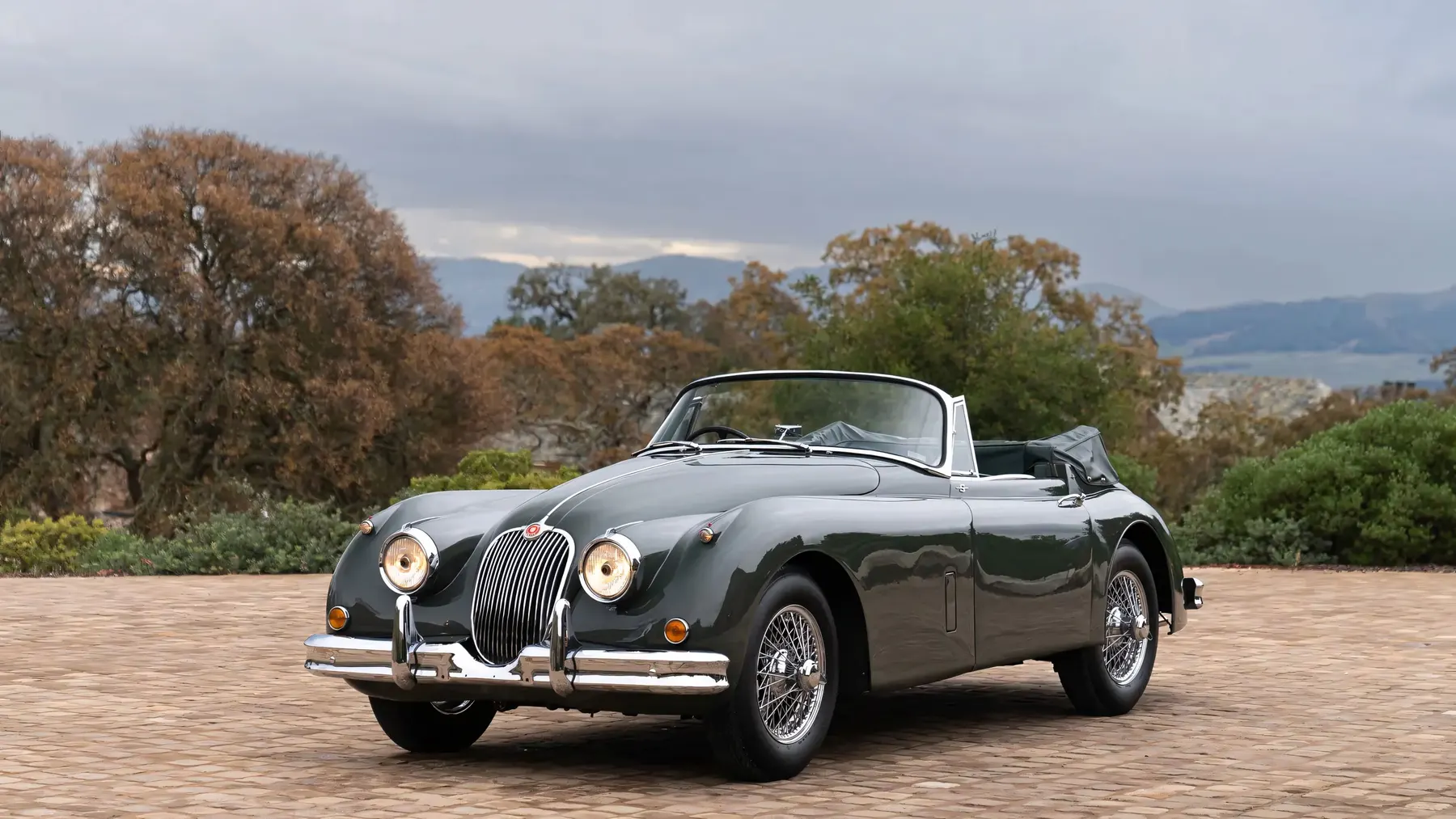
The Jaguar XK150 S 3.8 Drophead Coupe is a symbol of an era when British sports cars ruled the roads. As the last iteration of Jaguar’s famed XK series, the XK150 represents the pinnacle of Jaguar’s 1950s engineering and design before the E-Type took over the mantle.
The XK150, produced between 1957 and 1961, was the successor to the XK140 and marked a significant evolution in the series. When it was introduced, the XK150 was available in fixed head coupe (FHC) and drophead coupe (DHC) versions, with the roadster model joining the lineup a year later. While it bore a family resemblance to its predecessors, the XK150 was a radical departure in terms of design and technology.
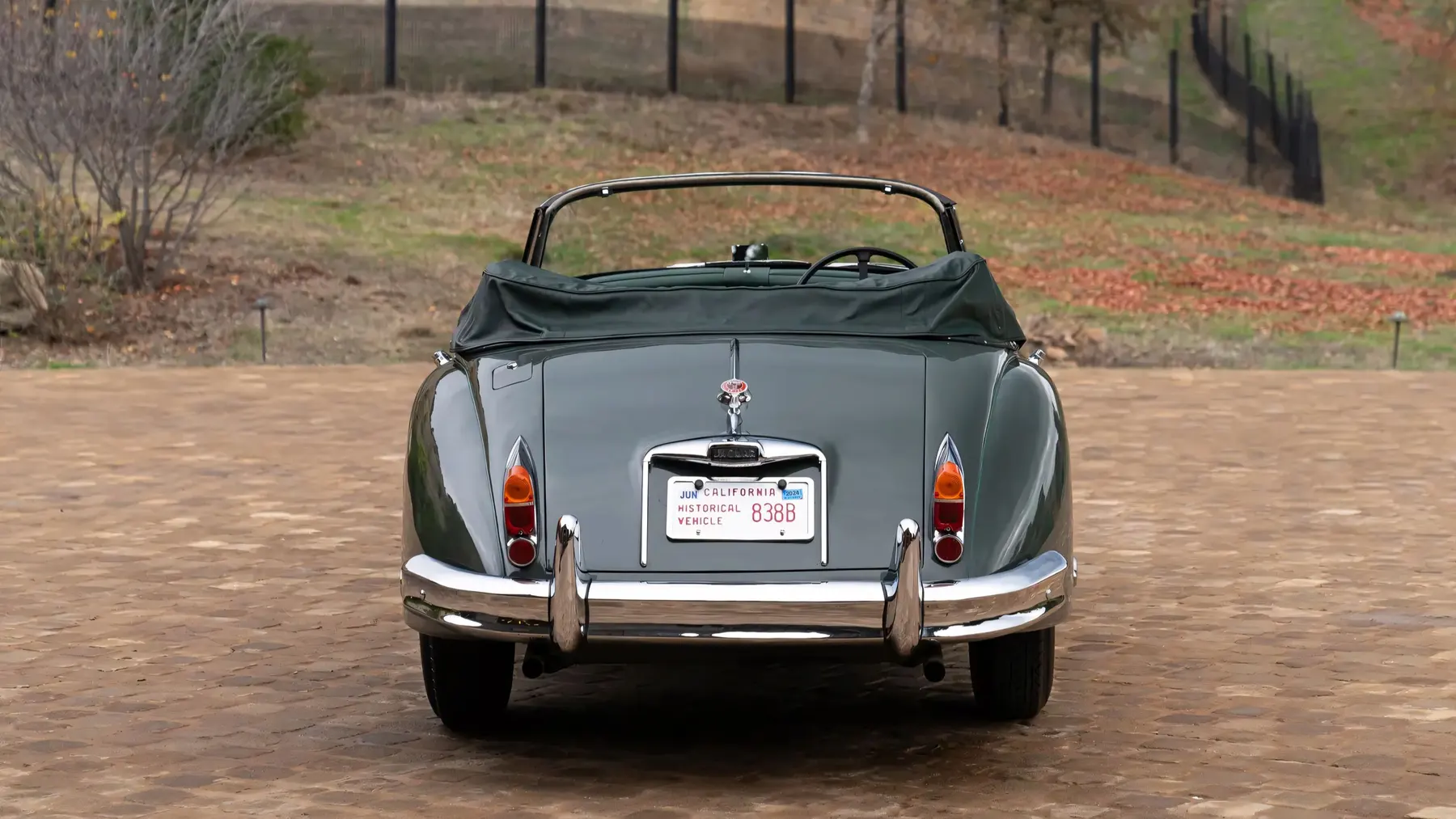
One of the most noticeable changes was the introduction of a one-piece windscreen, replacing the split screen of earlier models. The wing line was raised, and the bonnet was widened, giving the XK150 a more streamlined and modern appearance. Inside, the dashboard was leather-trimmed, with the option for walnut veneer, offering a touch of luxury that was ahead of its time.
Under the hood, the XK150 S 3.8 Drophead Coupe was a beast. Initially, the XK150 was equipped with a 3.4-liter DOHC straight-six engine, but in 1960, Jaguar introduced the 3.8-liter version, which could produce up to 265 hp in the S models. This engine, borrowed from the full-sized Mark IX saloon, transformed the XK150 into a true performance car, capable of reaching 135 mph and accelerating from 0-60 mph in around 7 seconds,a remarkable feat for the era.
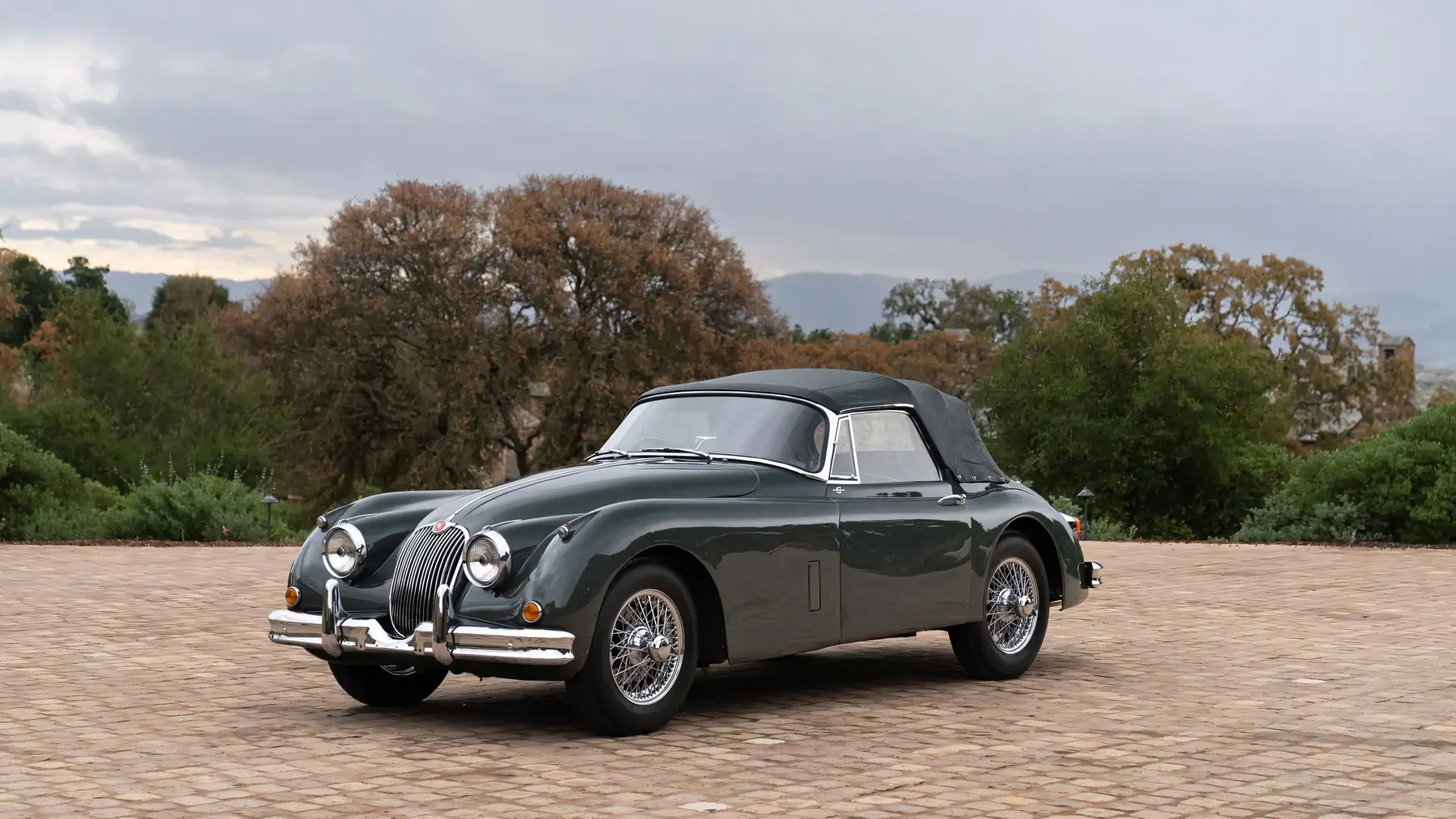
The S version of the XK150 was equipped with three 2-inch SU HD8 carburetors and a straight-port cylinder head, which significantly boosted power. This configuration made the XK150 S one of the fastest production cars of its time, rivalling many of the best European sports cars on the market.
The XK150 was also ahead of its time in terms of handling and braking. It was the first Jaguar to feature four-wheel Dunlop disc brakes as an option, providing much-needed stopping power for the car’s increased performance. The suspension and chassis were carried over from the XK140, but the XK150’s refined setup allowed for better handling and a more comfortable ride, making it suitable for both spirited driving and long-distance touring.
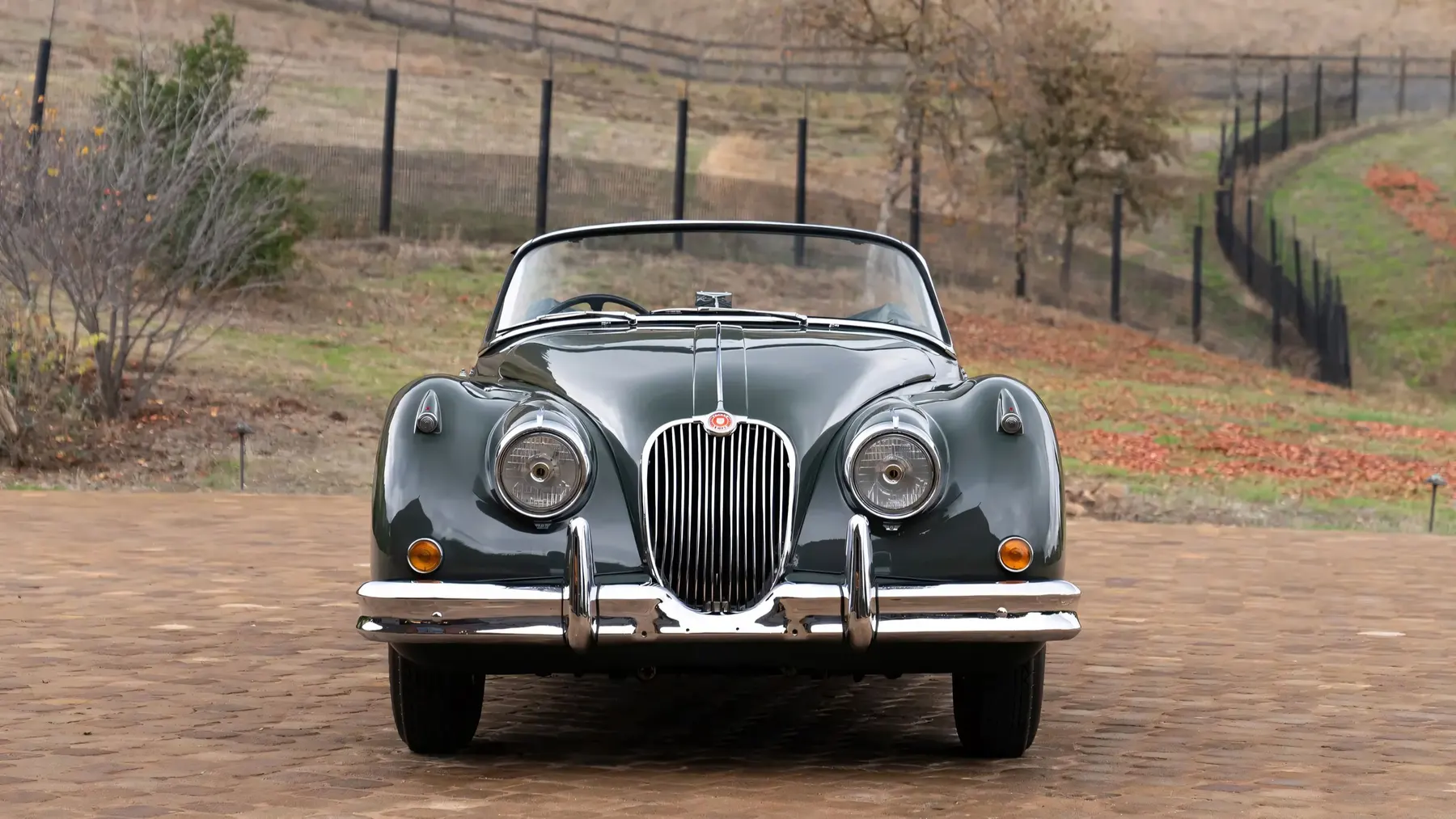
Aesthetically, the XK150 S 3.8 Drophead Coupe was a masterpiece of design. It was available in a range of colours, including the iconic British Racing Green, as well as more subdued tones like Mist Grey and Cornish Grey. The interior was equally luxurious, with leather seats, and the early models featured an aluminium centre dash panel with X-pattern engraving, reminiscent of the later E-Type.
The drophead coupe version added a layer of elegance and versatility, with a retractable roof that made it perfect for open-air motoring. The doors were thinner than those of the XK140, providing more interior space, and a small red light on the dashboard reminded drivers that the front parking lights were on, a charming, albeit quaint, detail.
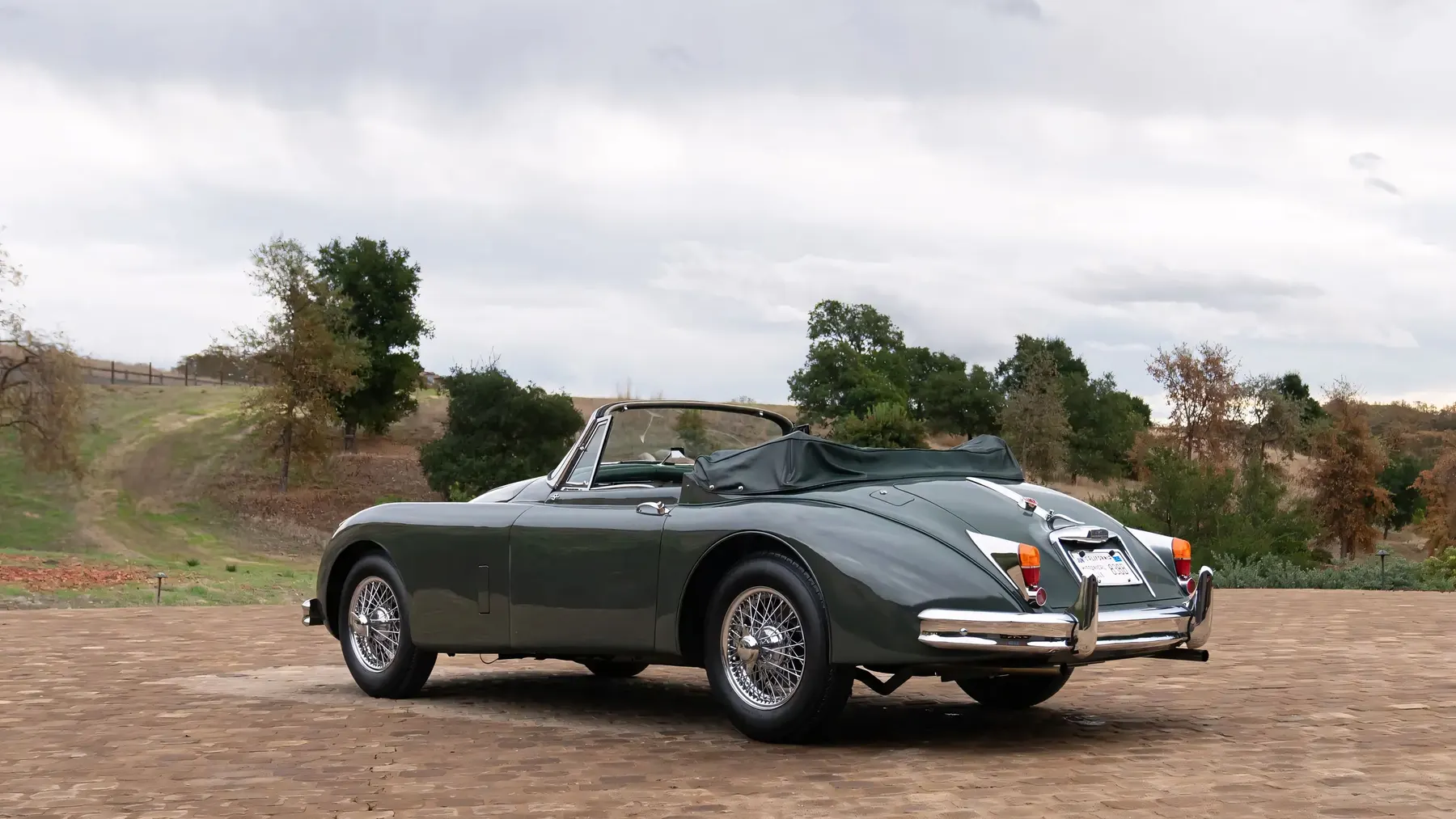
By the time production ended in October 1960, Jaguar had built 9,382 XK150s, including 2,672 drophead coupes. The XK150 was the final flourish of the XK series, a line of cars that had established Jaguar as a leader in both performance and design. It was a fitting swan song, blending power, luxury, and style in a way that few cars of the era could match.
With the arrival of the E-Type in 1961, the XK150’s time in the spotlight was brief, but its impact was lasting. Today, the Jaguar XK150 S 3.8 Drophead Coupe is a sought-after classic, a reminder of an age when sports cars were not just about speed, but about grace, craftsmanship, and the pure joy of driving.
Join the discussion
Comments
Loading comments…
Leave a comment
Share a detail, memory, or perspective. Every comment is reviewed before publication.