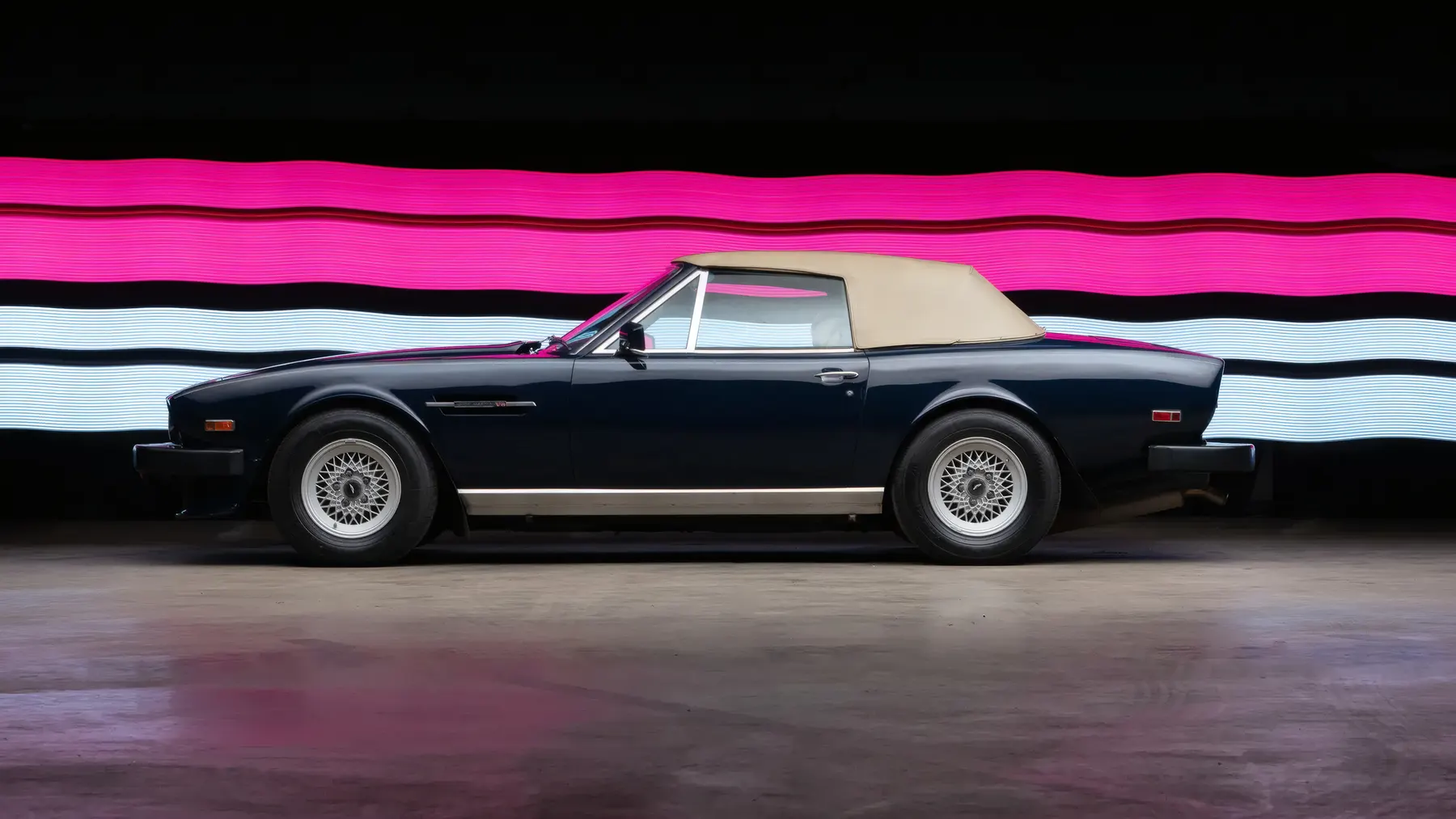
1986 Aston Martin V8 Volante
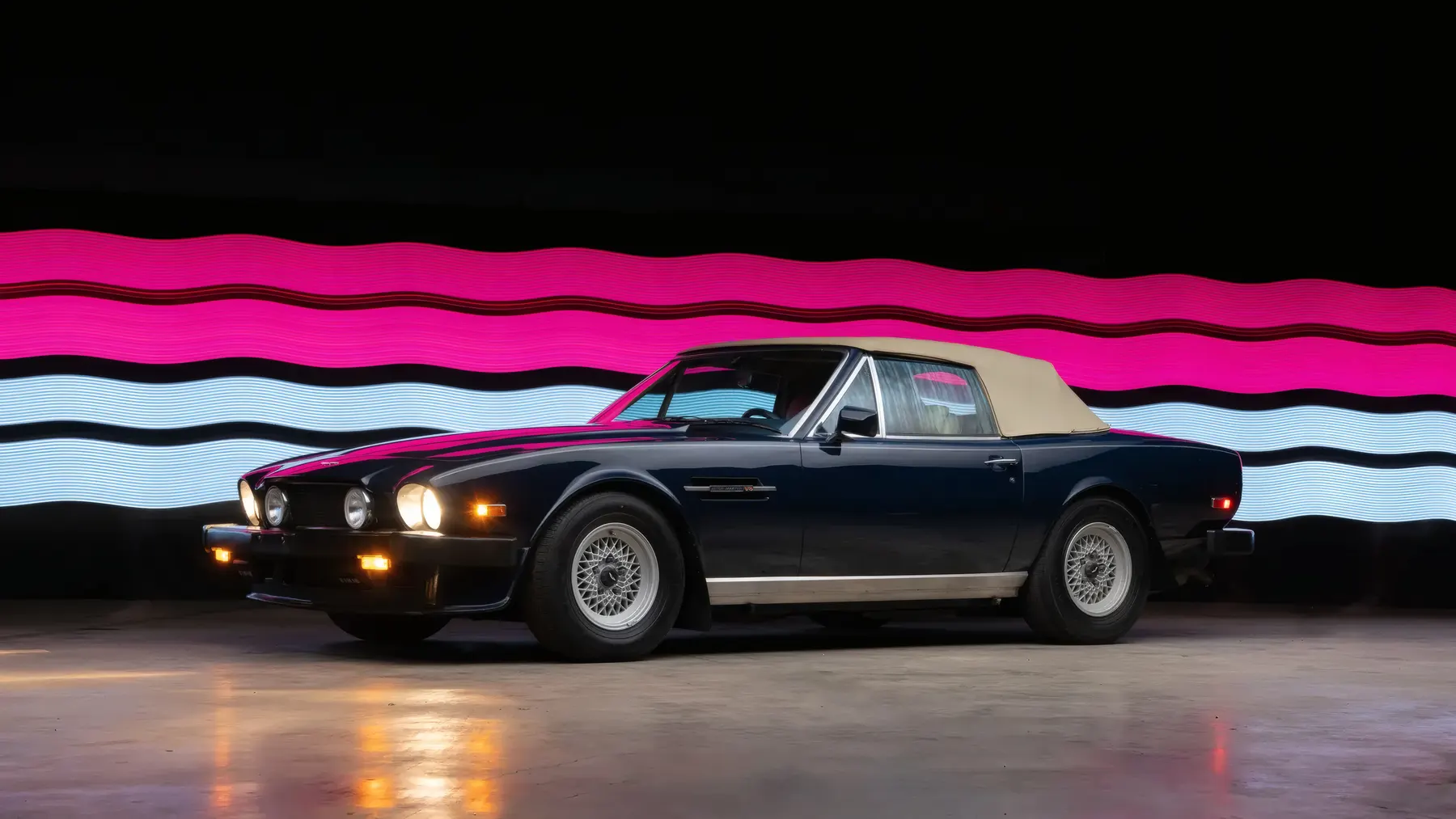
When Roger Moore’s 007 handed back the keys for good, the Aston Martin V8 Volante almost went with him - and then Timothy Dalton saved it. Victor Gauntlett, Aston Martin Lagonda’s chairman, personally lent his own V8 Volante for the opening scenes of The Living Daylights in 1987, and in doing so gave the Series 2 its most glamorous public moment. But the Series 2 Volante deserves to be understood on its own engineering merits, not merely as a prop for cinema.
The Volante’s story begins with the Series 1, introduced in June 1978 alongside the Oscar India coupé update - the open car actually received the new flat-bonnet treatment a few months before the saloon did. The Series 2 arrived in January 1986 at the New York International Auto Show, bringing the Volante into line with the fuel-injected Series 5 coupé. Only 216 examples of the Volante Series 2 were built before production ended in 1989, making it both the final chapter of the lineage and its rarest open expression.
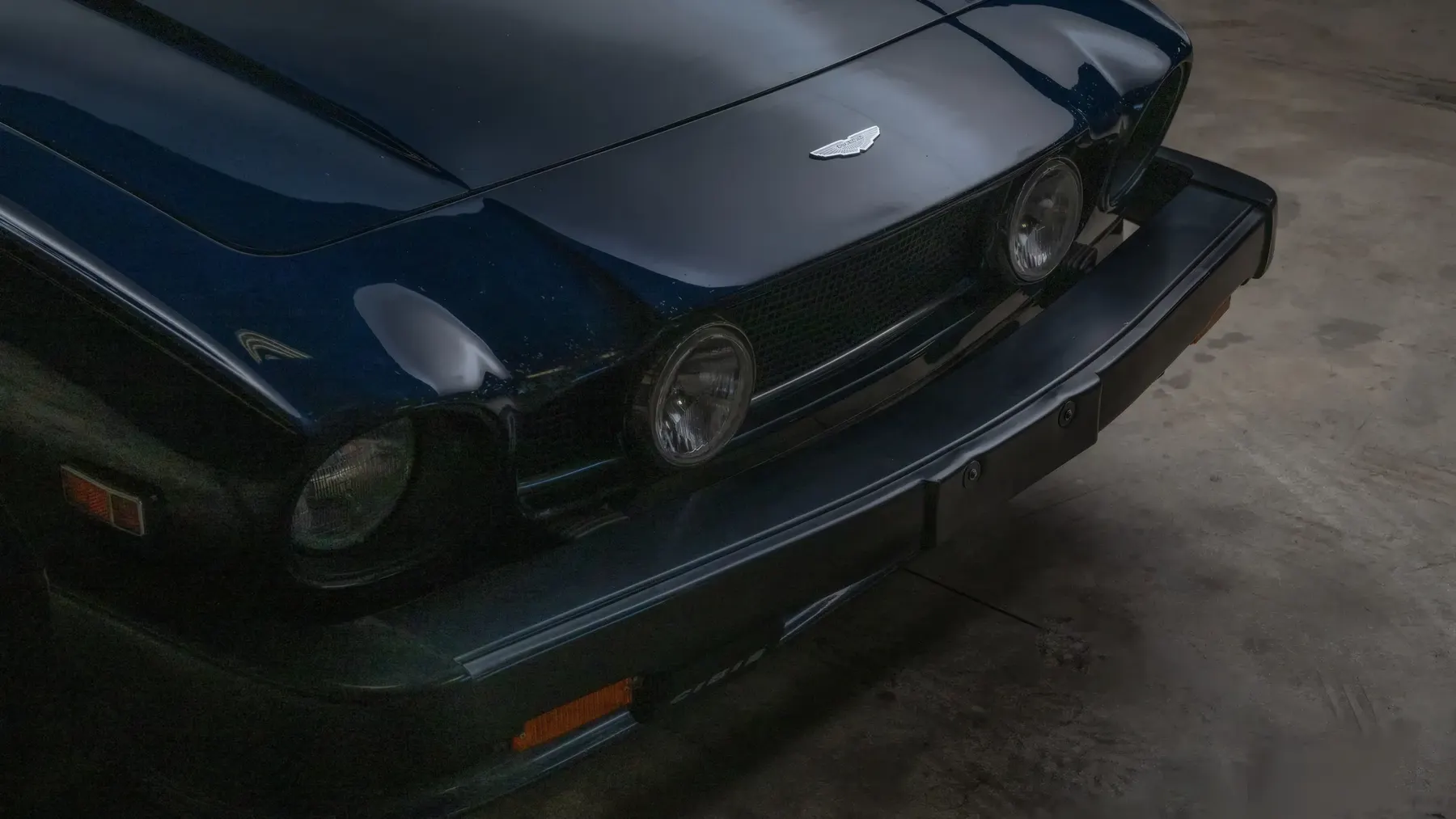
The headline change for the Series 2 was the adoption of the Weber-Marelli fuel injection system, which dispensed with the four twin-choke Weber carburettors and, crucially, removed the need for the tall bonnet power-bulge that had defined the Series 3 cars. The result was a virtually flat bonnet - clean, purposeful, and recognisably modern by Newport Pagnell standards. Output sat at around 305 bhp from the all-alloy, twin-cam, 5,340cc V8, with bore and stroke of 100mm and 85mm respectively, and torque of 320 lb-ft arriving at a very accessible 3,000 rpm.
Performance was honest rather than sensational. The manual Volante could reach 62 mph in around 6.4 seconds and top out at 155 mph; the automatic added roughly a second to that sprint. These were not figures that set pulses racing by the mid-1980s standards of Ferrari or Porsche, but Aston Martin had never sold the V8 purely as a performance object. The Volante was, and is, a grand tourer in the fullest sense - a machine calibrated for long-distance ability and unhurried drama rather than a circuit stopwatch.
The interior made this philosophy tangible. Walnut veneer ran across the dashboard and deep into the door cards, matched by the finest hand-stitched leather on every surface the occupants could touch. A three-spoke, leather-rimmed steering wheel sat before a binnacle housing large dials for road speed and engine revs, flanked by smaller ancillary gauges. Each car required some 1,200 man-hours to complete by hand at Newport Pagnell - a figure that suggests less a production line and more the rhythm of a small workshop.
The roof itself was an electric canvas item with a plastic rear window, covered by a tonneau when lowered. Packaging demands meant that stowing the hood ate into cabin space and boot volume compared to the saloon, a compromise that buyers accepted willingly. The optional hardtop - which famously appeared in The Living Daylights as Q-Branch’s “winterised” modification - transformed the car into something approaching a full-season grand tourer.
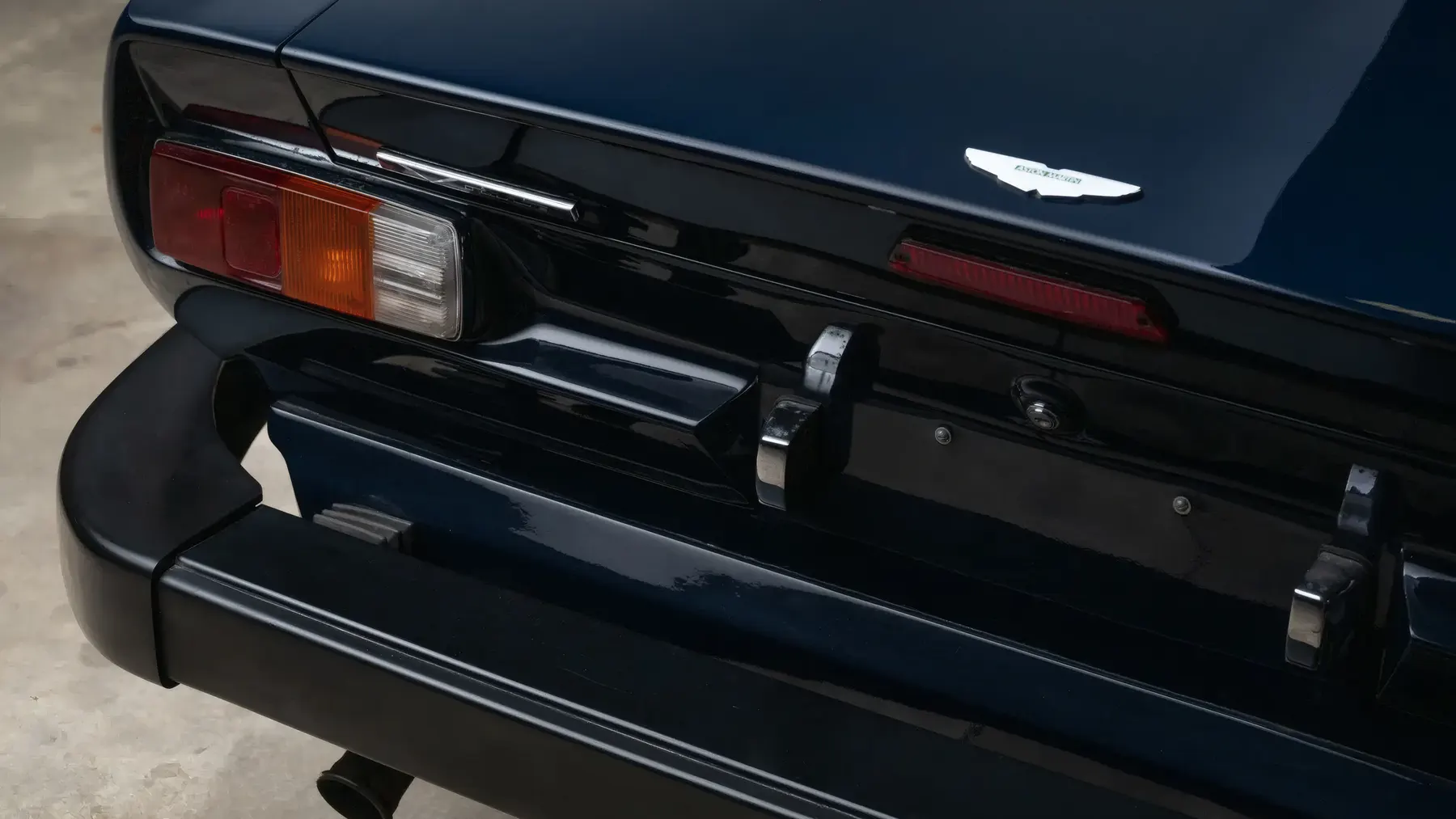
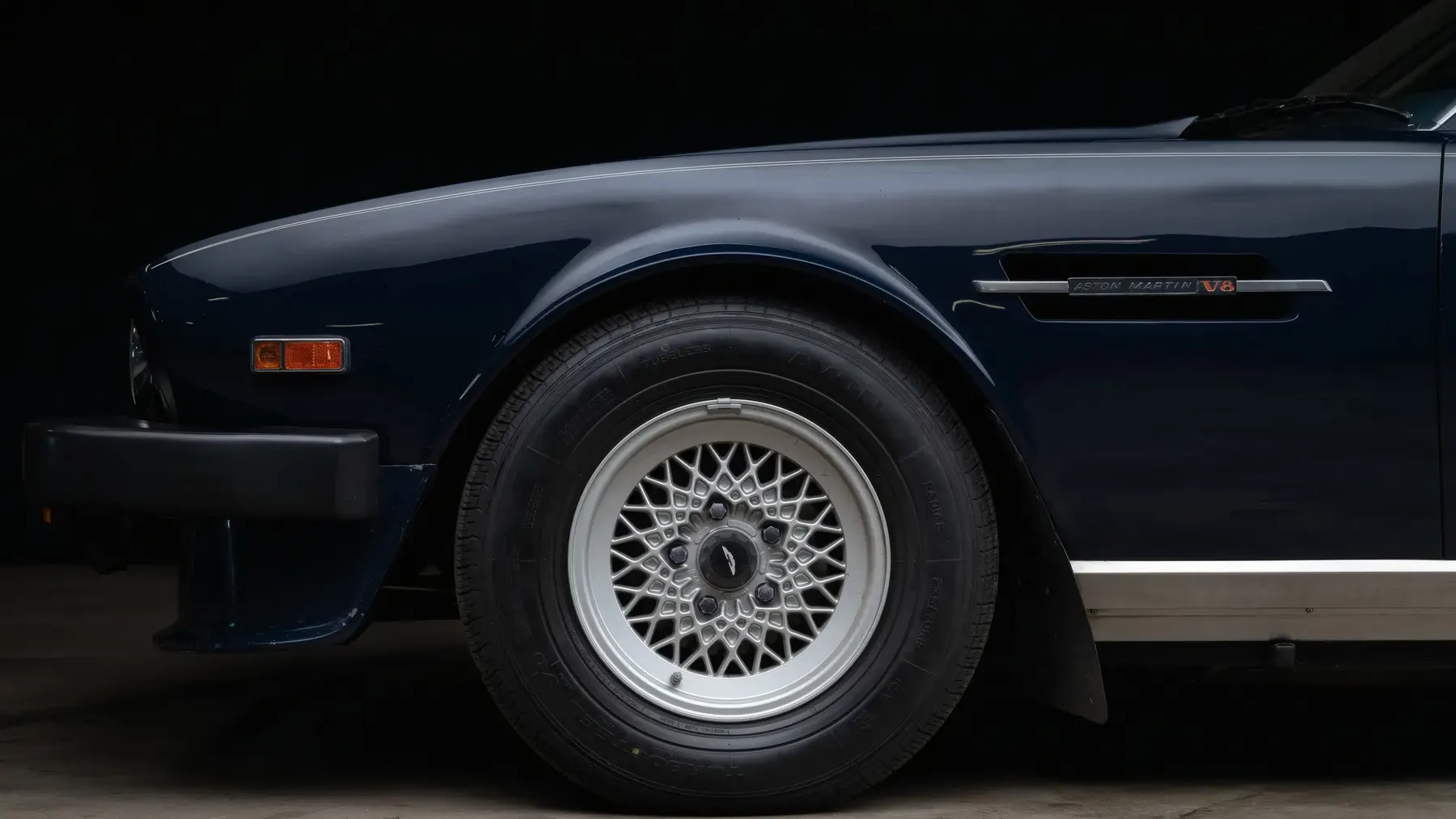
Where the Series 2 genuinely moved the model forward was refinement. The injection engine ran notably quieter than the carburetted units it replaced, with improved mid-range response and better cold-start behaviour. BBS cross-spoke 15-inch alloy wheels, introduced on the coupé in 1983, carried over to the Series 2 Volante and sharpened the aesthetic considerably over the earlier steel rims. The option list was extensive: Vantage-style Cibie driving lights in the grille, a wood-rimmed Nardi steering wheel, alternative rear axle ratios, and a choice of audio systems.
The criticisms were real and persistently noted at the time. The three-speed automatic - the gearbox most buyers specified - was a Chrysler Torqueflite unit designed for entirely different applications, and its calibration felt blunt against the engine’s character. Fuel economy was atrocious in any setting, a consequence of the engine’s displacement and the car’s weight. The plastic rear window on the hood aged poorly and was prone to yellowing and cracking, a nagging functional irritant in a car priced for the serious wealthy buyer. Build quality, while sumptuous in its materials, was inconsistent in execution - the result of handbuilding at very small scale with limited quality control infrastructure.
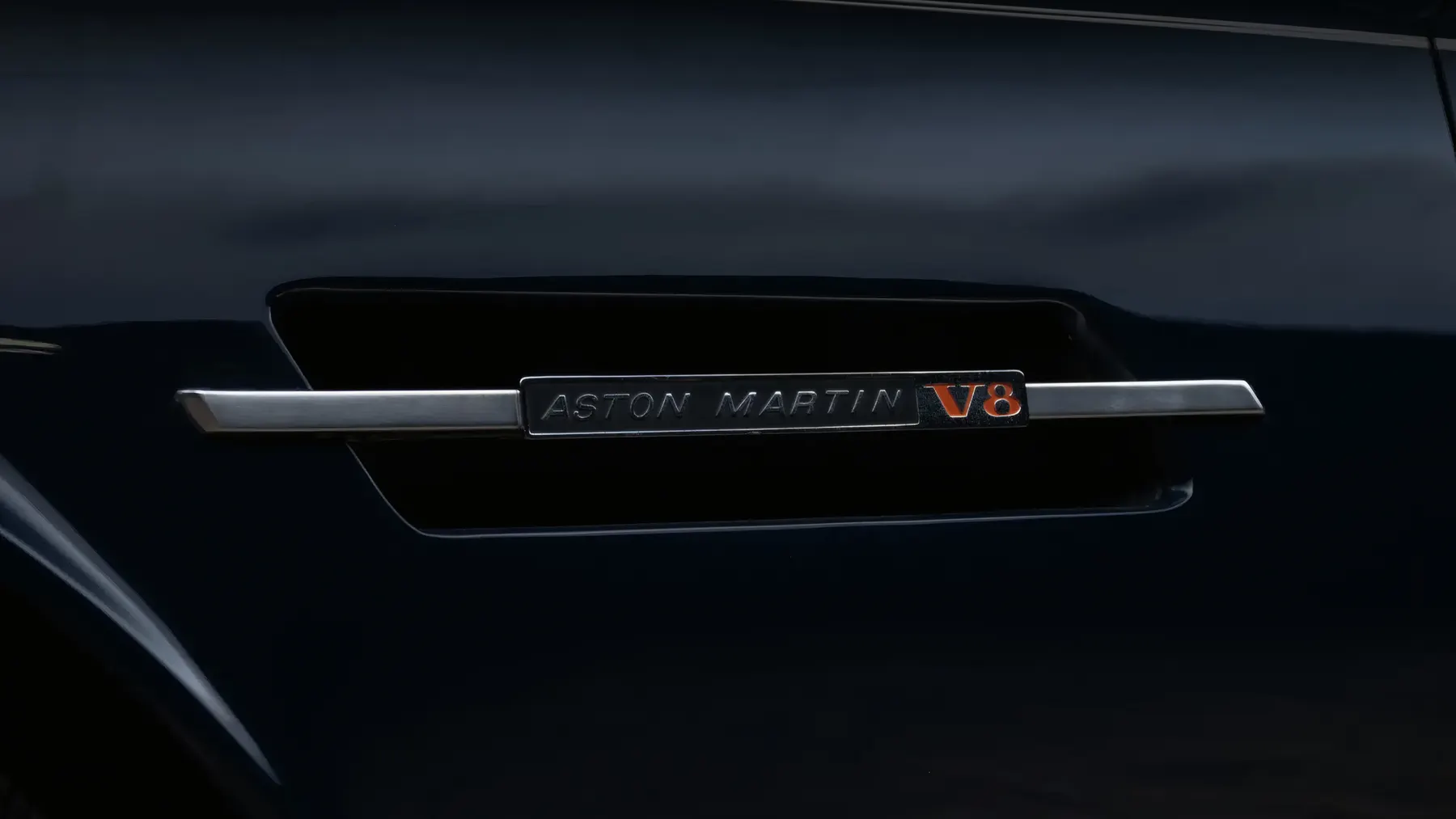
Aston Martin sold the Volante into a market where the open-top grand tourer segment had few direct rivals of comparable character. A Ferrari 400 could match it in some dynamic areas, but offered nothing like the handbuilt English luxury. A Bentley Continental could beat it for refinement and outgun it in torque, but not offer the sporting intent. The Volante occupied its own peculiar niche - too civilised for the track-day crowd, too fast and theatrical for the traditional country-house set.
The cultural moment that the Series 2 Volante inhabits is firmly the second half of the 1980s: the era of Victor Gauntlett’s aggressive advocacy for the brand, the Bond association, and Aston Martin’s gradual re-emergence from near-terminal financial difficulties. Production ended in 1989 when the Virage took over, and in retrospect the Series 2 Volante reads as the last pure expression of a line that began with Tadek Marek’s original V8 engine back in 1969 - an unbroken engineering thread stretched across two decades and distilled, finally, into 216 open-top cars that wore their age with complete confidence.