Ferrari 500 Superfast Series II: A Hybrid V12 Built for the Jet Set
1966 Ferrari 500 Superfast Series II by Pininfarina

Images: Darin Schnabel / RM Sotheby's
Ferrari built the 500 Superfast to be the last word in exclusivity, and in doing so it quietly closed the book on a way of making cars the company itself had pioneered. It was the final entry in a lineage of hand-finished, low-volume flagship coupés that had begun with the America and Superamerica models of the 1950s, and Ferrari’s own historians regard it as the last low-volume production coupé the factory built before the economics of small-batch tooling made that approach unsustainable, however much customers were willing to pay for the privilege. The Superfast was never meant to be practical. It was meant to be the most expensive, most powerful thing wearing a Ferrari badge, and for two brief years it was exactly that.
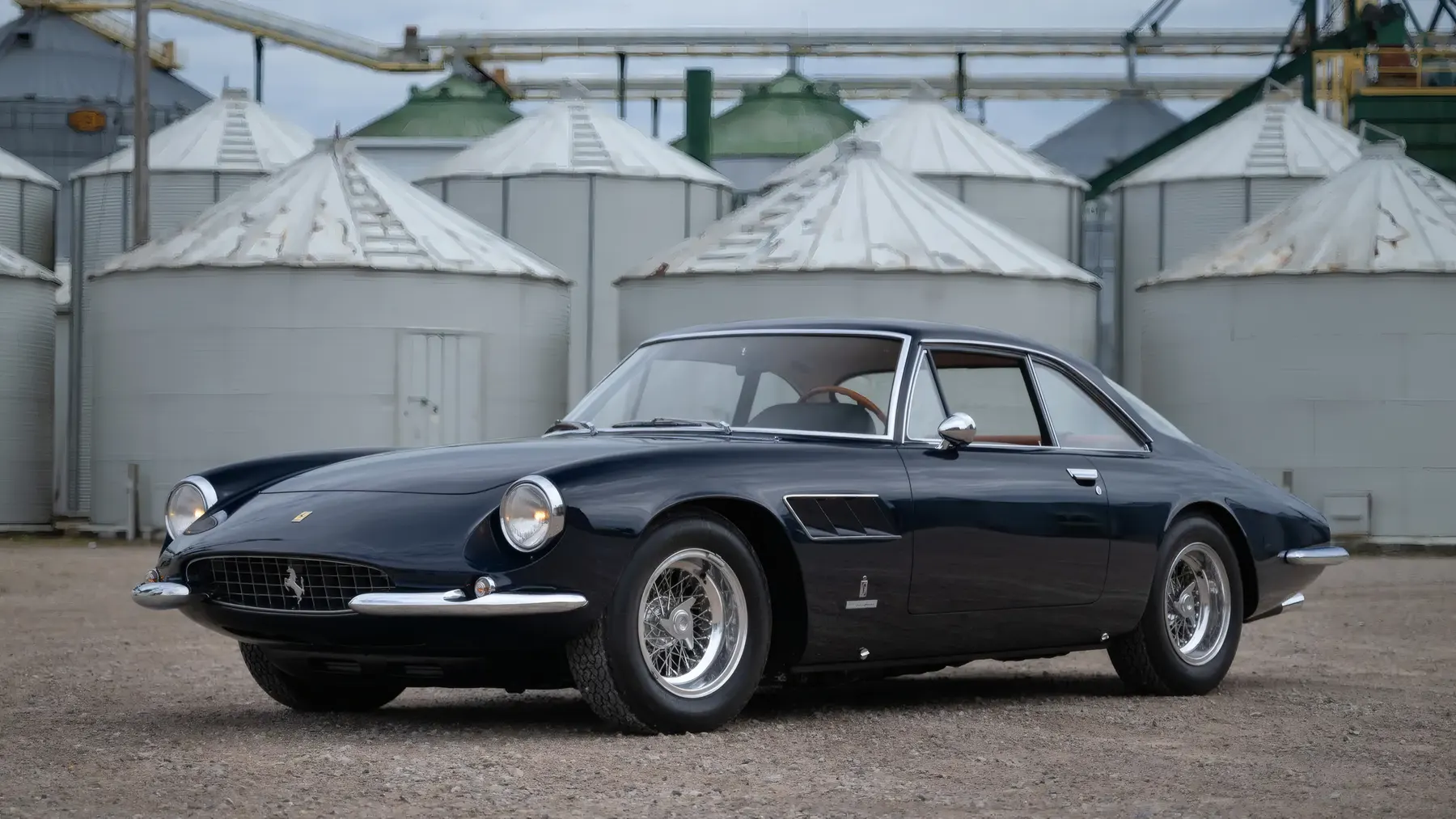
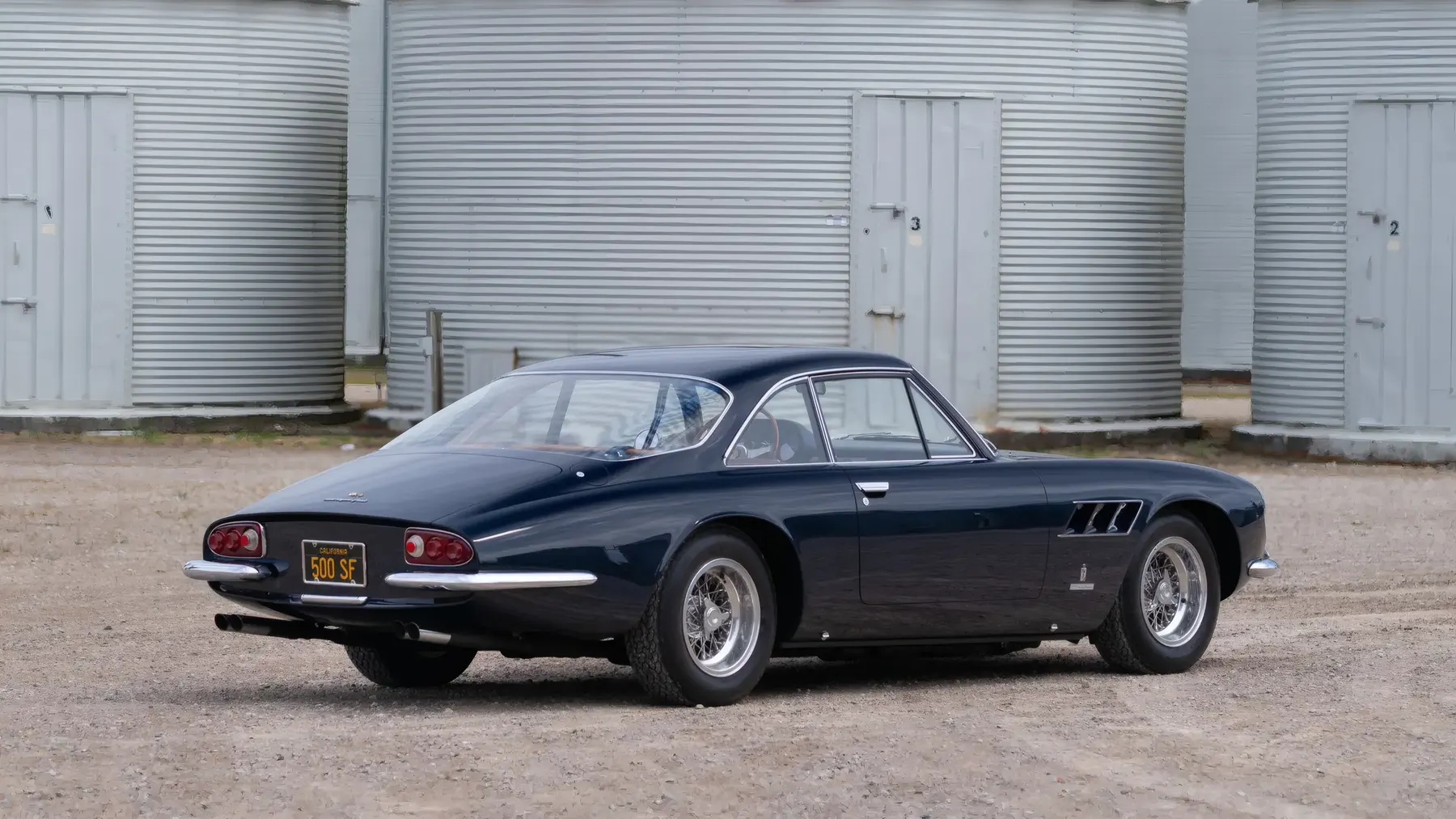
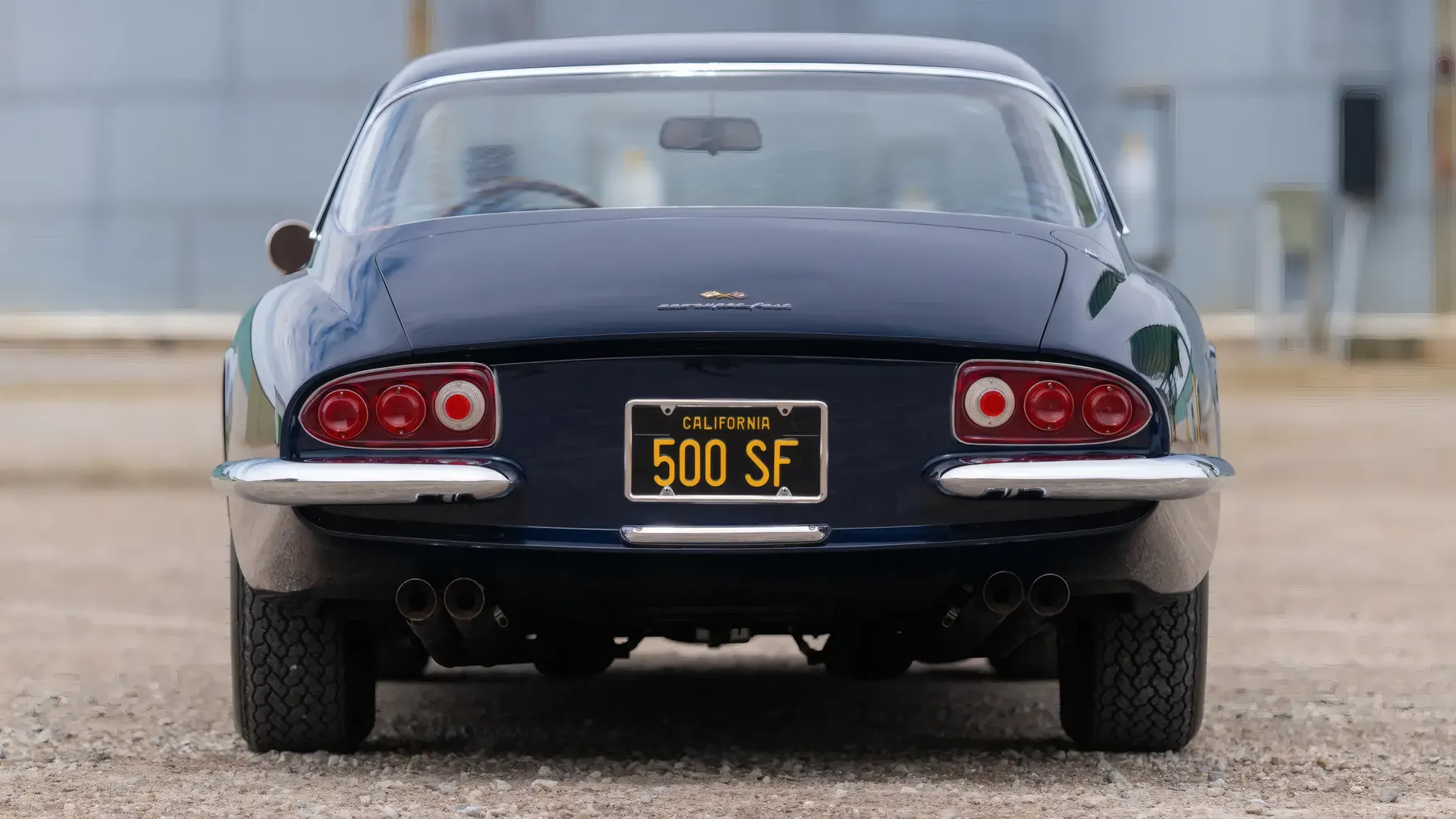
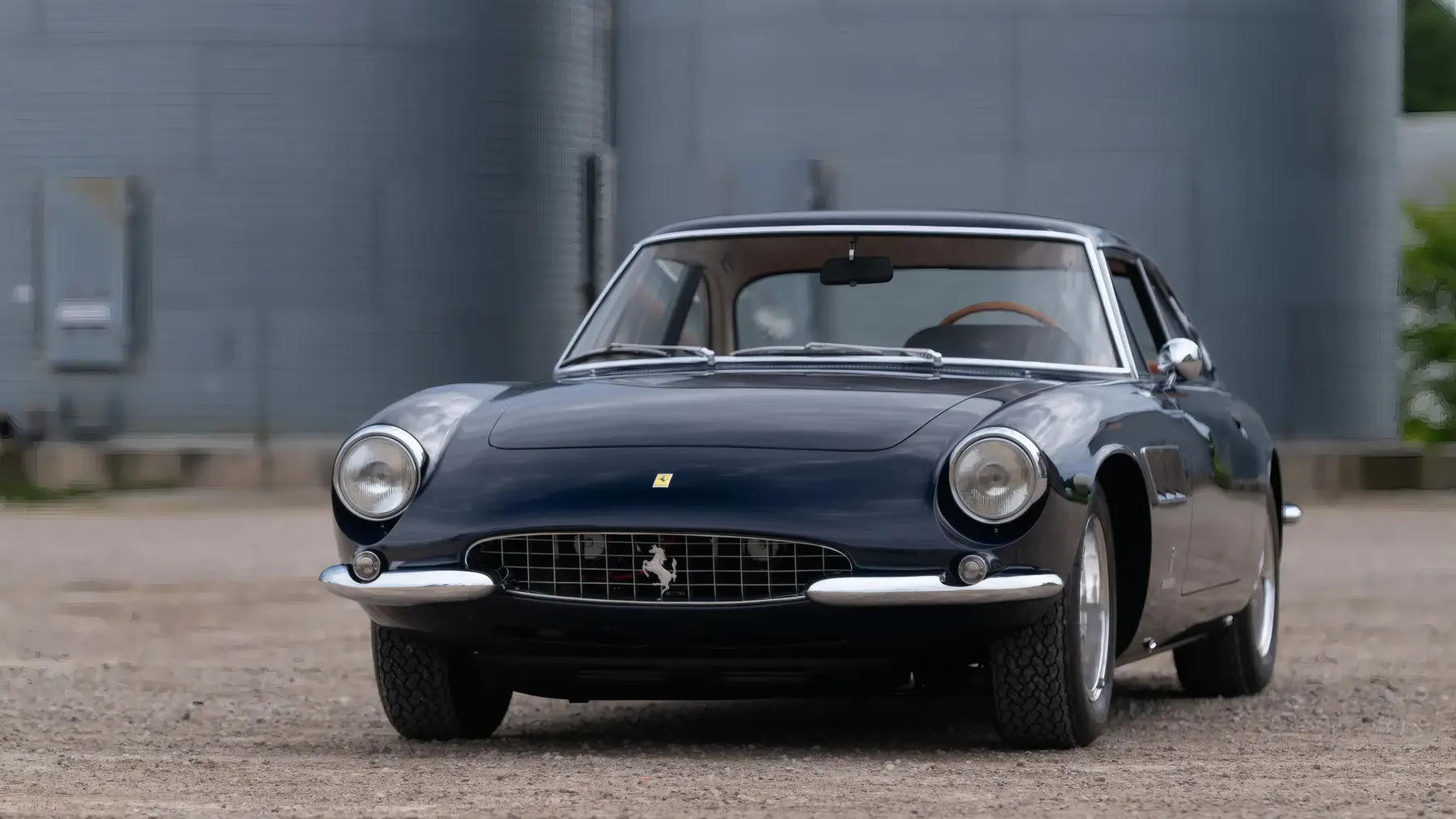
The car arrived at the 1964 Geneva Motor Show as the successor to the 400 Superamerica, taking over the role of Ferrari’s ultimate road-going grand tourer. Where the 400 SA’s Coupé Aerodinamico body had softened Ferrari’s flagship into something closer to a jet-age concept car, the 500 Superfast refined that shape further: a long, sweeping bonnet running into a slim-pillared glasshouse, a wraparound rear screen flowing into a neat, shallow Kamm tail, and horizontal bullet taillights with three individual lenses per side that appeared on no other Ferrari. Pininfarina retained the elliptical grille and recessed headlamp treatment of its predecessor but cleaned up the flanks, removed the side moulding, and reworked the front wing vents. Wire wheels - Borrani 7L x 15-inch items - were fitted throughout the production run, a deliberately old-world touch at a moment when Ferrari’s mainstream road cars were already migrating to cast alloys.
The Superfast’s roots run deeper than its immediate predecessor. Ferrari’s line of flagship coupés began in 1955 with the first Superamerica models, built at barely more than one car a month and, in 1956 and 1957, at an even slower trickle of just five cars a year. The shape that would eventually define the Superfast first appeared in a different guise entirely: a startlingly aerodynamic 1960 Pininfarina show car for the Turin motor show, with pop-up headlamps and part-enclosed rear wheels, which went through several rounds of revision before reaching production as the 400 Superamerica. Even that car sold in minute numbers - only 19 had left the factory by the end of 1963 - to a clientele that included several European counts, American casino magnate William Harrah, a member of the Bloomingdale retailing family, and a Rockefeller. The 500 Superfast inherited both this rarefied client list and this glacial production pace, but pushed the formula about as far as Ferrari could take it before the economics of building cars almost one at a time finally caught up with the model.
Underneath that Pininfarina bodywork sat a genuinely unusual engine, built specifically for this one model. The Tipo 208 V12 displaced 4,963cc, and its name - 500, for five litres - broke with Ferrari’s usual habit of naming cars after a single cylinder’s capacity. The block combined the wide 108mm bore spacing of Aurelio Lampredi’s “long block” racing-derived V12 with cylinder heads based on Gioacchino Colombo’s shorter, lighter production design, reportedly worked out by Colombo himself for this application. Breathing through three Weber 40DCZ/6 carburettors and topped by hemispherical combustion chambers with a single overhead camshaft per bank, it was officially rated at 400 bhp at 6,500rpm and 350 lb-ft of torque at 4,750rpm, though a contemporary British road test logged output closer to 394 bhp - a reminder that period Ferrari power figures were rarely gospel. Marque historian Hans Tanner rated it among the most potent Ferrari GT engines built to that point, and on paper it made the Superfast around 20mph faster than Jaguar’s already quick E-type.
The chassis told a more prosaic story. Ferrari built the Superfast on its Tipo 578 tubular steel frame, essentially shared with the concurrent 330 GT 2+2 and carrying over the 400 Superamerica’s 2,650mm wheelbase. Up front sat coil-sprung double wishbones and an anti-roll bar; at the rear, a semi-elliptic leaf-sprung live axle located by radius arms - a genuinely dated arrangement for a car pitched as the pinnacle of the range, and one that shaped how the Superfast actually drove. Four-wheel Dunlop disc brakes, split into separate front and rear hydraulic circuits, provided the stopping power, while power steering and power windows were offered as options rather than standard fitment.
Production ran to two distinct batches. The first series, numbering in most accounts either 24 or 25 cars depending on the source, used a four-speed gearbox with an overdrive top ratio carried over from the 400 Superamerica, along with an 11-slot louvre treatment ventilating the front wing engine bays. A second series of 12 cars followed in 1966, distinguished chiefly by a proper five-speed, all-synchromesh gearbox and a redesigned three-louvre vent, the same style later used on the 330 GT 2+2 and 275 GTS. Because every Superfast was built to individual order rather than off a fixed production line, the line between the two series was not always clean - specialist auction houses have noted that at least one late “Series I” car left the factory with the five-speed gearbox and three-vent bodywork usually associated with Series II, meaning the labels are a useful shorthand rather than a strict technical boundary. Total production across both series is most commonly given as 36 cars in the chassis sequence 05951SF to 08897SF, though a number of reputable sources round the figure to 37, likely folding in a one-off Superfast-bodied 330 GT 2+2 built for Prince Bernhard of the Netherlands that Ferrari’s own records treat as a separate, non-Superfast commission. Eight cars, across both series, were built in right-hand drive.
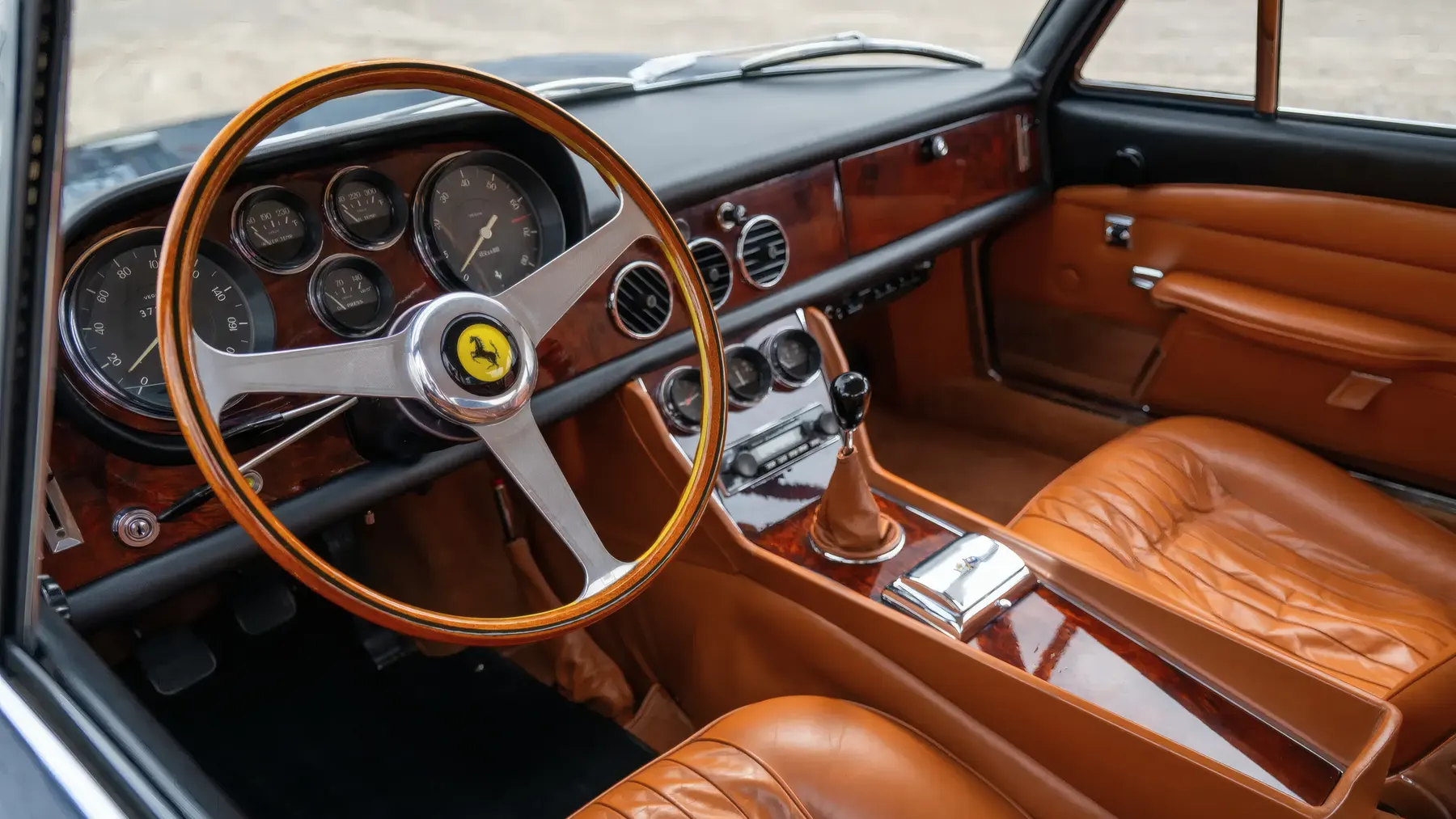
Inside, the Superfast leaned hard into its role as what period commentary called a four-wheeled five-star hotel. The dashboard and centre console wore a teak veneer - modest by the standards of a contemporary luxury saloon, arguably less finely finished than the wood trim in a humble Triumph Herald of the same era, but a novelty on a Ferrari - while a lengthened console added a padded centre armrest and angled the minor gauges toward the driver. Air conditioning, power windows, and a pair of occasional rear seats were all available to special order in place of the standard rear luggage deck, though the sloping roofline left so little headroom aft that the space suited small children, or luggage, far better than adults. The driving position was well judged for a left-hand-drive car of its period, with only a modest steering-column offset and pedals that didn’t crowd the footwell. One genuinely odd omission, noted by road testers decades later, is that the doors had no interior pull handle to close them - presumably an oversight aimed at owners who expected a valet nearby.
On the road, the Superfast revealed the tension built into its specification. The V12 spun up with a lightness that belied its capacity, and a precisely weighted throttle made heel-and-toe downshifts genuinely satisfying, with the engine happiest revving hard into its upper third rather than lugging off the torque peak. But the car’s size and weight - kerb figures across sources cluster loosely around 1,400kg, ranging from roughly 1,397kg to 1,480kg depending on how each was measured, with Ferrari’s own contemporary claims generally regarded as optimistic - became obvious the moment the road stopped running straight. Through tighter corners the Superfast telegraphed its mass through a heavy, big-movement steering wheel and noticeable body roll, its cornering line shifting perceptibly as the driver worked the throttle, and it rewarded a smooth, momentum-carrying style far more than aggressive changes of direction. Owners who have driven them at length have described a car that feels too heavy and too powerful to fully relax into, closer to a rapid express train than to the tauter, more overtly sporting 275 GTB it shared a showroom with. Braking from real speed could be a genuinely alarming experience by modern standards, even with a well-sorted example - a legitimate concern on a car whose entire reason for being was outrunning 170mph-plus claimed top speeds and, by some period accounts, clearing 100mph in second gear.
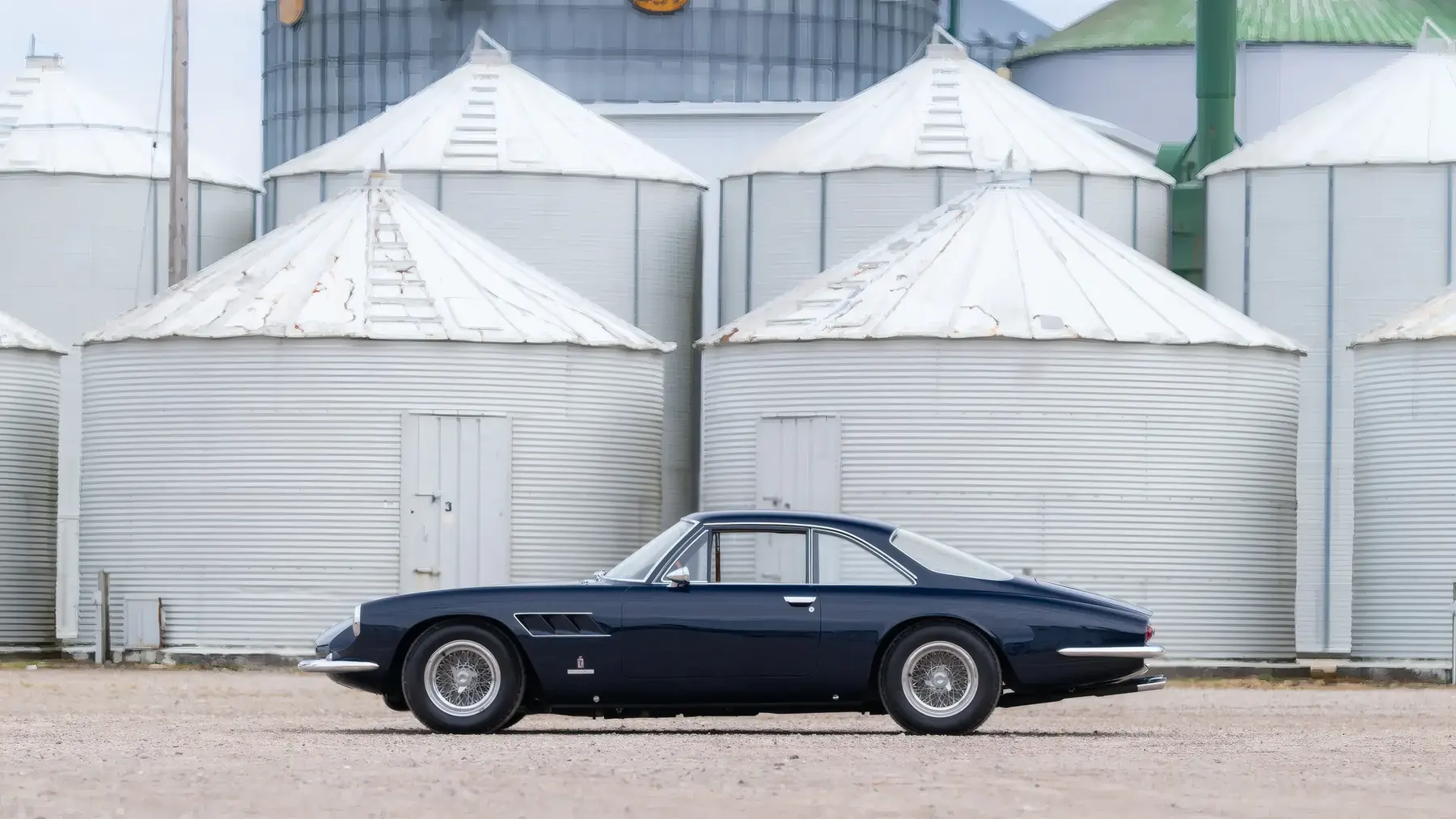
The critical case against the Superfast is not simply that it compromised outright agility for comfort - plenty of grand tourers make that trade deliberately and well. It is that the Superfast asked a genuinely enormous price, roughly double that of a contemporary Rolls-Royce and in the region of $14,000 in the United States, for a package whose most demanding buyers found dynamically wanting relative to Ferrari’s more focused berlinettas, and whose styling was not universally judged among Pininfarina’s most successful or coherent efforts for the marque. Ferrari had pitched the Superfast, at least in part, at wealthy American clientele the way it had with the America and Superamerica cars before it, and the trickle of sales - one car roughly every month, built to order - suggested there simply were not enough buyers at that price point to sustain the approach, one reason the low-volume bespoke coupé formula ended with this car rather than continuing. Ownership today compounds an inherent rarity problem: because the Tipo 208 engine and much of the specification were unique to this one model, the Superfast shares almost no mechanical parts commonality with the rest of the Ferrari range, a genuine headache for anyone maintaining one outside a small circle of marque specialists. None of this makes the Superfast a bad car by any reasonable measure - it remains staggeringly quick and imposingly beautiful for a machine of its age - but it is a car whose flaws were real, not incidental, and buyers of the era who could afford genuinely anything voted with their chequebooks in disappointingly small numbers.
Those who did buy one, though, formed as glamorous a client list as Ferrari has ever assembled. The Shah of Iran bought two within four months of the car’s 1965 introduction. Peter Sellers, the Aga Khan, and Woolworth heiress Barbara Hutton all owned examples, and Prince Bernhard of the Netherlands commissioned his Superfast-bodied 330 GT rather than go without. Period brochures undersold all of this, presenting the Superfast as little more than the final page of a modest, unillustrated leaflet alongside the 275 GT Spyder, 275 GT Berlinetta, and 330 GT 2+2 - as if Ferrari itself understood that this was a car sold on reputation and word of mouth among the very rich, not on advertising.
The Superfast’s story ends where Ferrari’s low-volume coachbuilt flagship tradition ends. What followed, the 365 California, was a less powerful, less bespoke proposition, and the marque never again built a series of hand-finished flagship coupés quite like the America-Superamerica-Superfast line. More than five decades later, Ferrari borrowed the Superfast name for its 812 Superfast V12 flagship, a car with no engineering connection to this one beyond a shared ambition to build the fastest possible front-engined Ferrari of its moment. That borrowing says something about how the original earned its reputation: not through faultless engineering, but through the unrepeatable combination of a genuinely unique engine, a Pininfarina body that still stops people in their tracks, and a client list that read like a 1960s gossip column. The 500 Superfast remains a car built at the exact point where Ferrari’s appetite for hand-built extravagance met the commercial reality that such extravagance, however desirable, could not go on forever.
Sources
- Ferrari.com - Official 500 Superfast Heritage Page
- RM Sotheby’s - 1966 Ferrari 500 Superfast Series II, Monterey 2024
- RM Sotheby’s - 1966 Ferrari 500 Superfast Series II, Arizona 2023
- RM Sotheby’s - 1966 Ferrari 500 Superfast Series II, Ferrari Leggenda e Passione 2017
- RM Sotheby’s - 1964 Ferrari 500 Superfast Series I, Cavallino Palm Beach
- Bonhams - 1966 Ferrari 500 Superfast Series II Coupé
- evo - Ferrari 500 Superfast: Review, History and Specs
- Honest John Classics - Ferrari 500 Superfast (1964–1966) Review
- TopSpeed - 1966 Ferrari 500 Superfast by Pininfarina
- Sports Car Bible - Ferrari 500 Superfast
- Premier Financial Services - Model Masterpiece: Ferrari 500 Superfast
- Gallery Aaldering - Ferrari 500 Superfast 1964
- RMW - Ferrari 500 Superfast Series II by Pininfarina
Join the discussion
Comments
Loading comments…
Leave a comment
Share a detail, memory, or perspective. Every comment is reviewed before publication.