2002 Rolls-Royce Corniche V

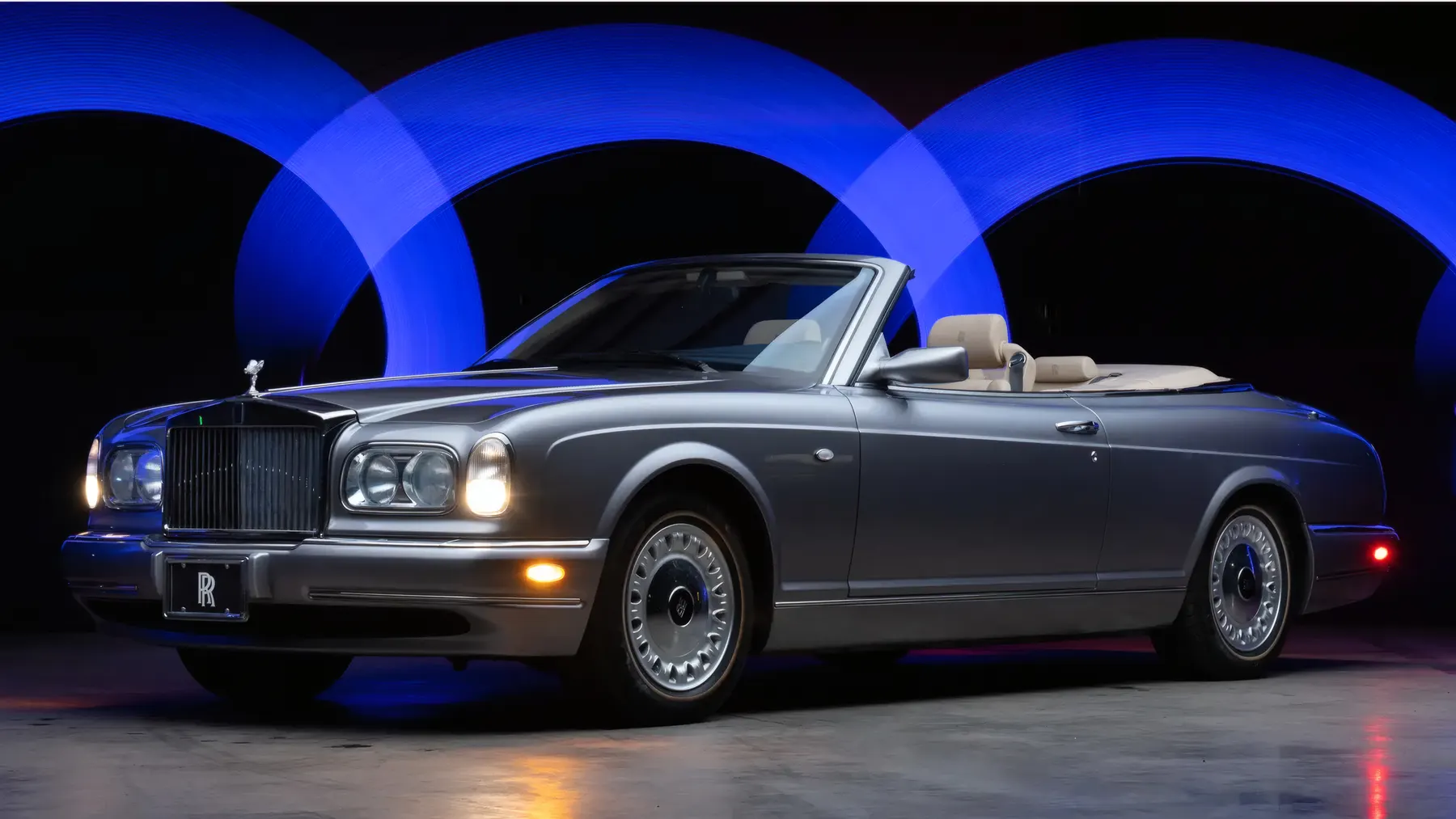
When Rolls-Royce’s Crewe factory shut its gates on a Rolls-Royce-badged car for the last time on 30 August 2002, the car rolling off the line was a Corniche V - and the circularity of that moment deserves more reflection than it usually gets. This was not just the end of a model run; it was the closing chapter of an entire era of coachbuilt British luxury, the last convertible Rolls-Royce hand-assembled in the SZ tradition. That the nameplate survived into the twenty-first century at all was an act of considerable corporate will - and, in hindsight, an oddly poignant one.
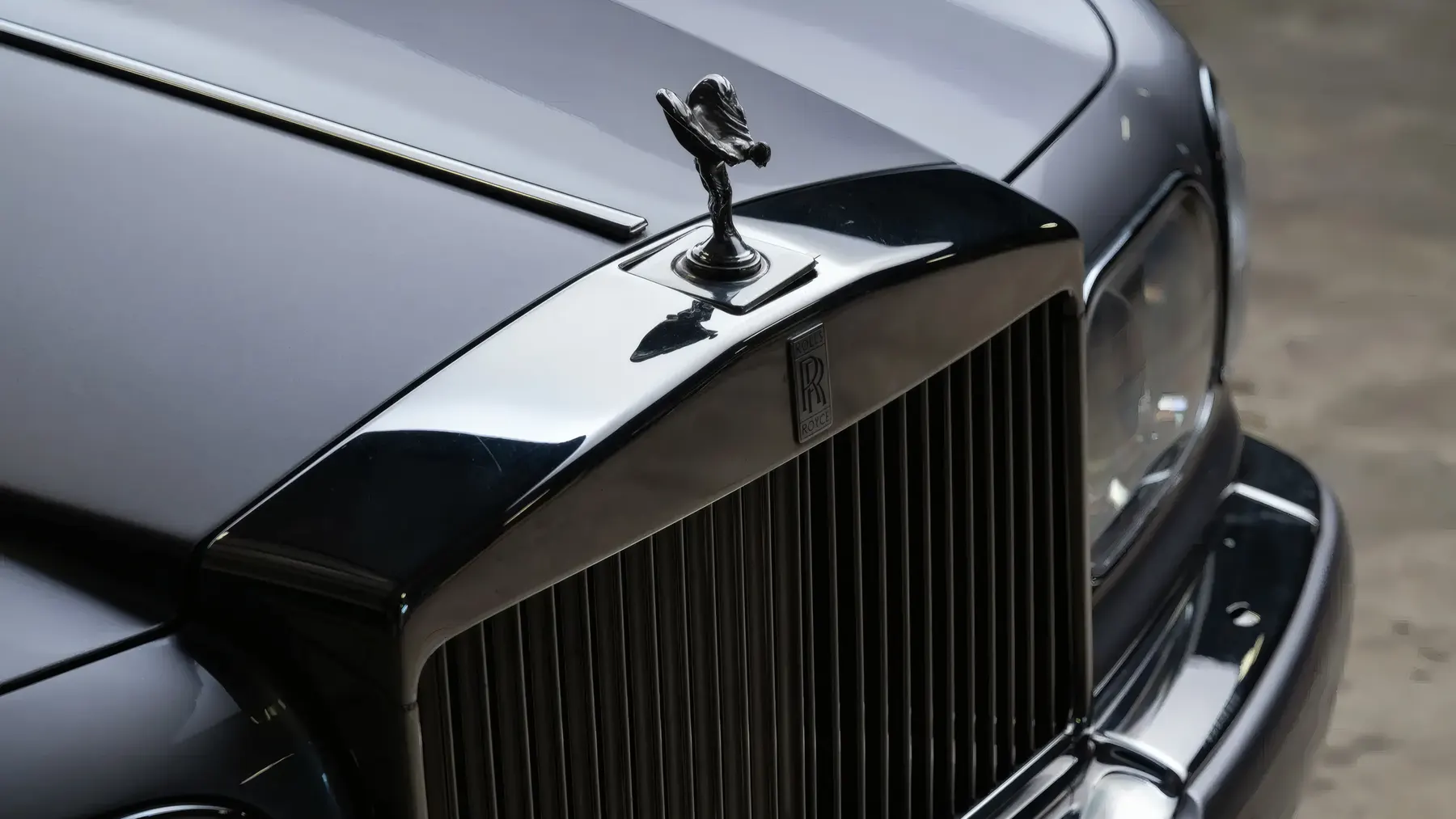
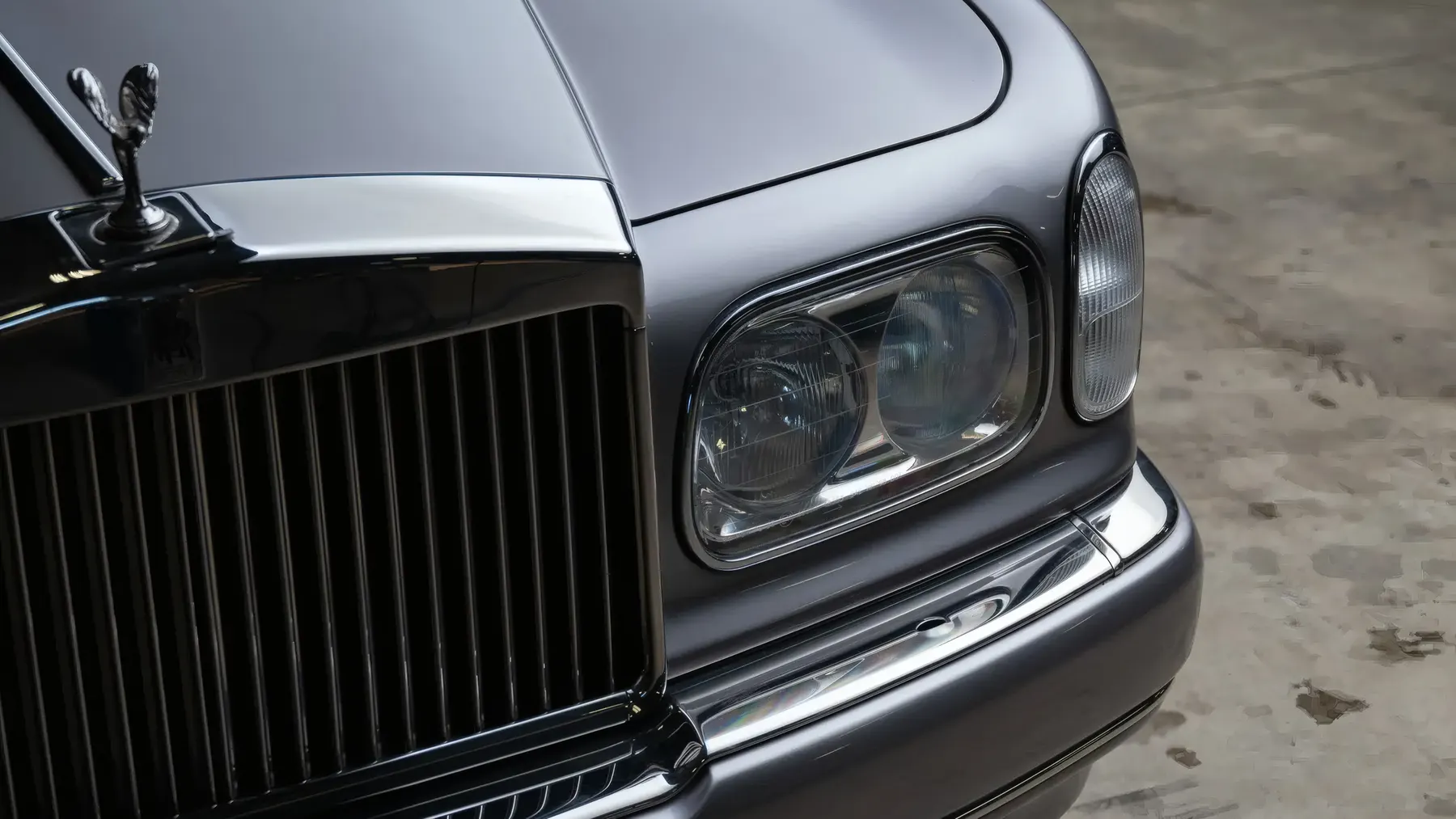
The Corniche name had been in continuous or near-continuous use since 1971, worn by a succession of two-door cars - first as coupé and convertible, then as convertible alone - all drawing from the Silver Shadow’s bloodline. The Corniche V, debuting at the January 2000 motor show season, broke that lineage in one significant respect: it was the only Corniche developed from a Bentley rather than the reverse. Rolls-Royce’s engineers took the Bentley Azure’s SZ platform as their starting point, clothed it in all-new sheetmetal penned by Graham Hull that deliberately echoed the contemporary Silver Seraph saloon, and produced something that was architecturally a Bentley but aesthetically and philosophically entirely Rolls-Royce. It was the first and only time in the marque’s history that the lineage ran in that direction, a fact that still raises eyebrows among purists.
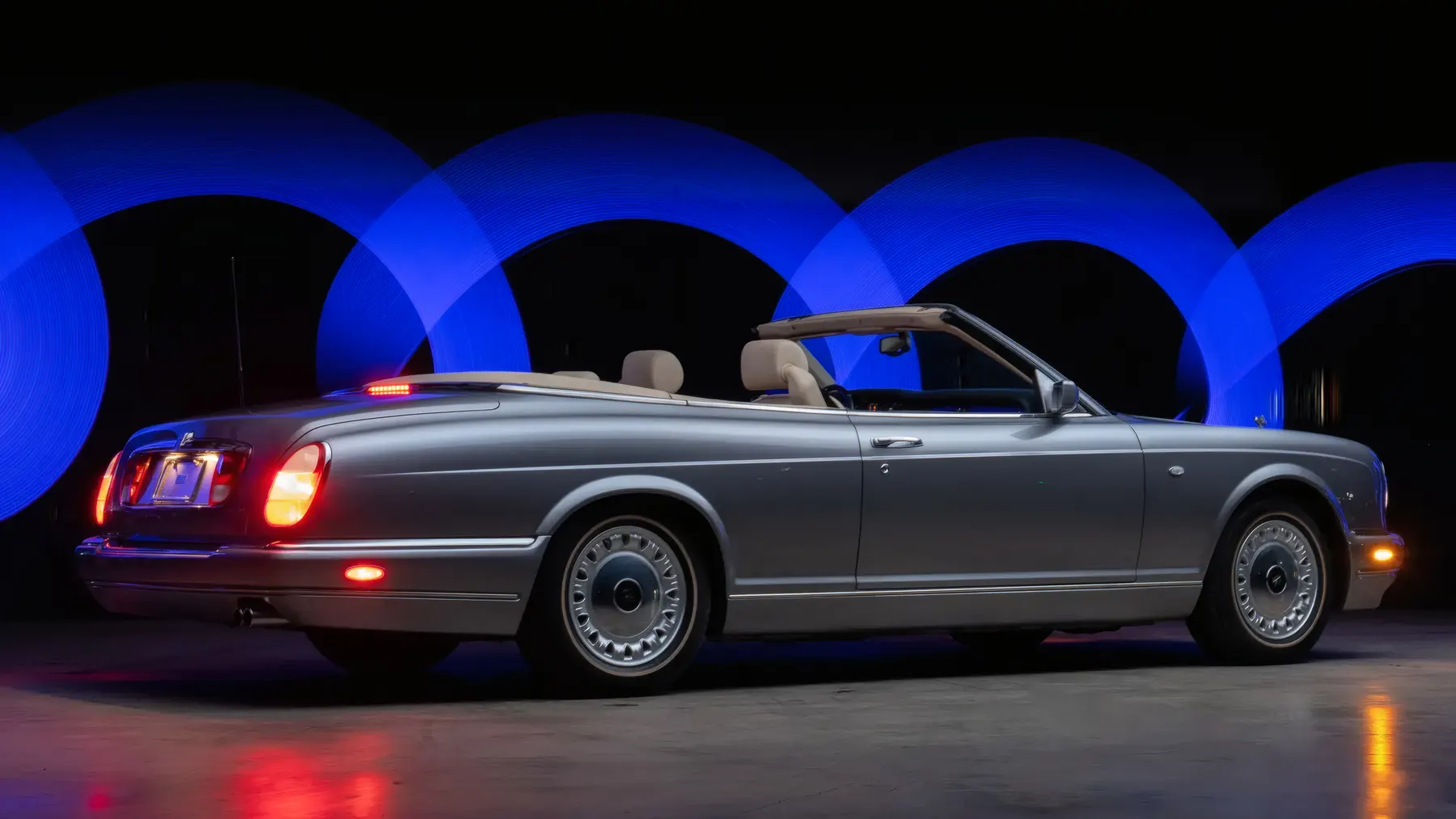
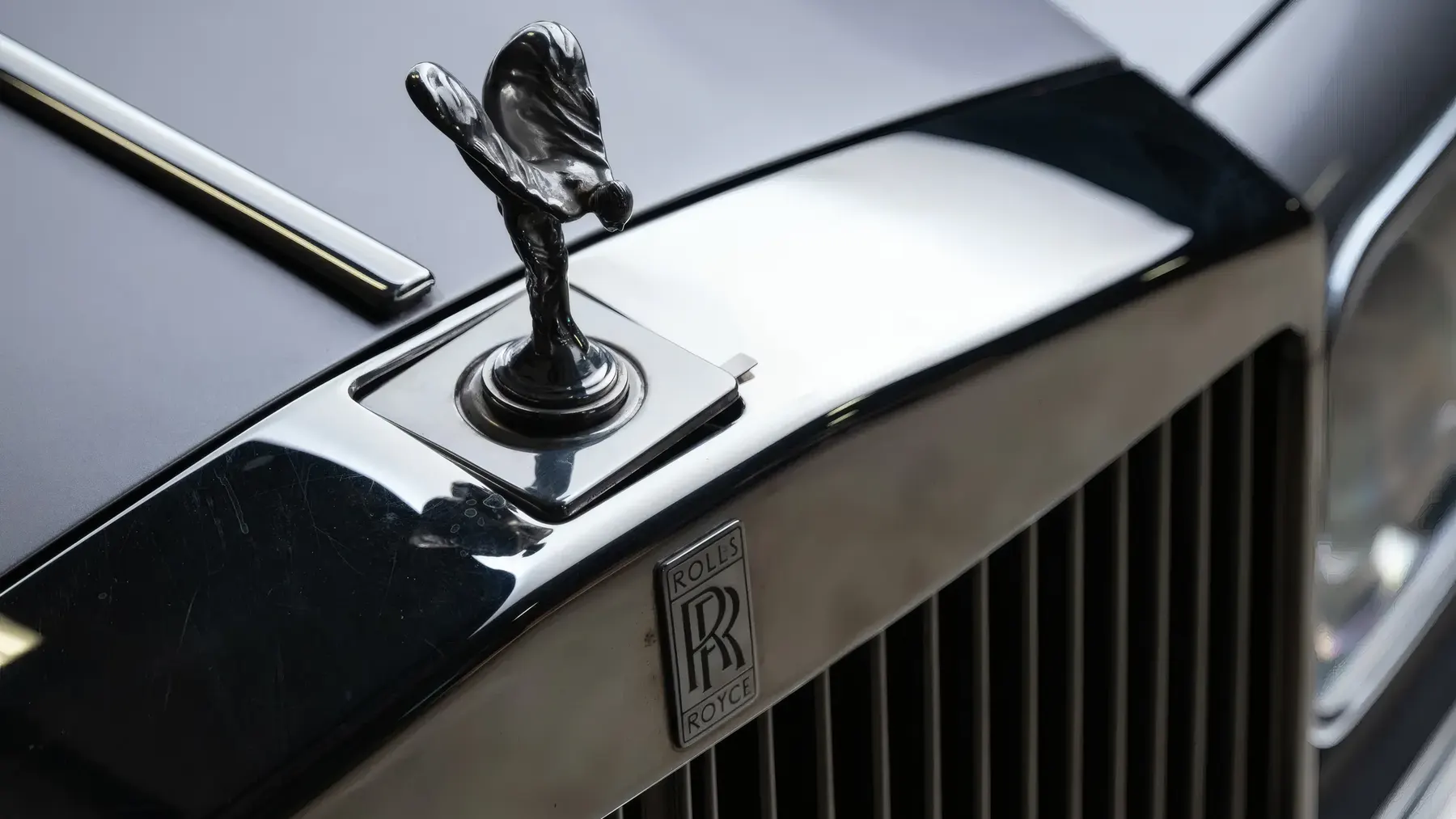
At its launch, the Corniche V was Rolls-Royce’s most expensive and most visible model, priced at $359,900 - the unambiguous flagship of the range. Only 384 were built across the production run from 1999 to 2002, with output peaking in the year 2000 at 250 cars before tapering sharply. Towards the end, Rolls-Royce planned a commemorative “Final Series” limited run of 56 cars - the number chosen to reflect the years Rolls-Royce had been building cars at Crewe - though ultimately only 45 were completed. These cars carried fender badges reading “Rolls-Royce Cars, Crewe, England” with a Union Jack insignia, chromed mirror housings, Spirit of Ecstasy hubcaps, and individually numbered plaques on the centre console. The very last car off the line received additional bespoke touches: a “Century of Excellence” plaque in place of the numbered one, and treadplates inscribed with the words “The Final Rolls-Royce Corniche.”
The engineering at the heart of the Corniche V is the familiar 6,750cc Rolls-Royce V8, a unit so long-lived it had powered every Corniche since 1971 - but here given a meaningful evolutionary step. Where earlier Corniches had relied on naturally aspirated breathing, the fifth generation inherited turbocharged induction from the Bentley Azure, making it the first Corniche to carry a turbocharger as standard equipment. Crucially, Rolls-Royce tuned it very differently from Bentley’s approach: a low-pressure turbocharger without an intercooler was used, prioritising smoothness and the elimination of lag over headline power figures. The result was 325 bhp at 4,000rpm and - more significantly - 544 lb-ft of torque arriving between 2,100 and 2,300rpm, a torque curve so broad and low-sited that it barely registers as a surge at all. Drive was sent through a GM 4L80-E four-speed automatic with a final drive ratio of 2.69:1. The exhaust note and engine management system were further calibrated to be more subdued than the equivalent Bentley setup - a detail that tells you everything about the philosophical gap between the two badges.
The chassis refinements over the Azure donor were meaningful. Rolls-Royce added adaptive damping that adjusted stiffness continuously in response to road conditions, supplemented by Citroën-derived hydraulic self-levelling suspension at the rear. The structure itself was reinforced to compensate for the absent fixed roof and to carry the additional sound deadening that the Corniche specification demanded. The roof - genuinely one of the most technically interesting details of the car - was the first Rolls-Royce soft-top to fold completely into the body, disappearing beneath a flush lid rather than sitting in a visible stack. It is the kind of feature that costs far more to engineer than buyers consciously appreciate, but that absolutely defines the car’s visual cleanliness with the hood lowered.
Inside, the Corniche V was every inch a Crewe product. Connolly leather throughout, Wilton wool carpets, lambswool rugs, an eight-speaker audio system, dual-zone automatic climate control, and two-stage heated seats front and rear. Dashboard and door cappings offered a wide choice of exotic wood veneer, with chrome-ringed gauges that felt deliberately antique against the car’s relatively modern platform. The kerb weight came to 2,736 kg - a figure that numbers among the heaviest production cars of its era and speaks directly to just how much material had been layered into the structure in the name of refinement.
On the road, the Corniche V is emphatically not about urgency. The 0–60 mph time of approximately 8.0 seconds and a top speed of 133 mph are adequate - respectably so given the mass - but entirely beside the point. The 544 lb-ft arrives so early and so gradually that what you experience is less acceleration and more a stately, irresistible gathering of momentum. There is no drama, no shove, no noise to speak of. Nathan Chadwick of Hagerty, who drove one, described the sensation as “a bit like having a cockpit-camera TV view of powerboat racing, only with the sound off” - which is as accurate a summary as you are likely to find. The adaptive suspension keeps the body composed without ever becoming firm, and the sheer size of the car requires a different mental register from the driver; you are managing something closer to a river barge than a sports car, and the sooner you accept that, the more you enjoy it.
The Corniche V’s genuine strengths are concentrated in what it does for its occupants rather than what it does to the road. The NVH suppression is extraordinary - the reinforced convertible structure and layers of sound deadening produce a cabin that is quieter than many saloons with their roofs in place. The folding roof mechanism, flush and seamless when stowed, gives the open car a cleanness of line that contemporary rivals - including the Azure itself - couldn’t match. And the breadth of the torque band means that the car always feels effortlessly adequate, never strained, never hurried.
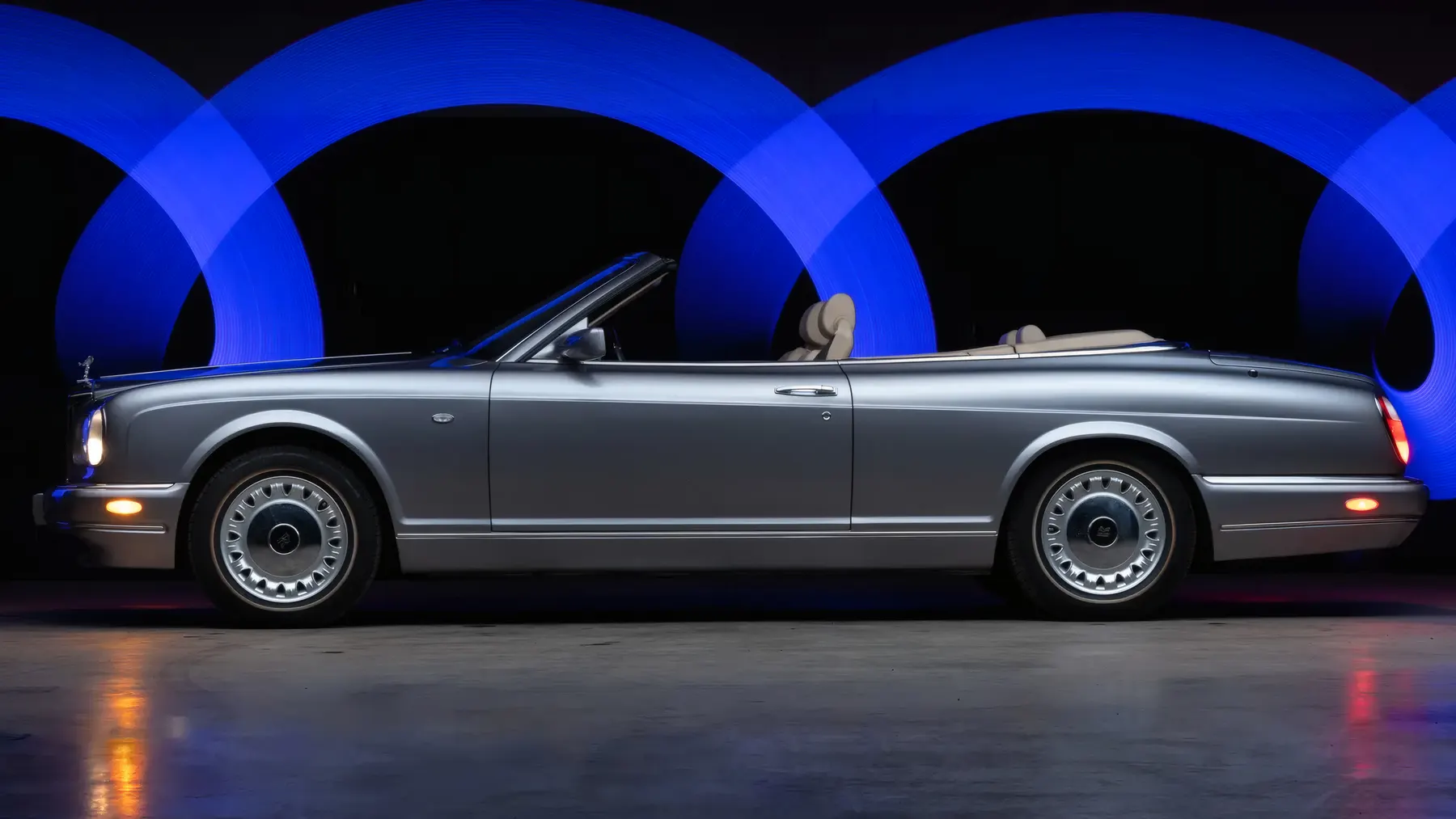
The compromises, however, are equally real. At 2,736 kg, the Corniche V was absurdly heavy, and the four-speed automatic - adequate in 2000 - felt dated against contemporaries even at launch. The platform itself was by then already aged: the SZ architecture originated in the early 1980s, and despite the suspension revisions, the basic structure had been in service for two decades by the time the last Corniche rolled out. The relationship between Rolls-Royce and Volkswagen, under whose ownership the Corniche V was developed and launched, was also inherently transitory - both parties knew BMW was taking over the marque, which inevitably curtailed any ambition for a longer-term product strategy. The Corniche V was, in Hagerty’s phrase, a Rolls-Royce without a role: too late to anchor an established line, too soon to belong to the BMW era that followed.
The critical and public reception was warm but complicated by context. Motoring journalists generally praised the quality of execution and acknowledged the car’s unique position as the last hand-built Corniche. But reviewers also noted that at $359,900, the Corniche V existed in a curious competitive vacuum - priced above virtually everything except bespoke coachbuilt machinery, yet not offering the performance dynamism that a Bentley Azure could provide at a lower price. The Azure, with its 420 bhp and freer-flowing exhaust, was simply quicker and, for a certain buyer, more satisfying to hustle. The Corniche’s counter-argument was exclusivity and understatement: it was the more polished, quieter, rarer car - attributes that translate into value less readily on a test drive but more permanently in retrospect.
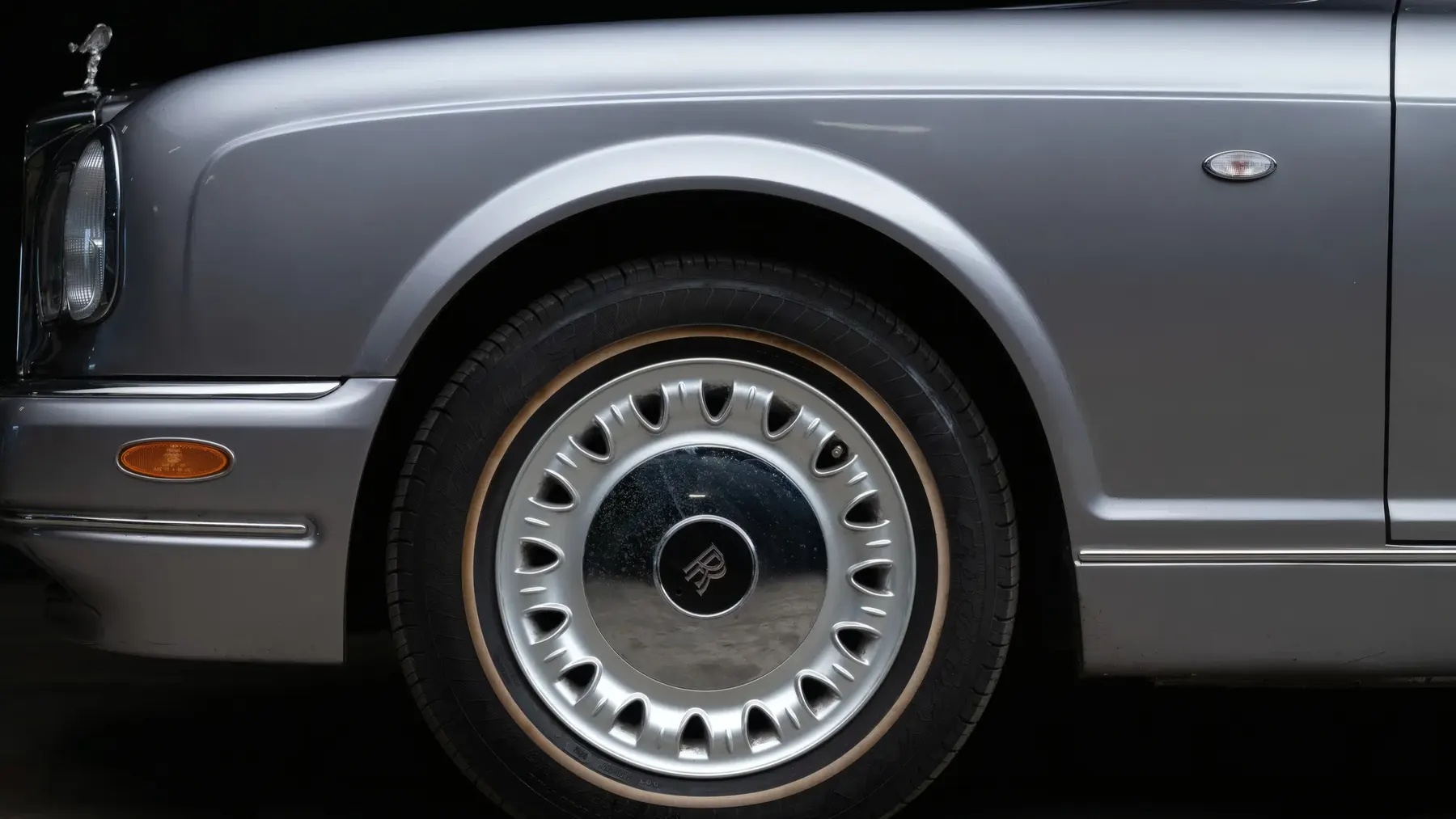
Culturally, the Corniche nameplate across all its generations occupies a particular space in the popular imagination of British luxury - a long-bonneted open car that appeared on hotel forecourts and in aspirational advertising for three decades. The Corniche V didn’t add to that cultural footprint so much as close it, arriving too late and in too small a number to generate fresh iconography. What it did was give the nameplate a technically credible final chapter: a proper adaptive chassis, a first-for-Rolls flush-folding roof, and a turbocharged engine tuned with genuine intelligence for the marque’s character.
Today, collector prices tell their own story. Hagerty’s valuation guide places fair Corniche V examples at around £53,400, good cars at approximately £72,000, excellent at £115,000, and concours examples near £135,000 - a notable premium over even the best Bentley Azures. That premium is partly scarcity and partly sentiment: buyers are paying for the last of something, for the final expression of hand-built Rolls-Royce production at Crewe before the entirely different world of Goodwood began. The BMW era that followed produced objectively more capable cars, but it produced them differently, and in that gap the Corniche V sits - imperfect, overweight, chronologically awkward, and somehow irreplaceable.
Join the discussion
Comments
Loading comments…
Leave a comment
Share a detail, memory, or perspective. Every comment is reviewed before publication.